

Überwindung der strengen Gründungs- und Genehmigungsherausforderungen in Deutschland
Warum umfangreiche Erdarbeiten den Bau des Padelplatzes verzögern
Da der Trend zu Rückschlagsportarten in Europa weiter anhält, hat sich Deutschland zu einem wichtigen Markt für Clubinvestoren entwickelt. Die Einhaltung der deutschen Bauvorschriften stellt jedoch nach wie vor eine der größten Hürden für Betreiber neuer Anlagen dar. Traditionelle Sportinfrastrukturen erfordern in der Regel dauerhafte Bodenveränderungen und eine tiefe Verankerung der Bauwerke. Die Kommunen prüfen diese irreversiblen Eingriffe in die Umwelt genauestens und führen umfangreiche architektonische und ökologische Gutachten durch. Für Clubbesitzer, die ihre Anlage noch vor der Hauptsaison im Sommer eröffnen möchten, können diese langen bürokratischen Verzögerungen beim Bau traditioneller Padelplätze zu erheblichen Umsatzeinbußen führen.
Der Vorteil der Wahl genehmigungsfreundlicher Mobildesigns
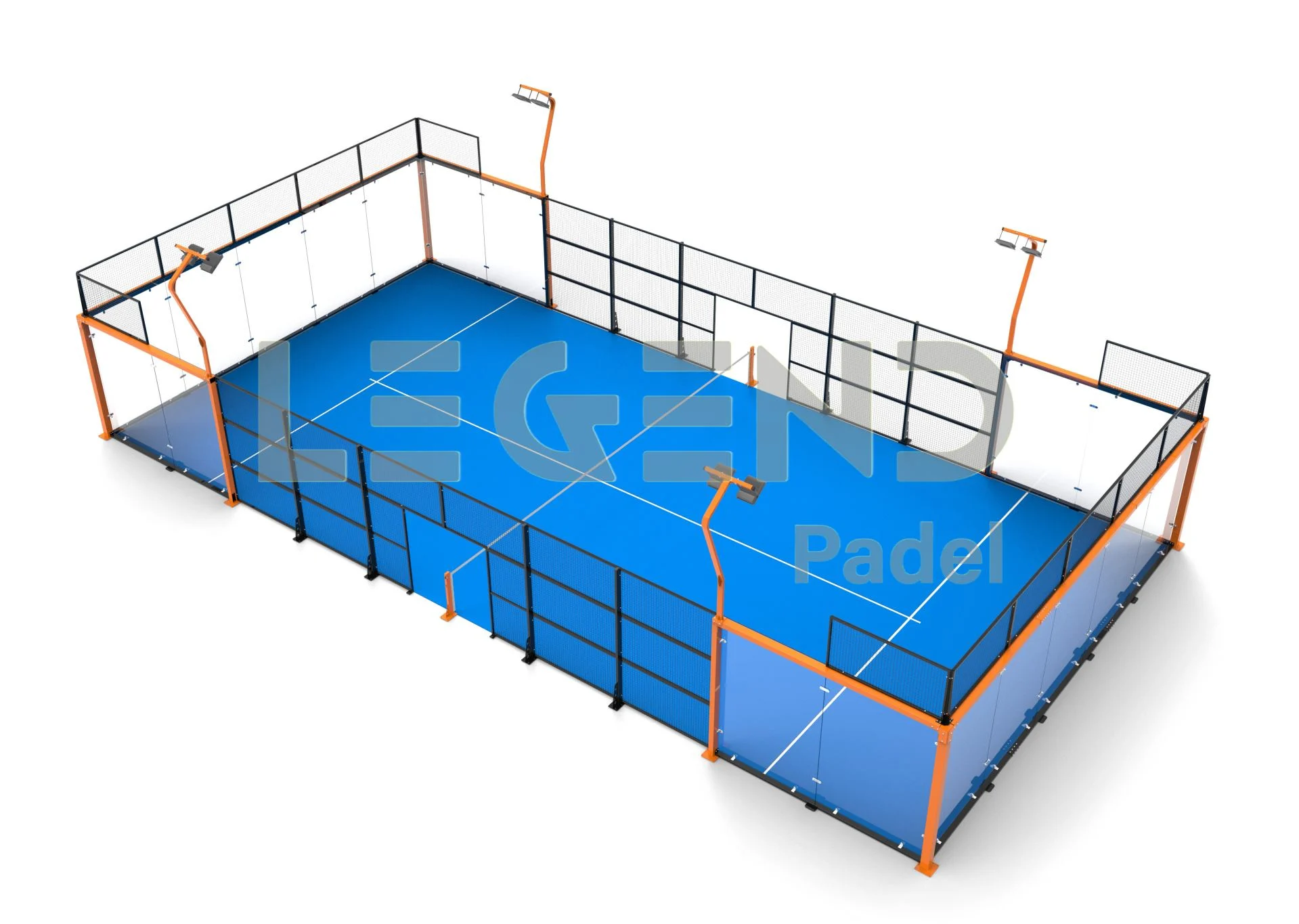
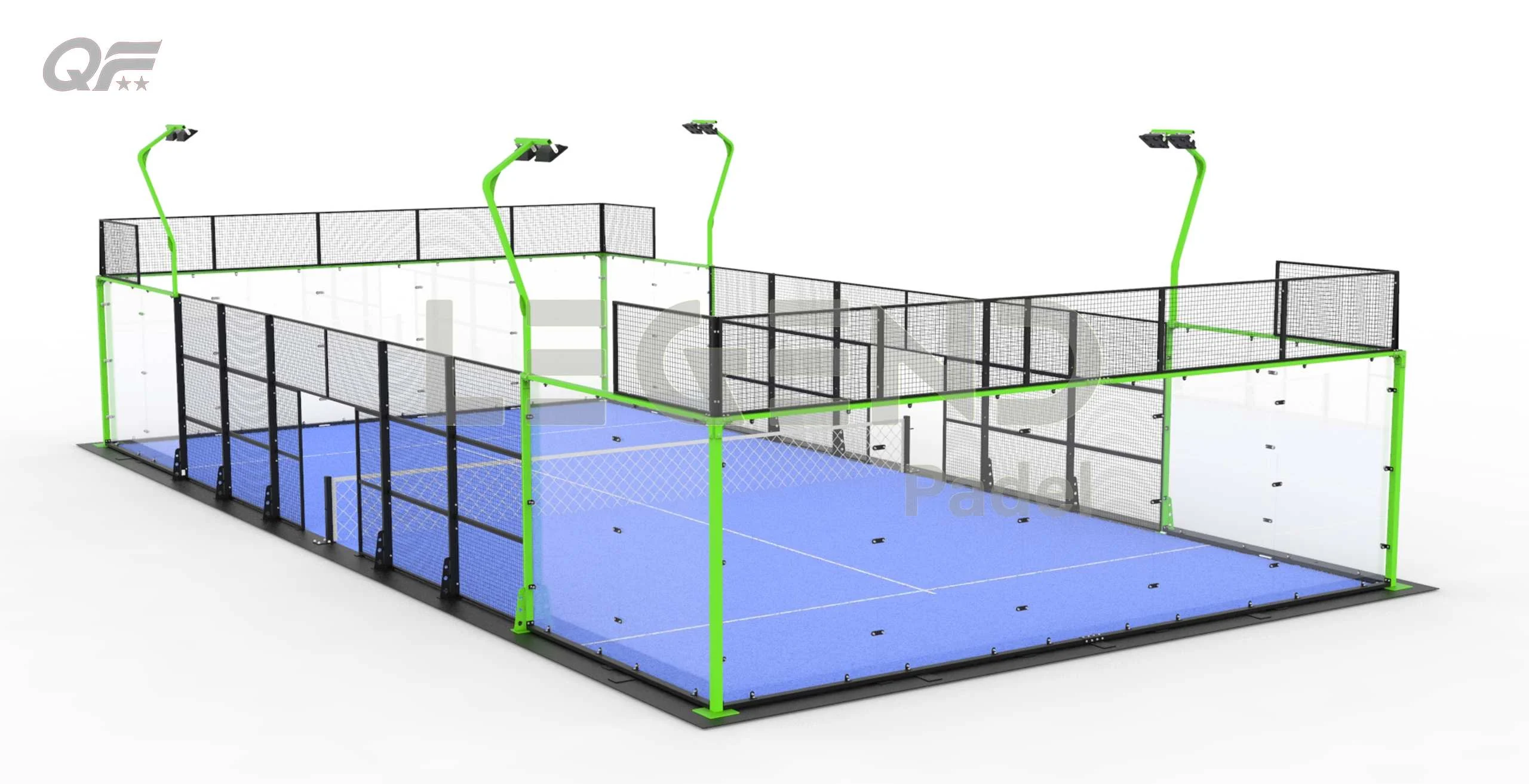
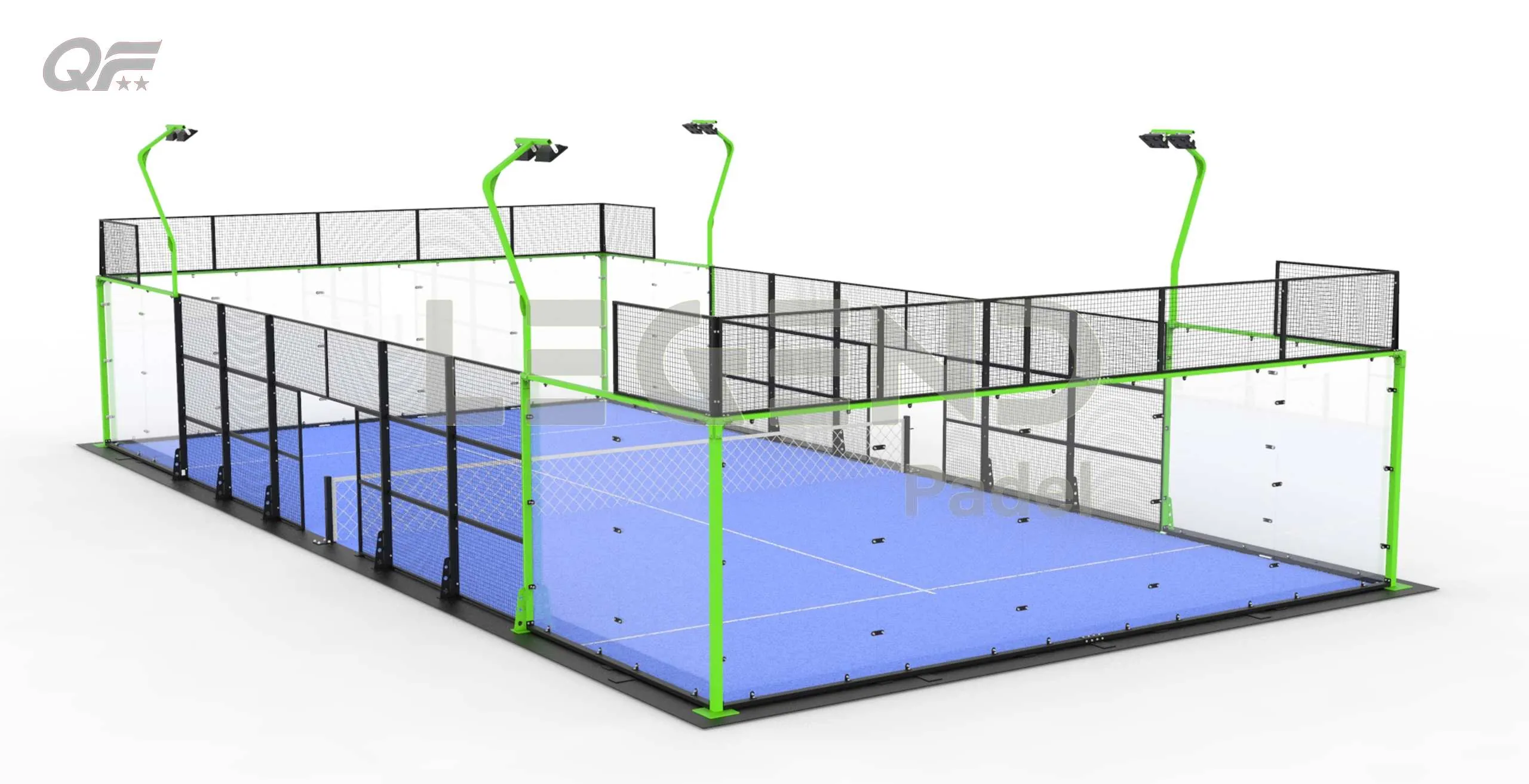
Um den bürokratischen Albtraum umfangreicher Tiefbauprojekte vollständig zu umgehen, setzen moderne Anlagenbetreiber verstärkt auf intelligente, mobile Architektur. Mobile Pro Padel Court-PD05 Das System wurde speziell für diesen Wandel entwickelt. Durch die Wahl eines vollständig versetzbaren Systems wie des PD05 können Vereine den Aufwand für die Geländevorbereitung drastisch reduzieren. Diese mobilen Strukturen gelten problemlos als temporäre Sportanlagen und unterliegen daher einem deutlich schnelleren und vereinfachten Genehmigungsverfahren der Gemeinde. Dieser flexible Ansatz ermöglicht es Investoren, gemietete Gewerbeflächen oder ungenutzte städtische Flächen ohne finanzielles Risiko einer teuren, fest installierten Anlage zu nutzen.
Anpassung Ihrer Einrichtung an die unvorhersehbaren deutschen Wetterverhältnisse
Sicherstellung einer optimalen Entwässerung während der Starkregenzeiten
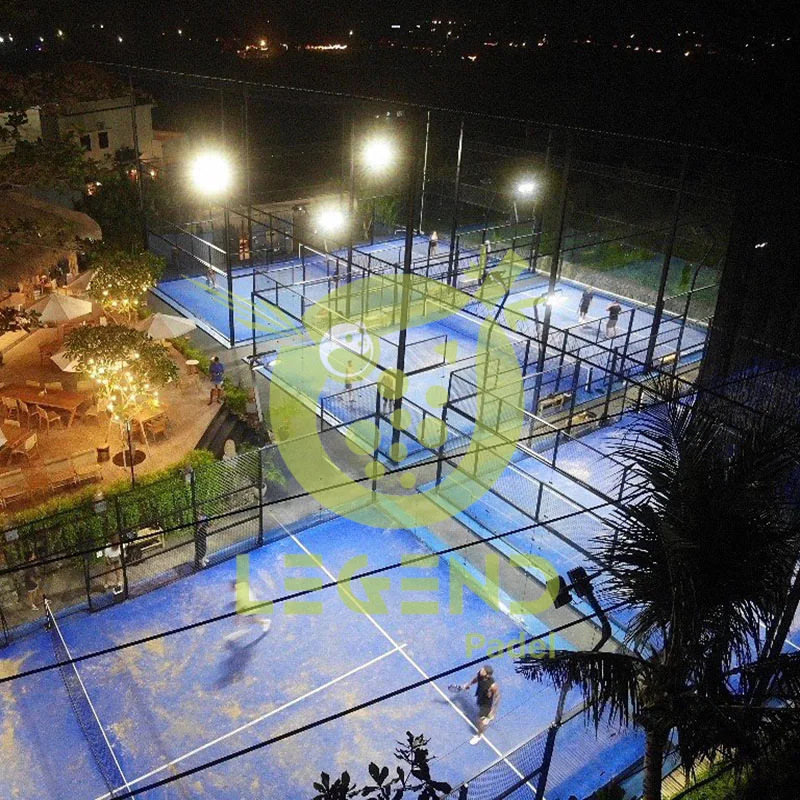
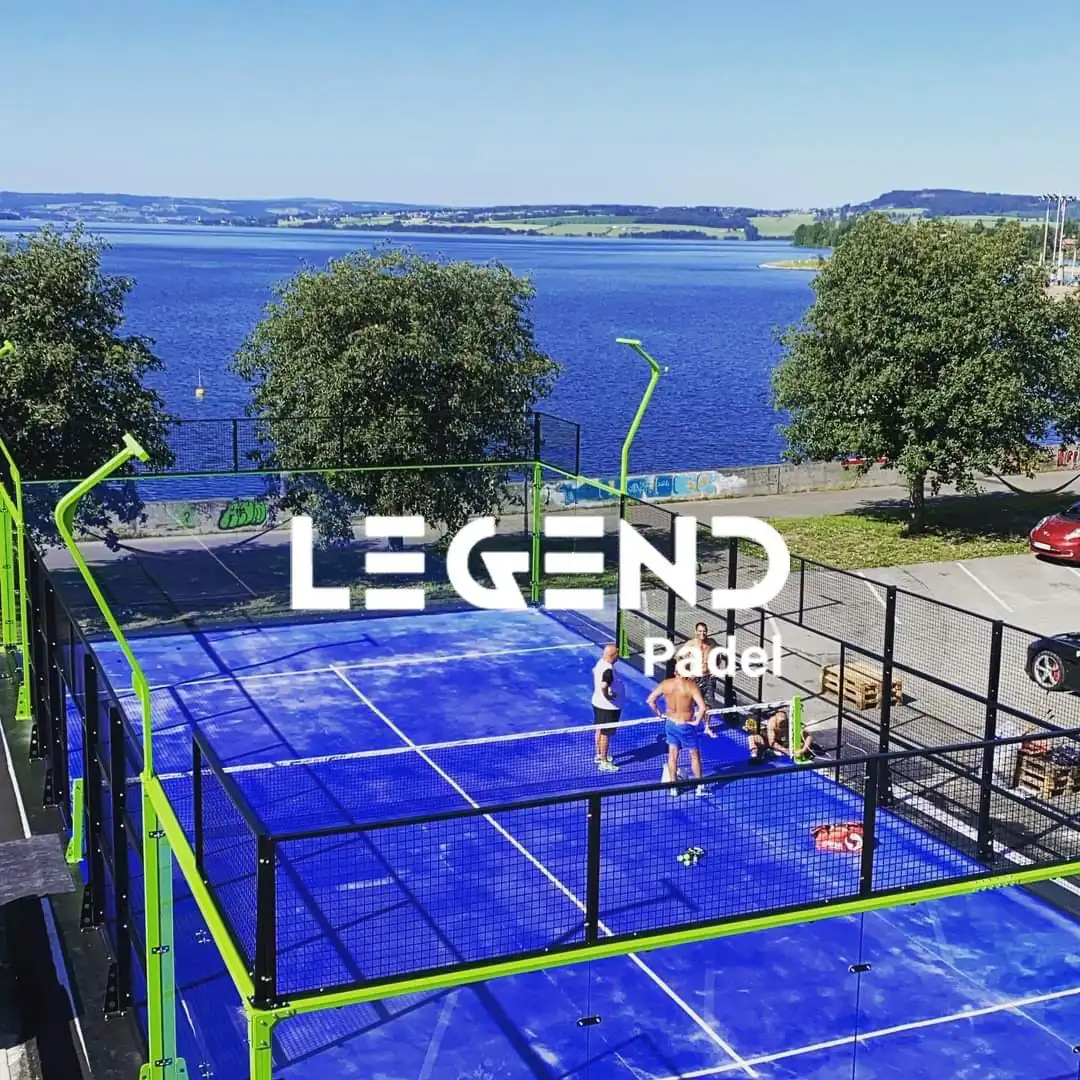
Ein Premium Gefallenes Gericht Die Spielfläche muss unabhängig von den in Nordeuropa typischen häufigen Regenschauern gleichbleibend sichere Spielbedingungen bieten. Professioneller Wetterschutz beginnt beim Fundament. Die Konstruktion muss ein präzise berechnetes Gefälle aufweisen, um sicherzustellen, dass Regenwasser schnell abfließt. So werden gefährliche Pfützen vermieden, die den Kunstrasen in Turnierqualität beschädigen oder eine erhebliche Rutschgefahr für die Sportler darstellen könnten. Ein effizientes Wassermanagement gewährleistet, dass Outdoor-Clubs ihre täglichen Belegungspläne auch in der Regenzeit aufrechterhalten können.
Ingenieurbauwerke für extreme Schnee- und Windlasten im Winter
Der deutsche Winter bringt eisige Temperaturen, starken Schneefall und heftige Windböen. Um diesen extremen Bedingungen standzuhalten, werden Modelle wie der PD05 Padel Court nach strengen europäischen Baunormen gefertigt. Wir verwenden hochleistungsfähige, feuerverzinkte Stahlrohre in Kombination mit einer professionellen elektrostatischen Pulverbeschichtung. Dieses robuste Herstellungsverfahren gewährleistet, dass die Metallkonstruktion Rost, Korrosion und extremen mechanischen Belastungen durch hohe Schneemengen zuverlässig widersteht und die Stabilität Ihrer Investition Jahr für Jahr optimal schützt.
Intelligente Akustiktechnik zur Bewältigung städtischer Lärmschutzbestimmungen
Wie Lärm und Aufprallgeräusche zu Beschwerden aus der Nachbarschaft führen
In dicht besiedelten deutschen Städten ist Lärmschutz gesetzlich vorgeschrieben. Der rhythmische, hochfrequente Schall intensiver Ballaufpralle breitet sich rasend schnell über öffentliche Plätze aus. Die Außenkonstruktion der Hallen besteht lediglich aus Glas und Drahtgeflecht, die Wände sind in der Regel aus Sicherheitsglas gefertigt. Obwohl diese transparente Bauweise den Zuschauern eine hervorragende Rundumsicht ermöglicht, reflektieren glatte, harte Oberflächen die Schallwellen. Ohne ein strategisches Akustikmanagement führen diese Echos häufig zu Beschwerden aus der Nachbarschaft und potenziellen Betriebsbeschränkungen.
Implementierung fortschrittlicher Antivibrationssysteme in Gerichtsgebäuden
Um diese akustischen Herausforderungen intelligent zu lösen, müssen innovative Lärmschutztechnologien direkt in die Gebäudestruktur integriert werden. Im Padel-Court PD05 installieren wir nahtlos hochentwickelte, stoßdämpfende Gummipads zwischen den hochfesten Stahlsäulen und den transparenten Sichtblenden, um die Resonanz der Struktur deutlich zu minimieren. Zusätzlich können optional Akustikgewebepaneele angebracht werden, um hochfrequente Stöße zu absorbieren. Diese intelligenten Antivibrationsmaßnahmen reduzieren die Lärmemissionen drastisch und tragen so zu einem ruhigeren Stadtbild bei. Vereine Sie bestehen selbst strengste kommunale Prüfungen mit Leichtigkeit.
Der Aufstieg flexibler Räume für Indoor-Padelplätze
Umgang mit Deckenhöhen und baulichen Beschränkungen in Innenräumen
Um ganzjährige Rentabilität zu gewährleisten und den unberechenbaren Witterungseinflüssen zu entgehen, ist in der Branche ein starker Trend hin zum Bau von Padel-Hallenplätzen zu beobachten. Der Internationale Padel-Verband (FIP) empfiehlt eine Mindestdeckenhöhe von 8 Metern für professionelles und uneingeschränktes Spiel. Betreiber von Padel-Hallen müssen bestehende Hallen sorgfältig prüfen, um sicherzustellen, dass sie diese wichtigen Vorgaben zur Raumhöhe erfüllen und gleichzeitig die örtlichen Brandschutzbestimmungen und die Bauvorschriften für gewerbliche Innenräume strikt einhalten.
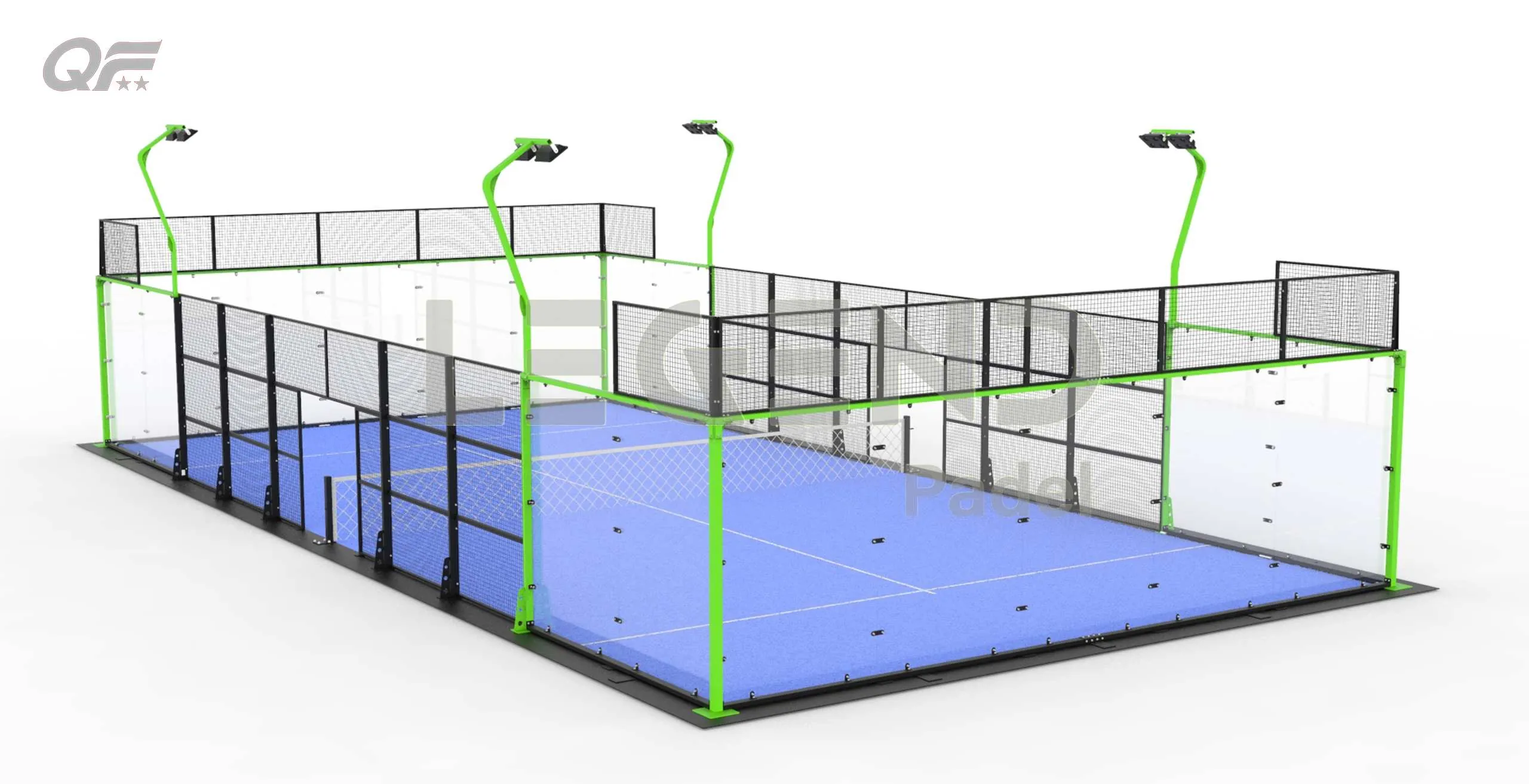
Umwandlung temporärer Lagerhallen in Sportzentren
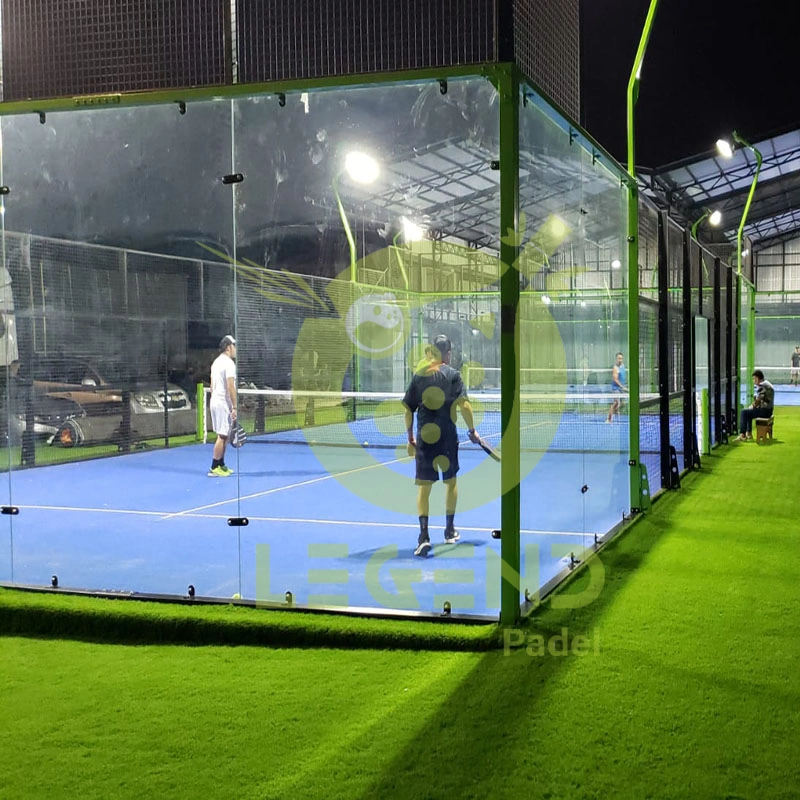
Eine wichtige Innovation, die den Boom der Hallen-Racketsportarten antreibt, ist die Umwandlung leerstehender Lagerhallen in hochwertige Sportstätten. Mithilfe modularer Systeme können clevere Investoren ungenutzte Industrieflächen schnell in lukrative Gemeinschaftszentren verwandeln. In diesen klimatisierten Umgebungen können sich die Betreiber voll und ganz auf die Verbesserung des Spielerlebnisses konzentrieren, indem sie moderne, blendfreie LED-Beleuchtungssysteme installieren, die optimale Sichtverhältnisse ohne Beeinträchtigung durch schlechtes Wetter gewährleisten.
Die perfekte Ausstattung mit individuell angepassten Padelplätzen
Passende Clubästhetik mit maßgeschneiderten Branding-Optionen
Eine moderne Sportanlage ist weit mehr als nur ein Ort zum Trainieren; sie bietet ein umfassendes Markenerlebnis. Wir sind überzeugt, dass individuell gestaltete Padelplätze lokalen Vereinen eine einzigartige visuelle Identität verleihen und so engagierte Spieler anziehen. Anlagenbetreiber können die RAL-Farben für die robuste Stahlkonstruktion passend zu ihrem Corporate Design auswählen, individuelle Kunstrasenfarben bestimmen und sogar präzise lasergeschnittene Vereinslogos direkt in die Metallkonstruktion integrieren – für ein maßgeschneidertes Finish.
Warum eine Partnerschaft mit LEGEND SPORTS den gesamten Prozess vereinfacht
Als spezialisierter Hersteller kennen wir die besonderen regulatorischen und klimatischen Herausforderungen des deutschen Marktes genau. Wir bieten Ihnen genehmigungsfreundliche Lösungen, die ohne Tiefgründung auskommen und eine sichere Montage direkt auf bestehenden ebenen Flächen ermöglichen. Bei LEGEND SPORTS übernehmen wir den gesamten Prozess für Sie. Von umfassenden, individuell angepassten Designlösungen über globale Logistik bis hin zur Montage vor Ort – unsere Premium-Konstruktionen ermöglichen Ihnen ein schnelles und sicheres Wachstum Ihres Sportgeschäfts.
FAQ (häufig gestellte Fragen)
F: Wie beeinflusst das lokale Klima die Lebensdauer einer Padelplatzanlage im Freien?
A: Die hochwertigen Konstruktionen sind speziell für extreme Witterungsbedingungen ausgelegt. Durch die Verwendung feuerverzinkter Stahlrahmen und erstklassiger elektrostatischer Pulverbeschichtungen ist die Anlage äußerst beständig gegen Korrosion, Rost und extreme UV-Strahlung. Dies gewährleistet langfristige Stabilität und sicheres Spielen auch in frostigen, feuchten Wintern.
F: Können modulare, temporäre Sportanlagen sicher verlegt werden, wenn unser gewerblicher Grundstückspachtvertrag ausläuft?
A: Ja, die unübertroffene Mobilität ist ein wesentlicher architektonischer Vorteil unserer modularen Designs, insbesondere von Modellen wie dem PD05 Padel Court. Die gesamte robuste Konstruktion, einschließlich der Sichtblenden (die Wände bestehen in der Regel aus Sicherheitsglas), lässt sich effizient demontieren, transportieren und an einem neuen Standort sicher wieder aufbauen, ohne dass die strukturelle Integrität beeinträchtigt wird.
F: Warum sind individuell gestaltete Padelplätze besonders für dicht besiedelte Wohngebiete empfehlenswert?
A: Hochgradig individualisierte Konfigurationen ermöglichen es Clubbetreibern, gezielt spezielle Akustikverbesserungen zu integrieren. Durch den strategischen Einsatz von vibrationsdämpfenden Gummimatten und Hochleistungs-Akustikgewebe tragen diese maßgeschneiderten Merkmale direkt zur Einhaltung und Minderung der strengen städtischen Lärmschutzbestimmungen in Wohngebieten bei.
F: Welche genauen Anforderungen an die Deckenhöhe gelten für den Bau professioneller Indoor-Padelplätze?
A: Um die internationalen Spielstandards strikt einzuhalten und ein optimales Sporterlebnis zu gewährleisten, sollte eine Indoor-Anlage idealerweise eine Mindestdeckenhöhe von 8 Metern aufweisen. Dieser spezifische vertikale Raum ermöglicht es fortgeschrittenen Athleten, hohe Lobs ohne strukturelle Beeinträchtigungen durch das Dach oder die Beleuchtungskörper auszuführen.
F: Entsprechen mobile Bauten noch den strengen Sicherheitsstandards, die für deutsche Bauvorschriften gelten?
A: Absolut. Hochwertige Modulsysteme werden sorgfältig konstruiert, um die strengen europäischen Sicherheitsstandards vollständig zu erfüllen. Sie sind so ausgelegt, dass sie hohen Windlasten und starker täglicher Beanspruchung standhalten und den lokalen Behörden die für eine schnelle Projektgenehmigung erforderlichen, geprüften technischen Daten liefern.