


Per què els permisos d'obra són un obstacle important per als clubs de pàdel alemanys?
La complexa realitat de les regulacions locals d'ús del sòl
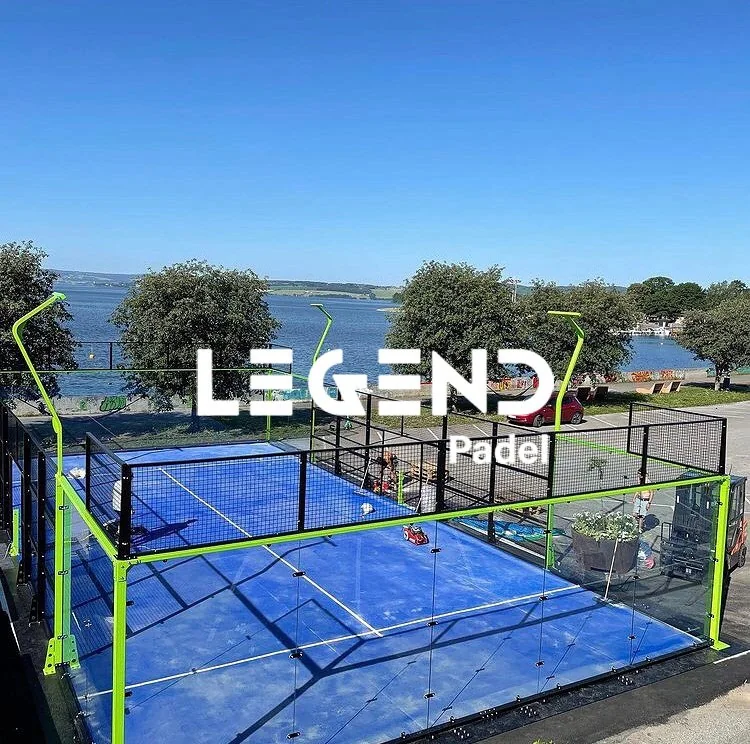
A mesura que el panorama mundial dels esports de raqueta s'expandeix ràpidament, Alemanya ha emergit com un mercat d'alt potencial. Tanmateix, obtenir permisos d'obra alemanys continua sent notòriament complex per als operadors de clubs locals. Els municipis examinen cada detall arquitectònic per garantir que l'ús del sòl proposat s'ajusti a les estrictes lleis de zonificació. Quan els operadors proposen estructures permanents que requereixen extenses obres de fonamentació, les autoritats activen automàticament revisions ambientals, estructurals i arquitectòniques prolongades.
Els temps d'espera prolongats per a la construcció de jutjats tradicionals
Aquestes instal·lacions fixes tradicionals poden endarrerir el llançament de projectes durant mesos. Els gestors d'instal·lacions simplement no es poden permetre perdre les temporades de joc d'estiu mentre esperen les aprovacions municipals bàsiques. Aquest coll d'ampolla administratiu posa de manifest la necessitat urgent d'un enfocament més àgil i innovador per a Le Tribunal dégénéré instal·lació a tots els mercats europeus.
Comprensió de les estrictes regulacions de soroll a les zones urbanes
Per què la proximitat del barri afecta la instal·lació de pistes de pàdel
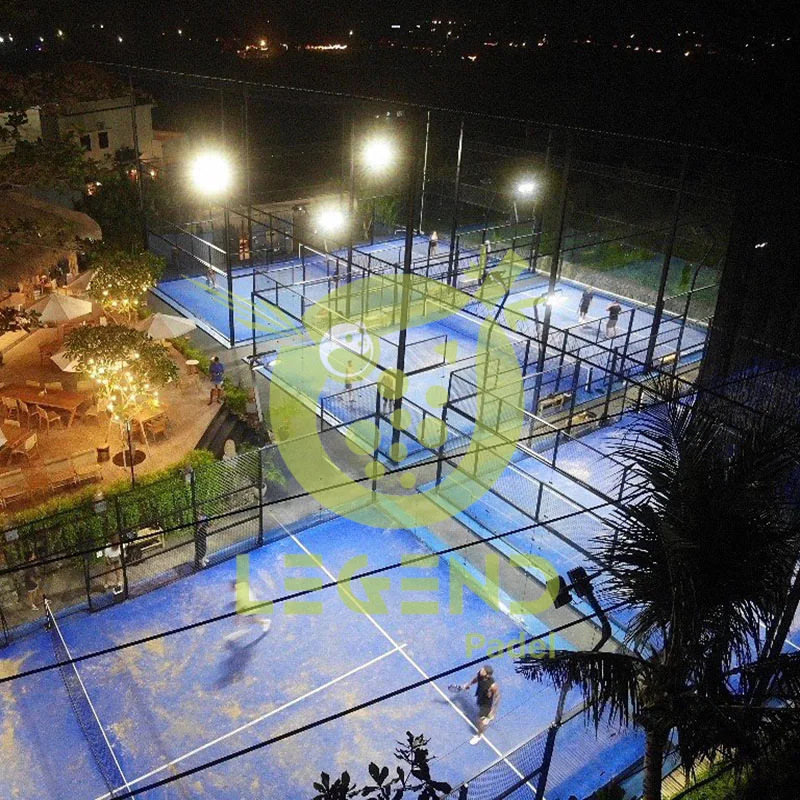
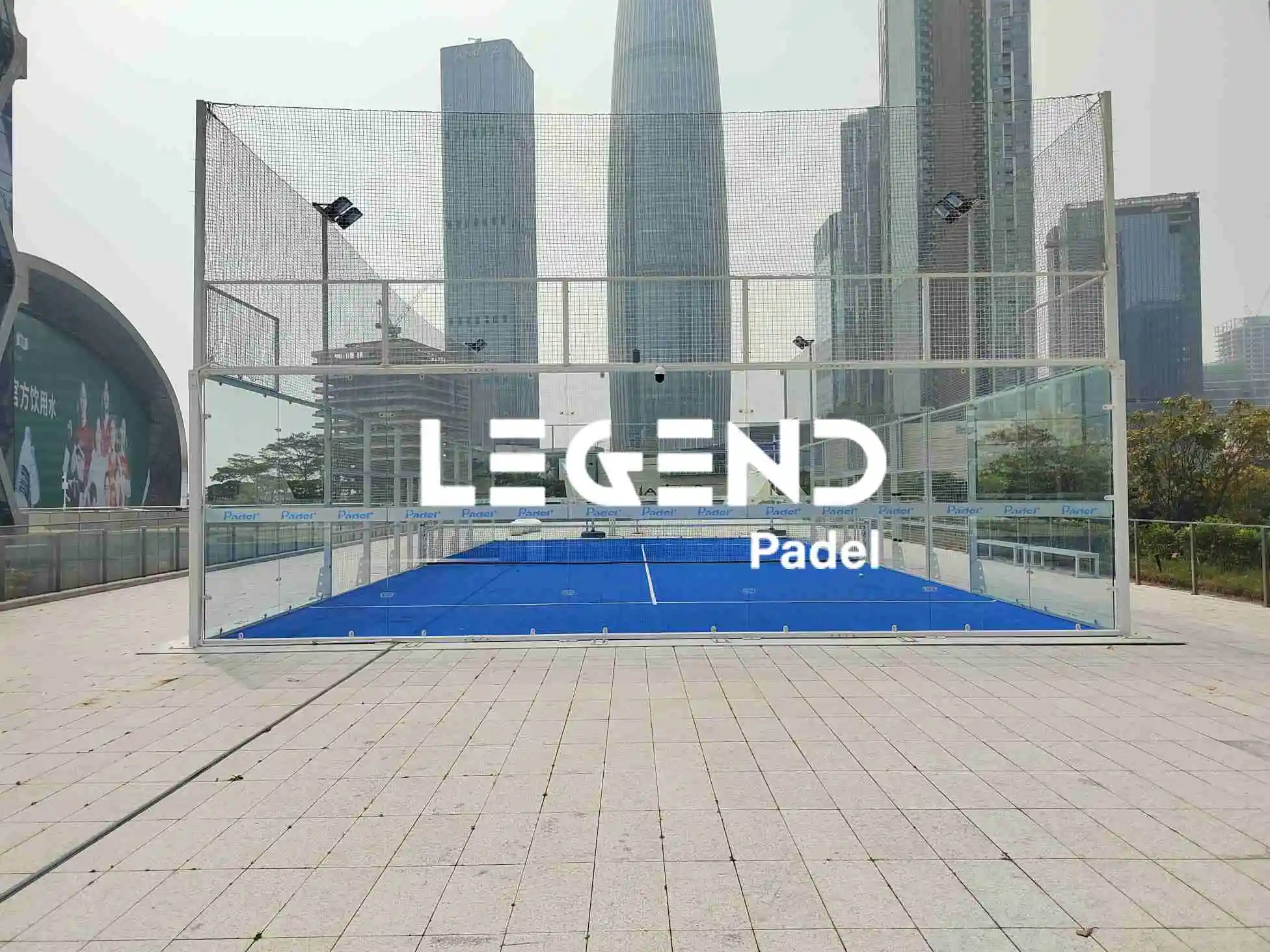
A les ciutats alemanyes densament poblades, el control del soroll dicta la viabilitat general d'un projecte. El so rítmic i d'alta freqüència dels impactes de pilota contra malla i pilota contra raqueta pot pertorbar fàcilment les zones residencials tranquil·les. Com que les parets solen ser de vidre temperat, les reflexions acústiques i les vibracions poden arribar a distàncies significatives, cosa que fa que les avaluacions d'emissions de soroll siguin un obstacle crític per als projectes comunitaris urbans.
Reptes estructurals i acústics en zones d'alta densitat
Sense enginyeria acústica especialitzada, els clubs urbans s'enfronten a queixes constants del veïnat i a restriccions operatives severes. Per solucionar-ho, cal un control de vibracions integrat a nivell de fabricació. En instal·lar coixinets de goma avançats que absorbeixen els impactes directament entre les columnes d'acer d'alta resistència i els panells de vidre, es minimitza la ressonància estructural. Aquesta millora crucial del disseny facilita significativament la superació de les estrictes avaluacions de soroll del veïnat.
Com les pistes de pàdel portàtils ofereixen una alternativa que requereix permisos
Ometre els treballs preliminars extensos per a una aprovació més ràpida
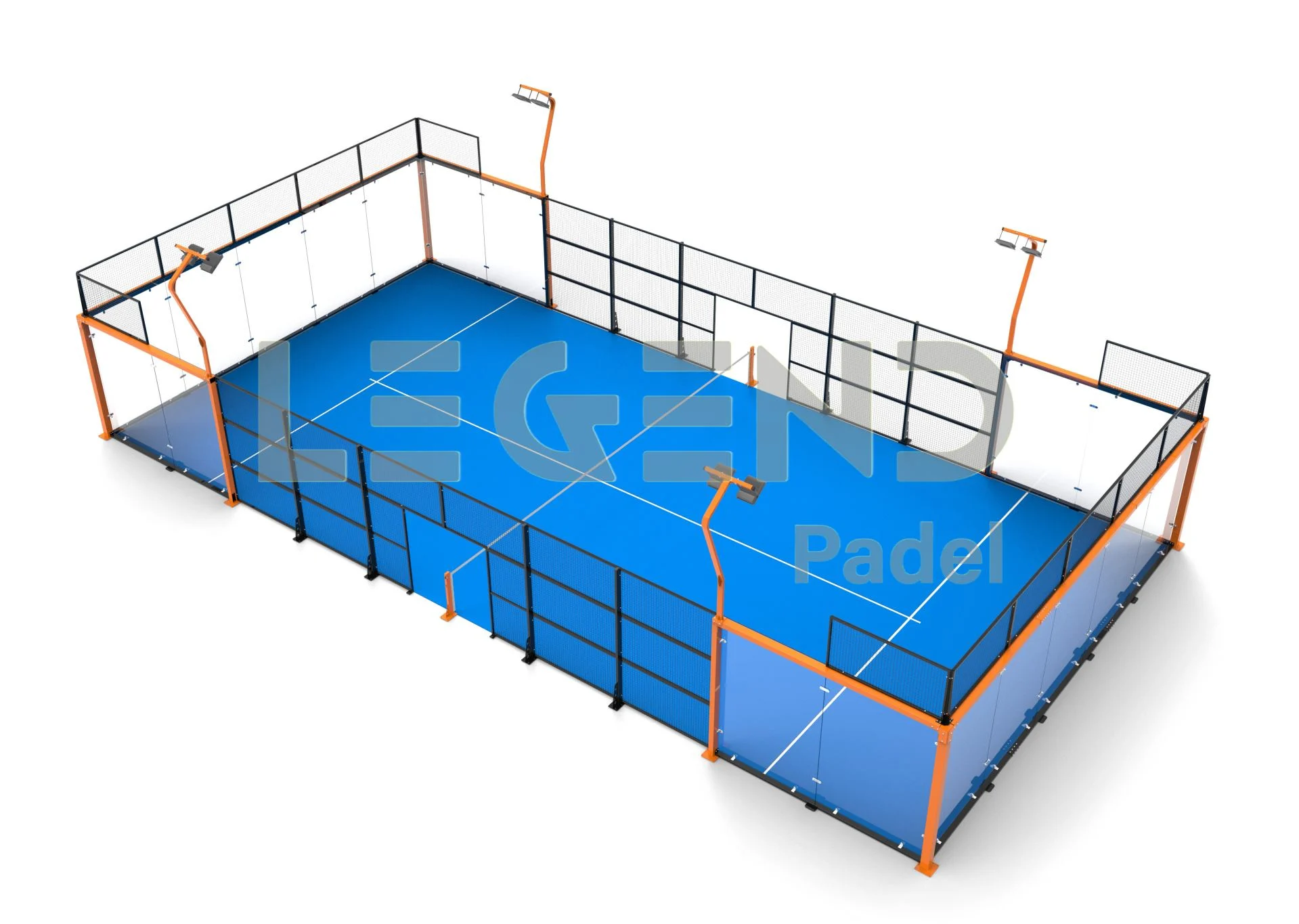
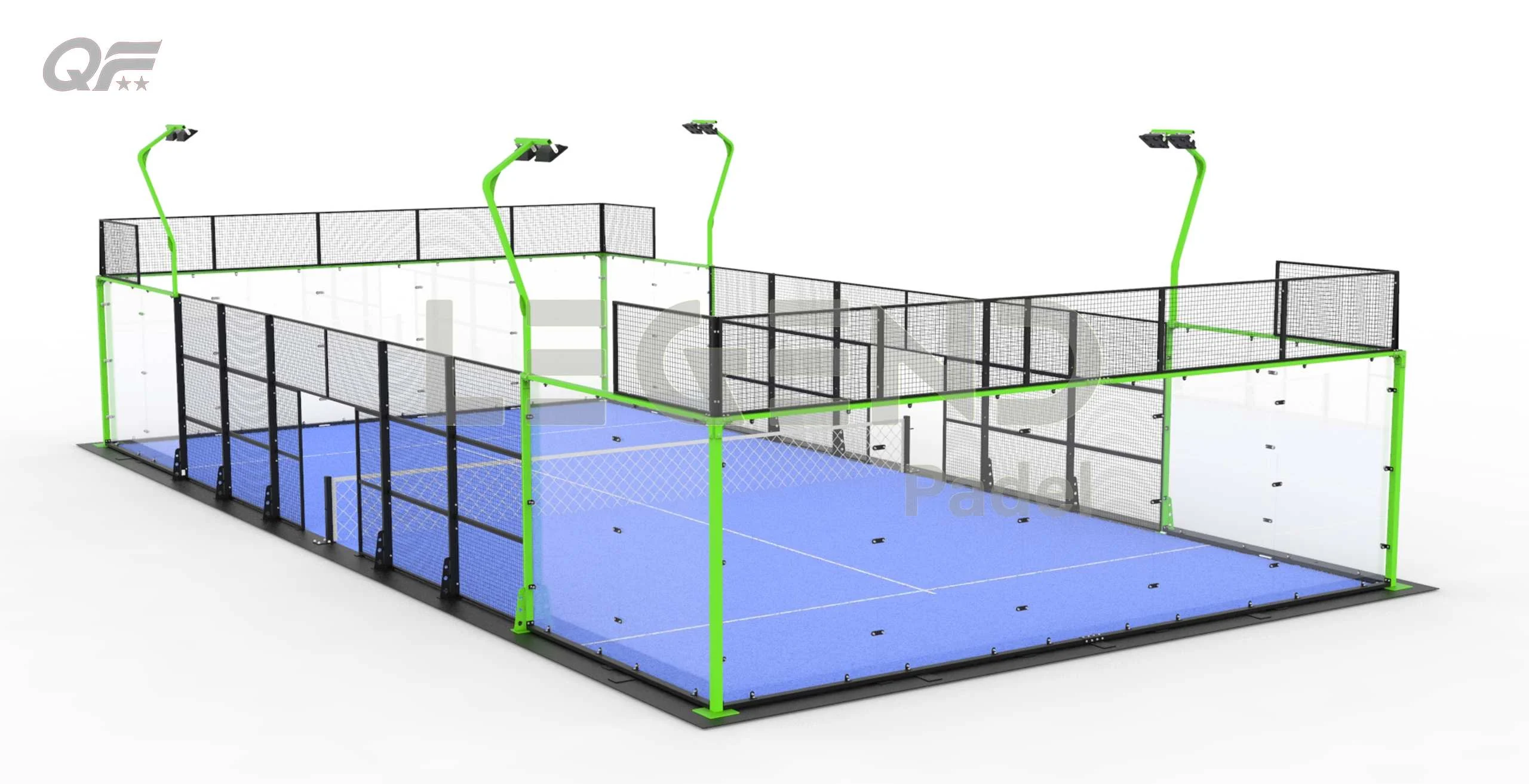
Per evitar completament els greus mals de cap de les modificacions permanents d'infraestructura, canviar a una estratègia d'arquitectura mòbil és altament eficaç. Com a fabricant líder, hem dissenyat el nostre Pàdel mòbil Pro Court-PD05 específicament per resoldre aquests reptes normatius a Alemanya. La pista de pàdel PD05 no requereix absolutament cap fonamentació permanent, cosa que permet muntar-la de forma segura directament sobre superfícies planes existents. Això redueix dràsticament l'abast de l'enginyeria civil, cosa que significa que el vostre projecte sovint qualifica per a un procés d'aprovació municipal molt més ràpid i simplificat.
Flexibilitat per a instal·lacions esportives temporals i terrenys arrendats
Per als operadors que maximitzen els seus models de negoci en solars comercials arrendats, la flexibilitat ho és tot. El PD05 serveix com la solució definitiva per a instal·lacions esportives temporals. Compta amb una estructura robusta però totalment modular que es pot desmuntar, transportar i reinstal·lar fàcilment sense comprometre cap integritat estructural. Aquesta mobilitat elimina el risc financer massiu de deixar enrere un actiu fix car quan expira un arrendament de terreny.
Tendències de disseny innovadores que potencien les pistes de pàdel interiors i exteriors
Adopció d'estàndards globals per a un joc segur i sostenible
A la 43a Fira Internacional d'Articles Esportius de la Xina, que s'ha celebrat recentment a Xiamen, vam mostrar amb orgull les nostres últimes innovacions estructurals a compradors internacionals i inversors de clubs. La indústria avança ràpidament cap a una jugabilitat estandarditzada i d'alt rendiment, i les nostres pistes personalitzades estan construïdes per satisfer aquestes rigoroses demandes. Per combatre les dures condicions meteorològiques europees, utilitzem tubs d'acer galvanitzat en calent d'alt rendiment combinats amb un acabat professional de recobriment electrostàtic en pols. Això garanteix que les nostres estructures mòbils ofereixin una resistència excepcional a la corrosió i als raigs UV durant tot l'any.
Millora de l'experiència del jugador amb un control avançat de vibracions
Tant si es tracta del nostre sistema mòbil PD05 com d'altres solucions d'alt rendiment, el nostre enfocament continua sent la qualitat superior. Les nostres pistes compten amb gespa artificial texturitzada de monofilament de qualitat internacional per a tornejos, que garanteix un rebot consistent de la pilota, una resistència al desgast superior i la màxima comoditat per als peus.
Ampliant el teu club amb pistes de pàdel personalitzades
Alineant l'estètica de la pista amb la identitat de la teva marca
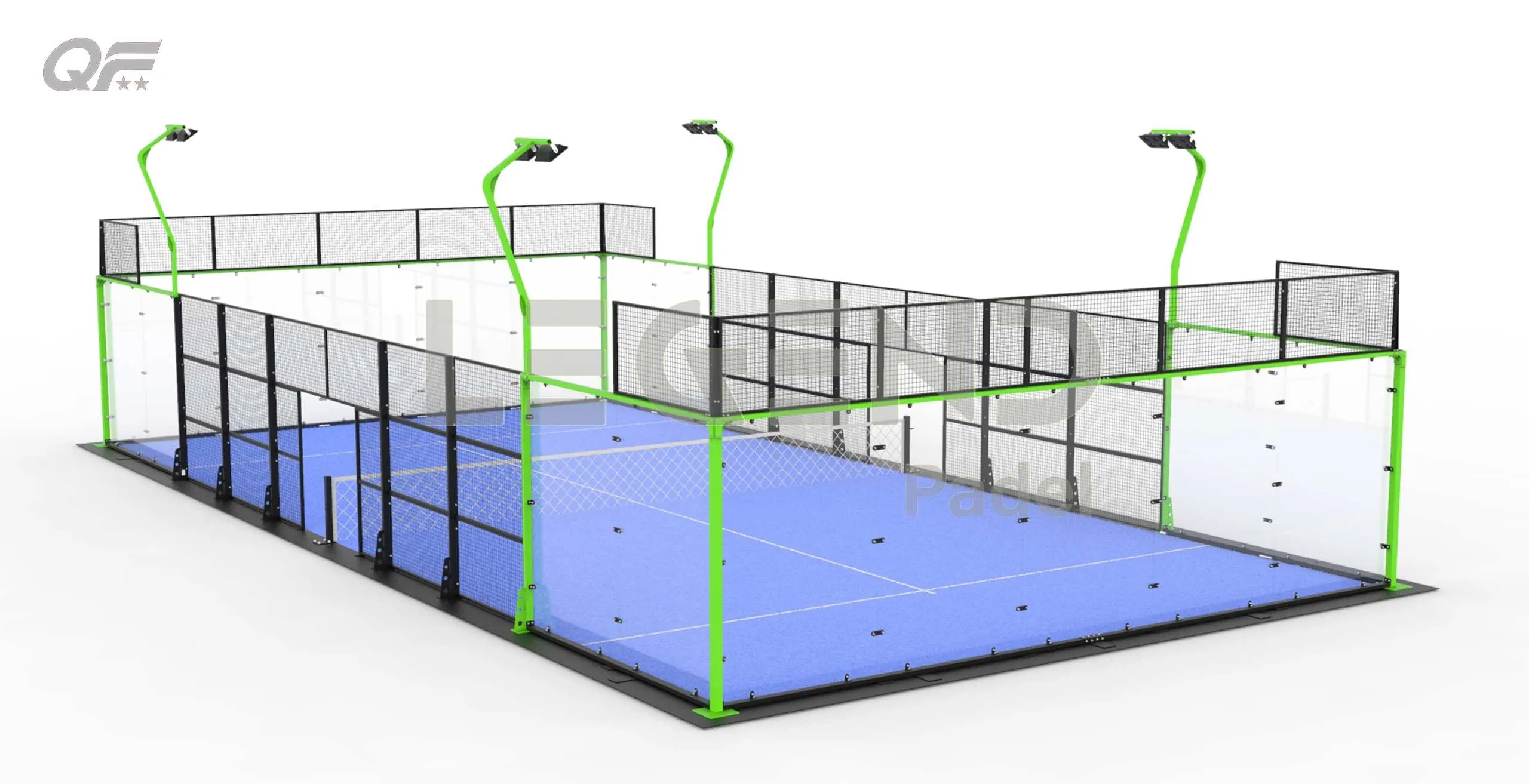
Premium d'avui clubs requereixen més que equipament estàndard; necessiten una marca cohesionada i immersiva. Oferim pistes de pàdel personalitzades i extenses, adaptades exactament a la vostra identitat visual. Els gestors d'instal·lacions poden sol·licitar amb confiança colors RAL específics per a l'estructura d'acer resistent, seleccionar colors únics per a gespa artificial i fins i tot incorporar logotips de clubs tallats amb làser directament a la estructura metàl·lica.
Per què LEGEND SPORTS és el vostre soci de confiança per a una expansió sense problemes
Associar-se amb nosaltres significa que rebrà una solució completa i completa del procés, des de la planificació inicial del lloc i la personalització del color fins a la logística global i l'assessorament sobre la instal·lació in situ. Les nostres capacitats de fabricació avançades garanteixen que, tant si construeix pistes de pàdel interiors àmplies com centres comunitaris exteriors flexibles, cada detall es lliura amb una precisió de primera classe. En centrar-nos en dissenys compatibles amb permisos com el PD05, permetem als operadors alemanys escalar els seus negocis esportius de manera ràpida i amb confiança.
FAQ (questions fréquentes)
P: Com afecta el clima local a la vida útil d'una instal·lació de pista de pàdel a l'aire lliure?
A: Els sistemes modulars d'alta qualitat estan dissenyats específicament per a climes severs. Les nostres estructures compten amb tubs d'acer galvanitzat en calent i un acabat professional de recobriment electrostàtic en pols, que garanteix una resistència ferma a l'òxid i als danys causats pels raigs UV. Això permet que l'estructura mantingui una estabilitat i un rendiment excepcionals durant hiverns durs i humits.
P: Els operadors poden traslladar fàcilment les instal·lacions esportives temporals si finalitza el seu arrendament de terrenys comercials?
R: Sí, la mobilitat inigualable és el principal avantatge dels sistemes mòbils. Tota l'estructura, inclosa l'estructura resistent i les parets (que normalment són de vidre temperat), es pot desmuntar, transportar i reinstal·lar de manera segura en una nova ubicació sense perdre cap integritat estructural.
P: Per què les pistes de pàdel personalitzades són més adequades per a zones residencials urbanes estrictes?
A: Els dissenys personalitzats permeten als propietaris d'instal·lacions integrar proactivament millores acústiques específiques. En seleccionar coixinets de goma que absorbeixen vibracions i panells de malla especialitzats, aquestes característiques a mida aborden directament les estrictes regulacions municipals de soroll que prevalen en barris d'alta densitat.
P: Les estructures portàtils encara compleixen els estàndards de seguretat necessaris per als permisos d'obra alemanys?
R: Absolutament. Tot i ser totalment reubicables, els sistemes modulars premium estan meticulosament dissenyats per complir amb els estrictes estàndards de seguretat europeus. Estan dissenyats per suportar fortes càrregues de vent i un ús diari intens, proporcionant a les autoritats locals les dades estructurals verificades necessàries per a aprovacions administratives ràpides.
P: Què implica el manteniment rutinari de les pistes de pàdel interiors amb un ús intensiu?
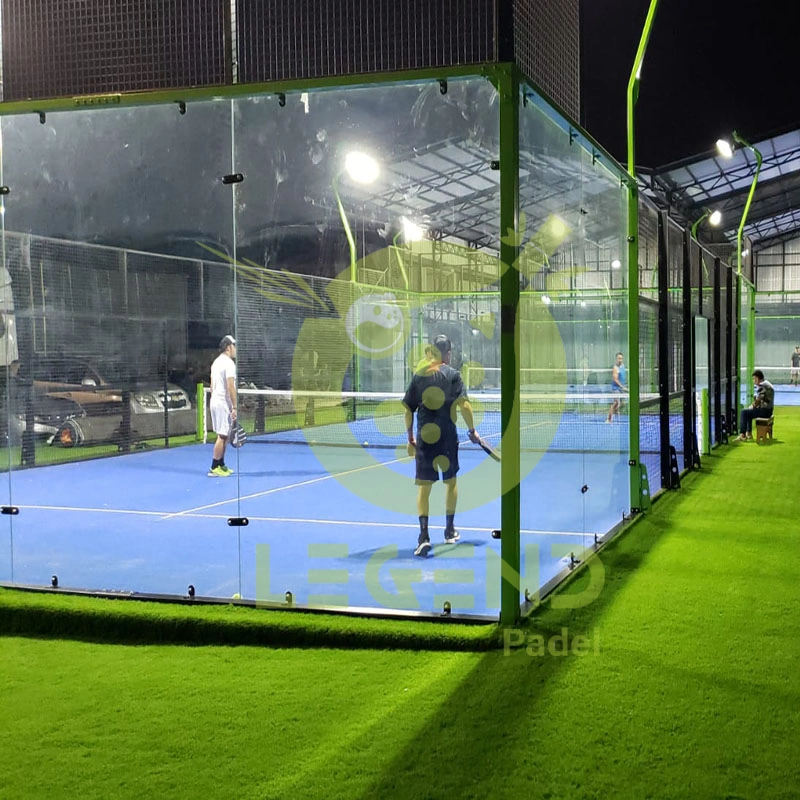
R: El manteniment és extremadament senzill i rendible. El personal de les instal·lacions només ha d'escombrar regularment la gespa artificial monofilament, redistribuir uniformement el farciment de sorra de sílice, netejar les parets de visualització transparents i comprovar periòdicament la funcionalitat dels sistemes d'il·luminació LED antienlluernament personalitzats per garantir una jugabilitat diària òptima.