



From Niche Sport to Global Infrastructure: The Rise of Padel Courts
The rise of padel courts marks a clear transition from a niche sport into a form of global sports infrastructure. What initially spread through a limited number of European clubs has developed into a structured, repeatable facility model adopted worldwide. This change points to a bigger shift in judging today’s sports stars. The focus is less on top-level matches. Instead, it stresses player numbers, group ties, and lasting business worth.
Padel courts are increasingly planned as permanent installations rather than experimental additions. Developers and operators now assess padel courts alongside traditional facilities when designing sports clubs, hotels, and mixed-use projects. This positioning highlights why padel courts are no longer treated as temporary trends but as infrastructure assets designed for sustained use.

What Is Driving the Rapid Global Adoption of Padel Courts
Low Entry Barriers and Fast Learning Curves
Low entry barriers are a primary reason behind the rapid adoption of padel courts across diverse markets. The enclosed court layout, simplified rules, and controlled ball dynamics allow beginners to enjoy meaningful rallies almost immediately. This fast learning curve shortens the gap between first-time participation and repeat play.
For facility operators, this accessibility directly impacts utilization rates. Courts such as regulation panoramic systems are often selected because they support mixed-skill play throughout the day, allowing beginners and experienced players to share the same facility without conflict.
Social Play and Community-Oriented Sports Demand
Social interaction is a defining characteristic of padel court culture. The doubles format naturally encourages communication and teamwork, while transparent tempered glass walls enhance visibility for both players and spectators. This openness transforms padel courts into social spaces rather than isolated playing areas.
Urban sports culture increasingly favors activities that combine fitness with social connection. Padel courts align with this demand by supporting leagues, casual matches, and community events within the same physical environment.
Regional Expansion Patterns Across Europe, the Middle East, and Beyond
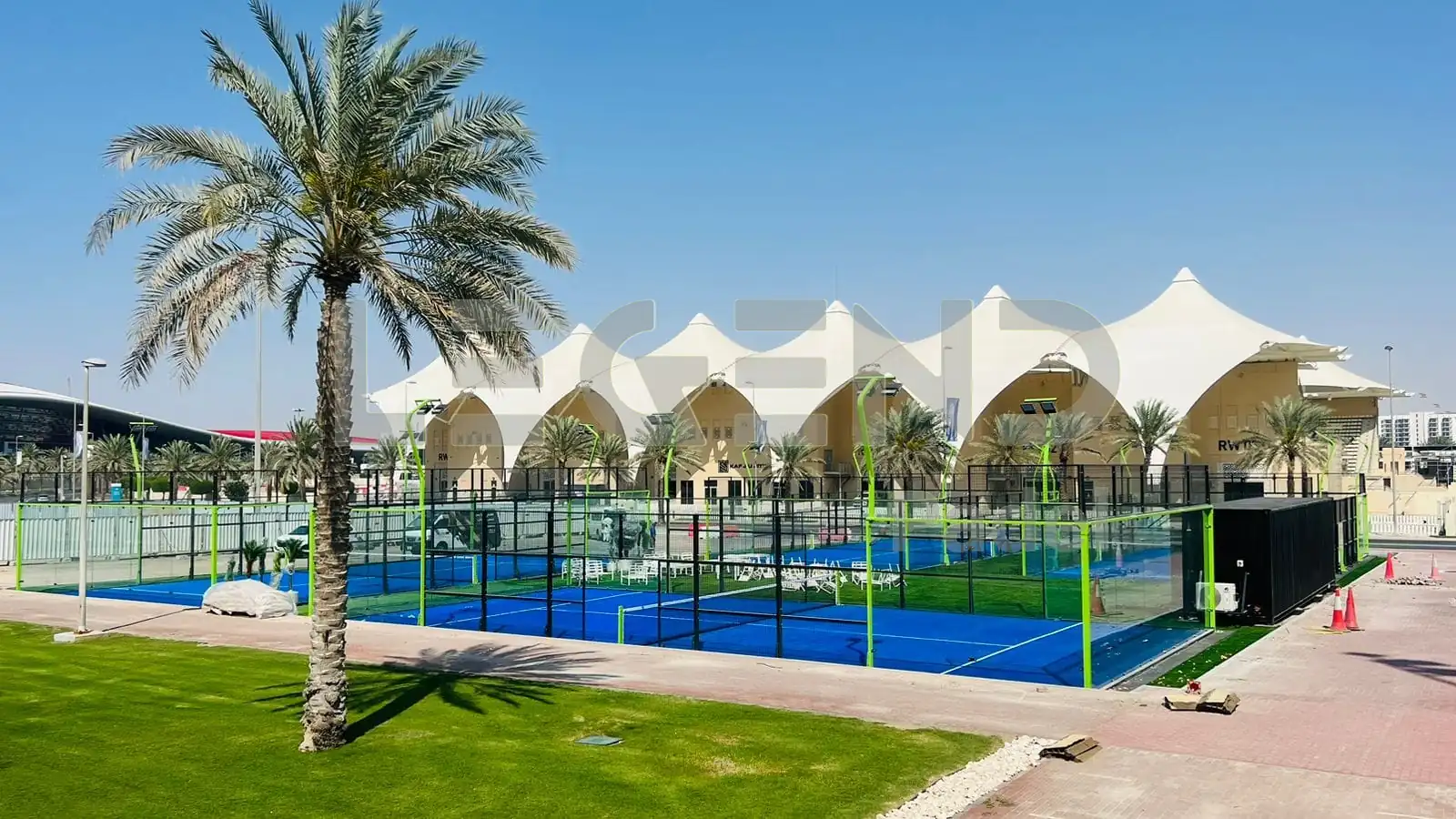
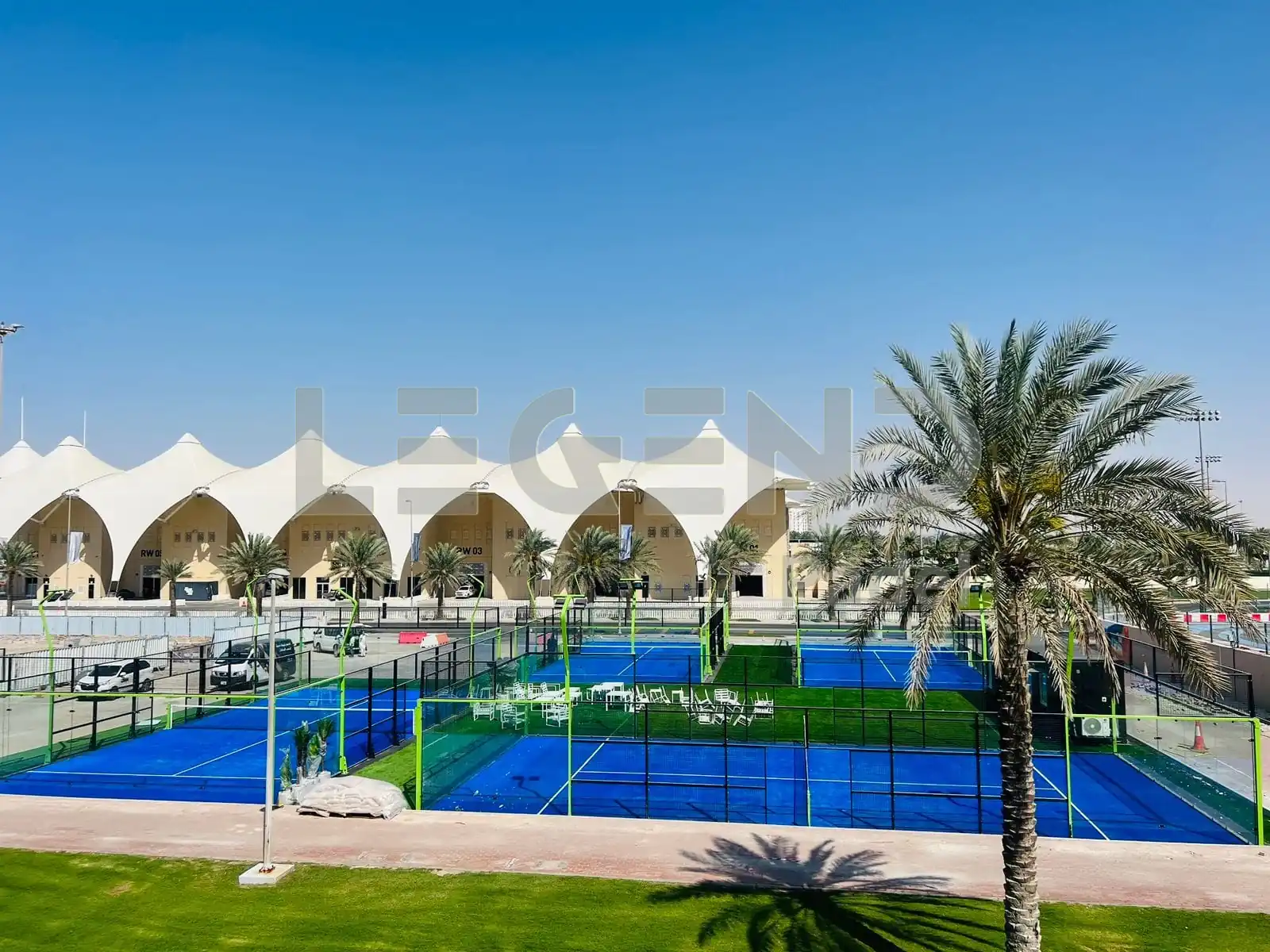
Distinct regional expansion patterns have shaped the global padel court market. Europe remains a mature market with high court density, while the Middle East has driven rapid growth through club investments and hospitality projects. Emerging regions are now following similar development paths, often beginning with smaller facilities before scaling.
This expansion has increased demand for standardized padel court systems capable of maintaining consistent playing quality across regions. Structural reliability and uniform performance have become critical selection criteria for international projects.
How Modern Padel Court Design Has Evolved
Transparent Playing Environments Using Tempered Glass Walls
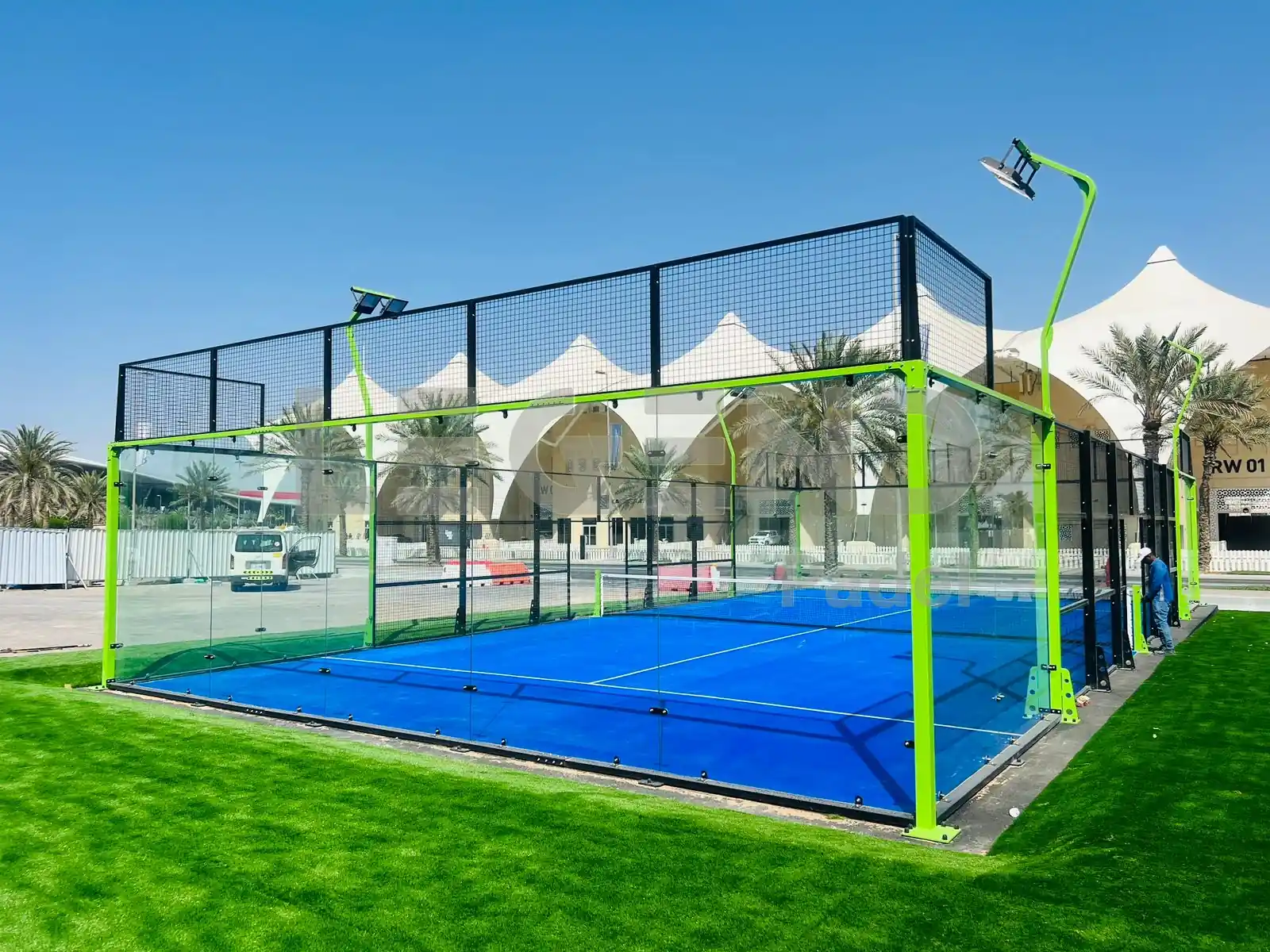
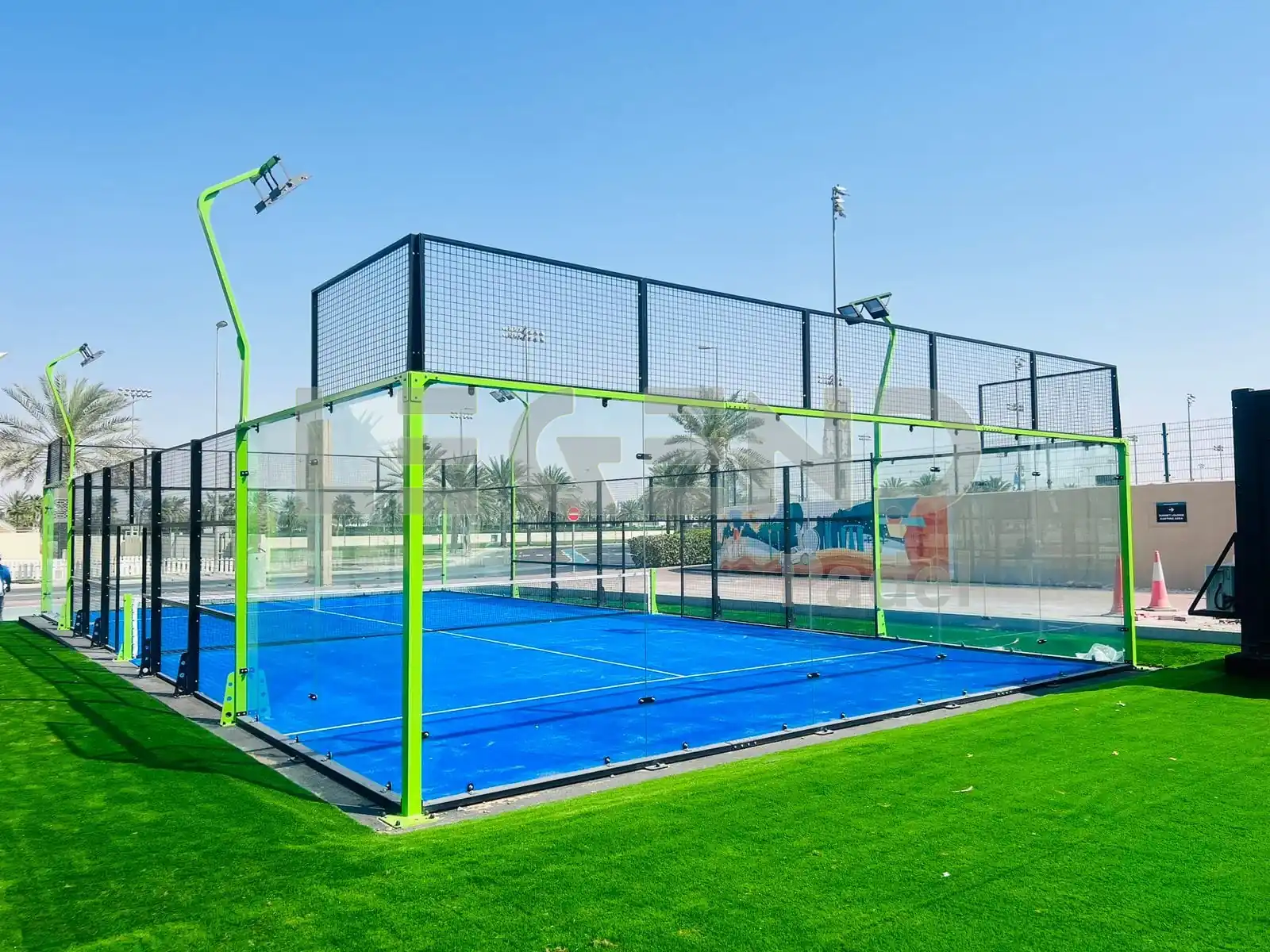
Modern padel court design prioritizes transparency, safety, and visual engagement. Walls are usually made of tempered glass combined with metal mesh, creating a controlled yet open playing environment. Tempered glass offers predictable rebound behavior and high impact resistance while ensuring spectator visibility.
Standardized glass dimensions and reinforced steel structures allow padel courts to maintain consistent playing characteristics across different installations. These design principles form the foundation of contemporary padel court construction worldwide.
Indoor Court Development and Space Optimization
Indoor padel court growth has sped up. Runners want all-year use and sure money flows. Indoor spots cut out weather stops. They let hours stretch, which helps in tough weather places.
Indoor-only setups often add tuned light plans and frame fits for roof height limits. For one thing, jobs with LEGEND SPORTS Smart Padel Court PD04E setups gain from built-in lights and digital score tools. These boost play in set areas.
Smart Technologies Reshaping Court Operations
Smart technology has become an integral part of modern padel court facilities. Electronic scoring systems, LED lighting control, and match monitoring tools support organized competitions and efficient daily operations. These features improve player experience while reducing manual workload for operators.
Technology integration is increasingly viewed as a practical investment rather than an optional upgrade, especially for facilities aiming to host leagues or high-frequency play.
Why Padel Courts Make Sense as an Investment Asset
Space Efficiency and Utilization Rates
Space efficiency is a core advantage of padel courts compared to traditional racket sports facilities. A compact court footprint allows more players per hour, increasing participation density and revenue potential. This efficiency is particularly valuable in urban locations where space costs are high.
Operators also benefit from predictable maintenance requirements, as routine inspections, surface care, and lighting checks ensure stable long-term performance.
Application in Clubs, Hotels, and Mixed-Use Projects
Padel courts are increasingly incorporated into sports clubs, hotels, and mixed-use developments as lifestyle-oriented amenities. Their visual appeal and social gameplay enhance guest and member engagement, making them suitable for a wide range of recreational contexts.
In hospitality projects, padel courts often function as signature features that support wellness programs and social interaction, adding value beyond traditional fitness offerings.
Scalable Facility Models for Long-Term Growth
Scalability is another reason padel courts attract long-term investment. Modular construction allows facilities to expand gradually, starting with one or two courts before adding more as demand grows. This phased approach reduces upfront risk and supports sustainable development.
Mobile and modular systems, such as the LEGEND SPORTS Mobile Pro Paddle Court PD05, further extend scalability by enabling temporary installations or pilot projects before permanent commitments are made.
Market Signals from Real Projects and New Installations
Early Adoption in Emerging Markets
Early adoption patterns in emerging markets reveal consistent demand signals. Initial installations often focus on clear visibility, standardized layouts, and reliable playing surfaces to ensure positive first impressions. These early projects frequently lead to rapid expansion once participation stabilizes.
Compact formats like the Single Panoramic Padel Court (PD07) are commonly used in introductory venues, allowing operators to test market response before scaling to full-size multi-court facilities.
Local Design Preferences and Customization Needs
Local market preferences influence padel court design choices. Indoor courts dominate in regions with harsh climates, while outdoor courts remain popular where weather conditions are mild. Color schemes, lighting intensity, and branding elements are often adjusted to align with regional expectations.
These variations highlight the importance of customized solutions that adapt standardized padel court systems to local operational and aesthetic requirements.
How LEGEND SPORTS Translates Market Trends into Reliable Court Systems
Consistent Manufacturing Standards for Global Projects
Consistent manufacturing standards are essential for reliable global deployment. At LEGEND SPORTS, we focus on standardized structural systems and controlled material specifications to ensure uniform performance across regions. Models such as the Pro Panoramic Padel Court PD04 and Max Pro Panoramic Padel Court PD03 are engineered to maintain stable playing characteristics under high usage intensity.
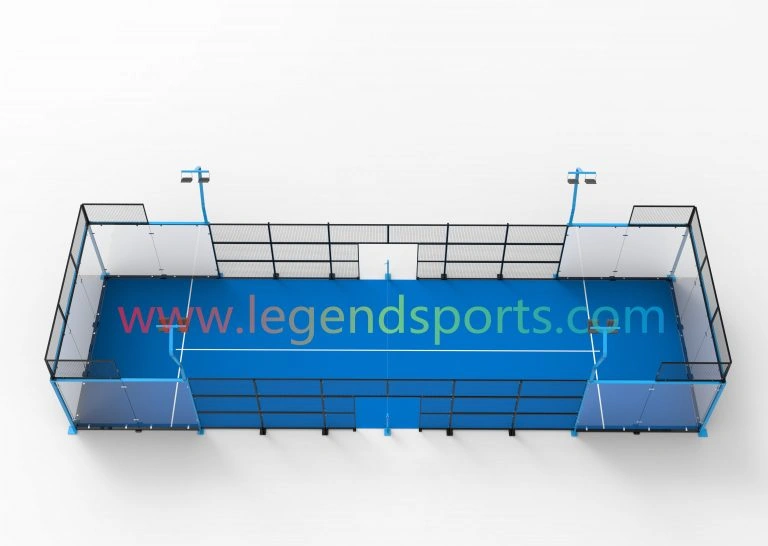
Customized Solutions for Indoor and Commercial Scenarios
Tailored fixes sit at the heart of how we back varied job needs. We change court setups, light systems, and side parts to fit indoor roof heights, trade use ways, and style wants. Setups like the Smart Padel Court PD04E show how joined tools can run smoothly and be user-friendly.
Integrated Execution from Design to Installation
Joined run makes sure build goals match real work. We link design, making, and setup to keep tough glass walls, steel frames, and light systems working even once in place. This way cuts work gaps. It backs long-run spot strength.
FAQ
Q: Why is padel court popularity increasing worldwide?
A: Padel court popularity is driven by accessibility, social gameplay, and efficient facility utilization, making it attractive to players, operators, and developers.
Q: How to choose the right padel court for a sports club?
A: Choosing the right padel court depends on available space, indoor or outdoor requirements, and expected usage intensity, with panoramic and smart systems serving different needs.
Q: Padel court vs tennis court, which is better for investment?
A: Padel courts often deliver higher utilization rates and faster ROI due to smaller footprints and higher player turnover.
Q: Which padel court brand is suitable for long-term international projects?
A: Manufacturers with standardized production, global installation experience, and customized solutions are typically preferred for long-term projects.
Q: What should be considered when planning an indoor padel court?
A: Indoor padel court planning should focus on ceiling height, lighting uniformity, tempered glass quality, and long-term maintenance planning.