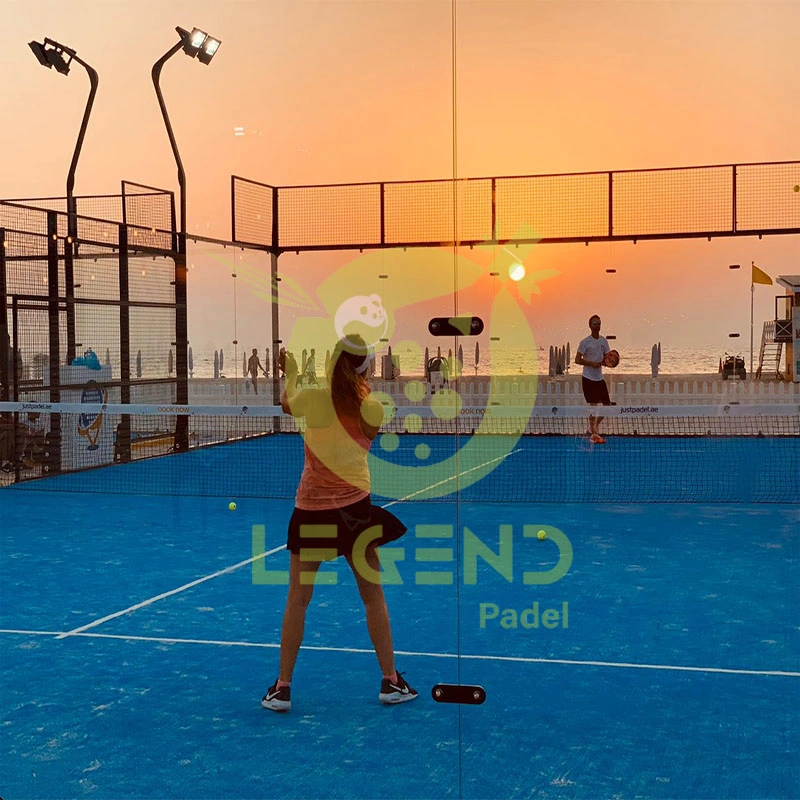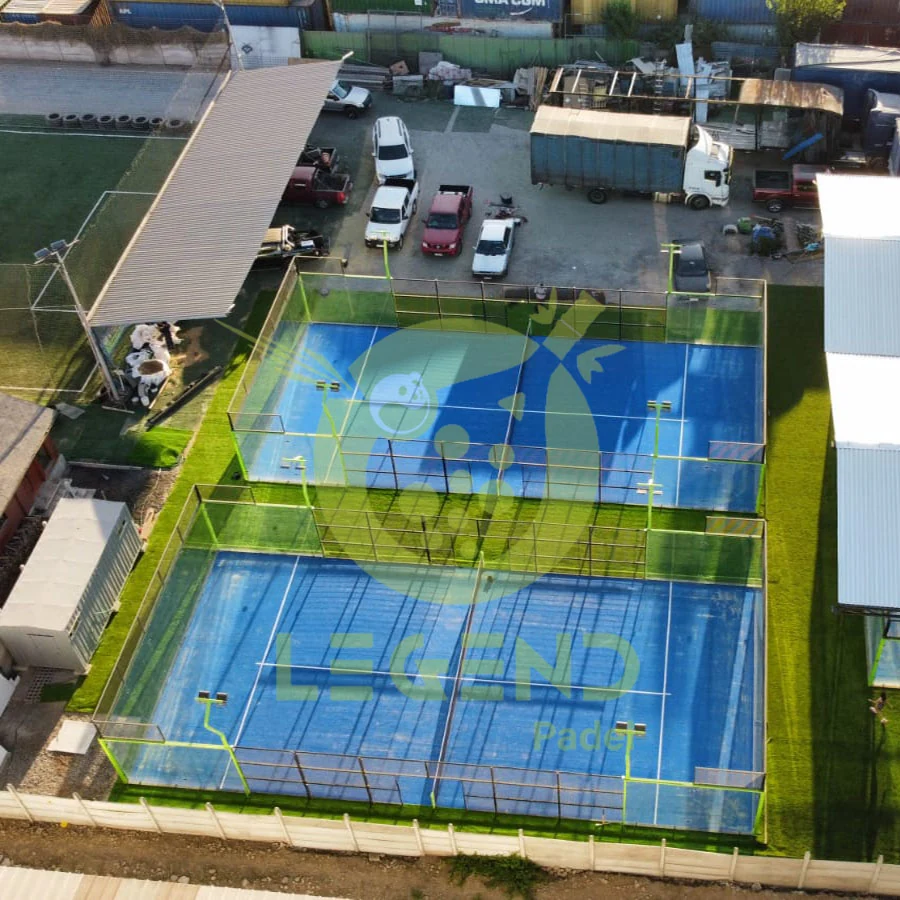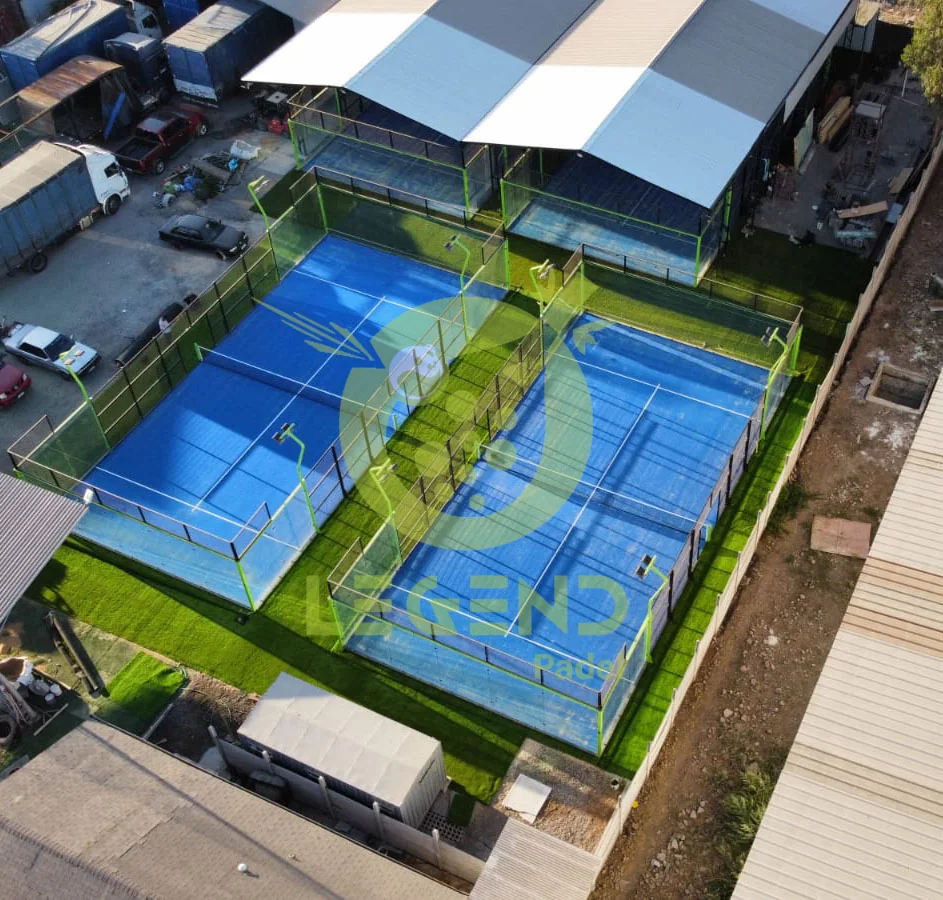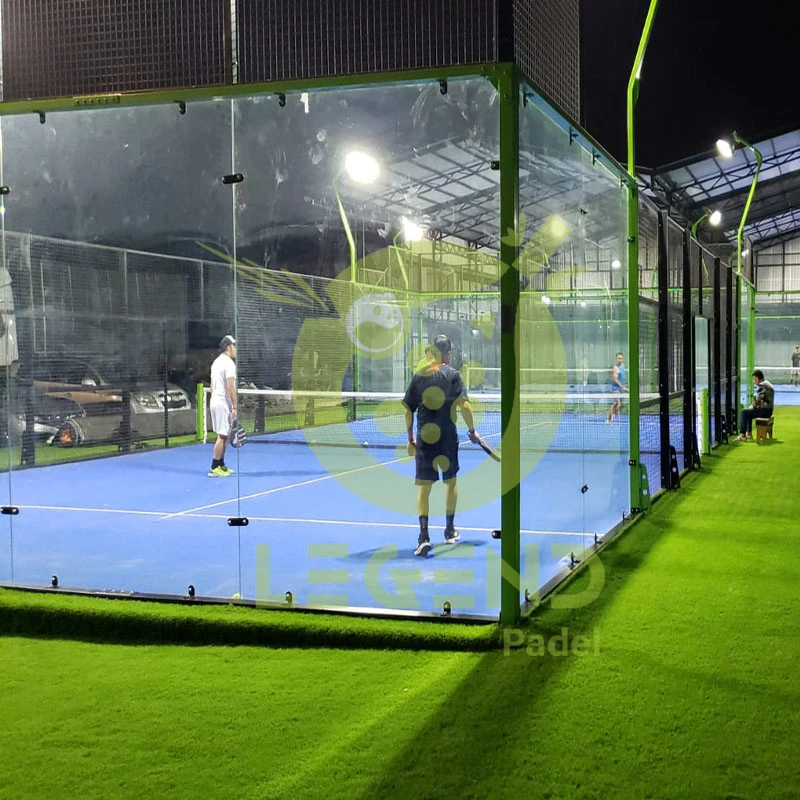



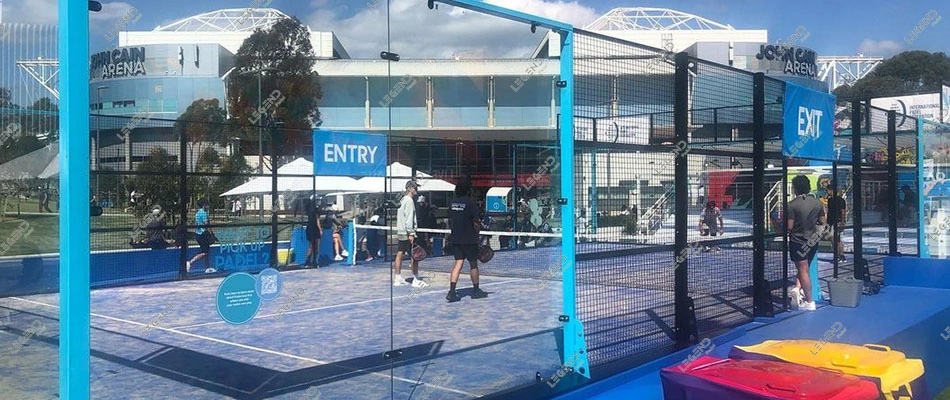
De anatomie van een moderne tennisbaan
Kenmerkende Padel Court afmetingen in vergelijking met traditionele tennis
De compacte voetafdruk van een padelbaan is een kenmerk dat het onderscheidt van de uitgebreide lay-out van traditionele tennis. Internationale regelgeving bepaalt strikt dat een standaard padelbaan 20 meter lang en 10 meter breed is. Dit gebied is ongeveer een derde van de grootte van een tennisbaan, waardoor een sportieve omgeving met hoge dichtheid wordt gecreëerd die het grondgebruik voor clubeigenaren maximaliseert. Bij het plannen van een faciliteit moeten ontwikkelaars rekening houden met een totale vloeroppervlakte van ten minste 11 meter bij 21 meter om de nodige veiligheidszones op te nemen. In tegenstelling tot de open aard van tennis zijn deze afmetingen beperkt tot een “ box,” het verzekeren van snelle interactie en het toelaten van locaties om meerdere inkomsten genererende rechtbanken in kleinere voetafdrukken te passen.
De strategische rol van gesloten glazen muren en metaal mesh
Een padel court werkt als een gesloten ruimte. De muren spelen een belangrijke rol in de spelplannen. De bouw heeft meestal eindmuren van 4 meter hoog. Deze mengen glas en mesh. De zijmuren bereiken 3 meter. Stevige 12mm gehard glas paren met gelast draadgas. Dit stelt spelers in staat om muren te raken nadat de bal eerst de grond raakt. Glas geeft stabiele afspringen voor slimme bewegingen. Mesh voegt wat verrassing toe. Het gesloten systeem houdt de bal binnen. Het verandert het veld in een slimme doos. Spelers hebben snelle reacties en ruimtegevoel nodig.
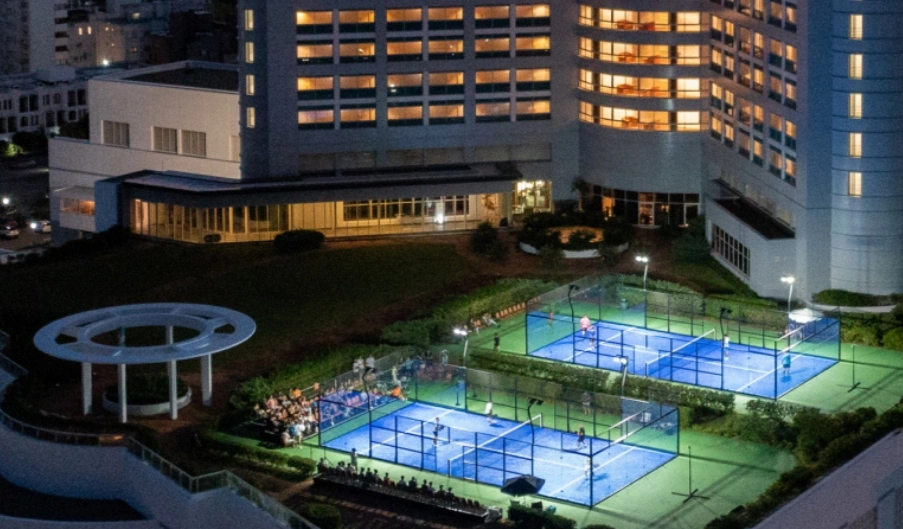
Kritische componenten die high-performance padel banen definiëren
Veiligheidsnormen voor 12mm geharde glazen panelen
Duidelijke en stevige wandmaterialen zijn belangrijk voor de veiligheid van de speler en de watcher’ s opvattingen. Pro rechtbanken gebruiken tegenwoordig voornamelijk 12mm dikke geharde glazen panelen. Deze houden veel beter vast dan normaal glas. Bij LEGENDARE SPORT, onze paneelgrootte is 2995mm x 1995mm. Ze volgen de Europese veiligheidsregel EN12150-1. Dit betekent dat als het glas breekt door harde treffen, het verandert in kleine, veilige stukjes. Geen scherpe bits schaden gebruikers. We geven ook laminaatglasopties voor plekken die extra slagsterkte nodig hebben.
Gameplay optimaliseren met professionele kunstmatige gras
De rechtvloer maakt gebruik van sterk nep gras met silica zand vullen voor een goede bal bounce en voetgrip. Onze rechtbanken hebben 12mm goed getextureerd filamentgras. Het vangt zand goed en snijdt huidwrijvingen. Onze setup heeft een hoge dichtheid van 46.200 steeken per vierkante meter. Het maakt gebruik van 13.600 Dtex garen en voldoet aan GB / T 20394-2013 normen. Deze strakke constructie maakt een even veld. Spelers kunnen schuiven met controle. Het vermijdt de snelle schade gezien in goedkope vloeren.
Structuurlijke integriteit van stalen kolommen en anticorrosiebehandeling
Een padel court’ s lange levensduur hangt af van een stevig stalen frame dat roest bestrijdt. Onze Pro Panoramic paddle Court-PD04 maakt gebruik van fijn SPHC staal met 100x100x3mm kolommen. Ze krijgen een gladde metalen glans afwerking. Voor plekken die meer kracht nodig hebben, de Max Pro Panoramische Padel Court-PD03 heeft grotere, hardere kolommen voor top blijvende kracht. Alle stalen onderdelen gaan door een dubbele spray om roest en slijtage te stoppen. Dit houdt het build geluid in externe instellingen.
Essentiële LED-verlichtingssystemen voor nachtzichtbaarheid
Goede lichtinstallaties helpen rechtbanken langer te lopen en de inkomsten te verhogen. We zetten acht 200W LED-schijnwerpers op 6 meter hoog. Ze geven 300 Lux helderheid met 6500K kleur. Deze beginnen meteen, geen opwarming nodig. Ze besparen energie en houden nachtspellen veilig. Lichten vermijden heldere vlekken. Elke rechtbank blijft duidelijk. Dit past bij de regels voor fun en pro play.
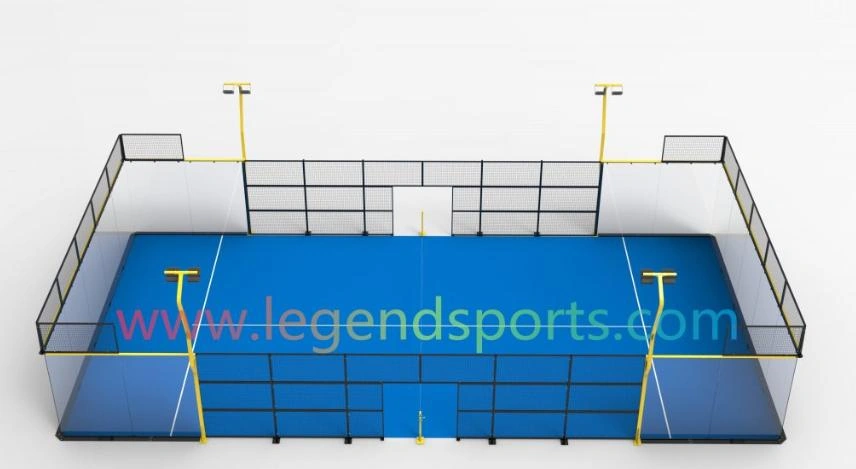
Het juiste model voor uw sportfaciliteit selecteren
Panorama Padel Courts vs. Standaard Klassieke Ontwerpen
Kopers kiezen tussen open-view panoramische stijlen en basisklassieke voor de prijs. De Pro Panoramic paddle Court-PD04 slaat achterhoekposten over. Het maakt gebruik van 12mm glas voor helder zicht. Dit past bij de belangrijkste rechtbanken en evenementen. Aan de andere kant, de Klassieke gevallen rechtbank pd01b toevoegt metalen frames aan hoeken. Het geeft een goedkope en stabiele bouw voor alledaagse clubspots. Beide houden de regelgrootte van 20x10m. Ze passen bij verschillende looks en geld plannen.
Veelzijdige oplossingen: mobiele banen en single player banen
Nieuwe veldtypen laten padel werken op korte termijn of strakke gebieden. De Mobile Pro paddle Court-PD05 heeft een zelfhoudsysteem. Het beschermt de grondvloer. Dit past bij evenementen zonder vaste basis. Voor kleine ruimtes of vaardigheid oefenen, de Single paddle Court-PD07 geeft 1V1 spel. Het is 20 meter bij 6 meter. Deze flexibele keuzes helpen clubs om lege plekken goed te gebruiken.
Aanpassingsopties om Club Branding te verbeteren
Het aanpassen van de look van de rechtbank helpt eigenaren een speciaal merk op te bouwen. Wij bieden een breed scala aan diensten. Klanten kiezen graskleuren zoals roze, groen, blauw, rood of zwart. Staal kan afwerkingen in blauw, groen of grijs krijgen om bij clubstijlen te passen. We voegen ook logo's toe. Keuzes omvatten gehard of gelamineerd glas. Dit maakt het einditem overeenkomen met de eigenaar’ De ideeën zijn juist.
Waarom LEGEND SPORTS uw belangrijkste fabrikant is voor Padel-projecten
Geavanceerde productie met premium materialen en ISO-certificering
LEGEND SPORTS draait volledig R& D, maken en verkopen. Dit controleert de kwaliteit van begin tot einde. We begonnen in 2007. Onze fabriek van 66.000 vierkante meter heeft meer dan 220 werknemers. Dat omvat 32 topingenieurs. Wij volgen ISO9001 en ISO14001 systemen. We gebruiken moderne productiestappen en fijne materialen zoals SPHC staal en EN12150-1 glas. Elke rechtbank treft strenge wereldregels.
Beproefde wereldwijde ervaring van ontwerp tot installatie
We bereiken veel plaatsen over de hele wereld. Onze goederen gaan naar meer dan 60 landen. Tegen begin 2023 hebben we meer dan 3.000 rechtbanken opgericht. We hebben diverse banen afgerond, van binnen clubs met zwarte gebouwen in Canada tot buiten sites in Chili en Qatar. Voor één rechtbank of grote centra bieden wij volledige aankoop en aangepaste oplossingen. Deze passen aan de behoeften van verschillende wereldmarkten.
Veelgestelde vragen
V: Wat zijn de belangrijkste factoren om te overwegen bij het kiezen van een padel rechtbank fabrikant?
A: U moet een “ bronfabriek” zoals LEGEND SPORTS om directe kwaliteitscontrole en concurrerende prijzen te garanderen. Zoek naar fabrikanten met geverifieerde ISO-certificeringen, specifieke veiligheidsnormen zoals EN12150-1 voor glas en een bewezen track record van wereldwijde export. Ervaren ingenieurs en het vermogen om oplossingen op maat te leveren zijn ook cruciale indicatoren van een betrouwbare partner.
V: Hoe verschillen panoramische padelbanen van standaardmodellen in termen van ervaring?
A: Panorama banen, zoals onze Pro Panorama paddle Court-PD04, verwijderen verticale pijlers aan de achterkant van de baan om toeschouwers en camera's een naadloos, ongehinderd uitzicht te bieden. Standaardmodellen zoals de Classic paddle court-PD01B gebruiken metalen frames aan de hoeken voor extra structurele ondersteuning, waardoor ze een robuuste en economische keuze zijn voor gebieden met veel verkeer.
Q: Kunnen padel rechtbanken worden aangepast om onze club te matchen’ specifieke branding en kleuren?
A: Ja, wij bieden uitgebreide aanpassingsopties om in overeenstemming te komen met uw club’ s afbeelding. U kunt kiezen uit verschillende kleuren voor de staalstructuur (blauw, groen, grijs) en kunstgras (roze, groen, blauw, rood, zwart). We bieden ook logo-integratie en opties voor verschillende glastypen om aan specifieke esthetische en veiligheidsbehoeften te voldoen.
V: Is het mogelijk om een padel court te installeren op een locatie met beperkte ruimte?
A: Absoluut, er zijn modellen die speciaal zijn ontworpen voor ruimtebeperkingen. De Single paddle Court-PD07 is een 1V1 baan van slechts 20m x 6m, perfect voor smalle gebieden. Voor tijdelijke installaties of locaties waar u niet in de grond kunt boren, maakt de Mobile Pro paddle Court-PD05 gebruik van een zelfbevestigend ontwerp dat geen permanente basis vereist.
V: Welk onderhoud is vereist om een padel court in topconditie te houden?
A: Onderhoud is eenvoudig maar noodzakelijk voor veiligheid en prestaties. Regelmatige taken omvatten het schoonmaken van de vloer en het herverdelen van het silica zand in het grasgras om een consistente tractie te garanderen. U moet ook periodiek het LED-verlichtingssysteem controleren en alle schroeven en structurele verbindingen controleren om ervoor te zorgen dat de rechtbank veilig blijft.