

The German Padel Boom: Why Are Club Approvals So Challenging Today?
Navigating Strict Land-Use Regulations for Modern Sports Facilities
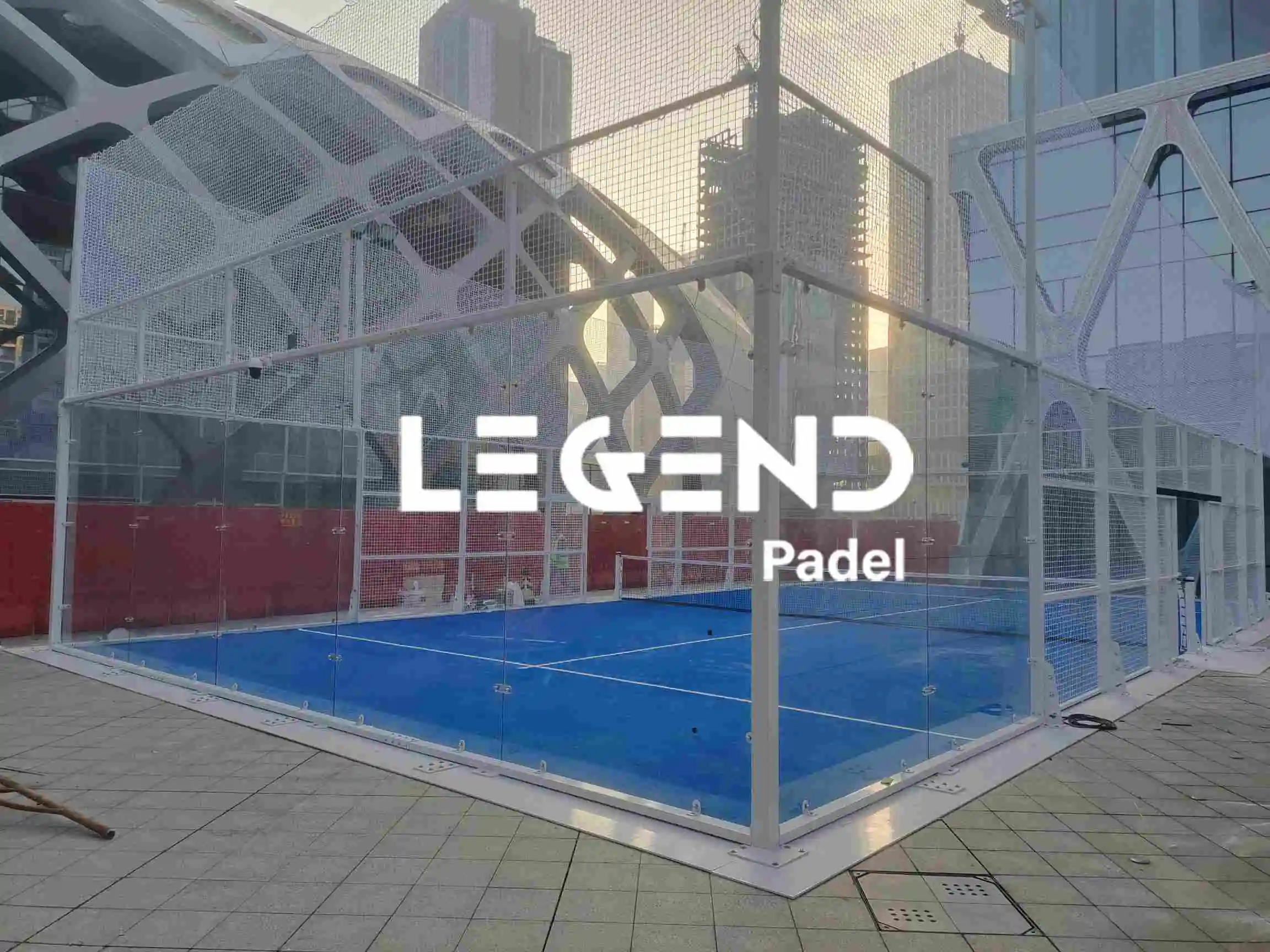
Germany has rapidly evolved into one of the most dynamic markets for this sport, yet the enthusiasm for the game often hits a wall when faced with rigorous local planning requirements. For many operators, the primary challenge is not the demand for play but the strict land-use regulations. Local authorities scrutinize every site to ensure it aligns with established zoning for athletic and commercial activities. Traditional, permanently fixed structures often trigger lengthy, complex permit processes because they are viewed as long-term architectural installations. Navigating these bureaucratic hurdles requires a strategic approach, particularly when selecting a padel court system that satisfies both local councils and the needs of a modern sports club.
The Growing Trend of Indoor Padel Court Construction in Urban Spaces
Club operators want to avoid limits from seasonal weather. They also want to keep facilities busy all year. For these reasons, they turn more often to indoor Un tribunal caído construction. They reuse industrial warehouses and large commercial spaces as quality sports venues. This allows steady operation throughout the year. From a regulatory view, indoor facilities bring a different set of issues than outdoor ones. They focus more on space use inside buildings, fire safety, and good ventilation systems. They pay less attention to external community zoning. This move toward indoor options shows how the sport is becoming more professional. Many venues seek flexible setups. These setups fit into current building structures. They do not need major changes to the buildings.
Portable vs. Fixed Padel Courts: What Is the Smartest Strategy?
Fixed Installations: Long-Term Commitments and Complex Civil Engineering
Traditional fixed courts need detailed permanent base work. They also require full long-term integration into the site. These structures are made to remain in place. Once they are installed, they offer little ability to adjust to new market situations or lease endings. If a business project must move or grow, fixed installations create problems. They cannot be taken apart or moved with ease. In addition, the need for permanent foundation work often causes extended construction periods. It also creates complex permit papers. These issues can postpone the opening of a new club by many months.
Mobile Padel Courts: Flexibility, Speed, and Relocatability
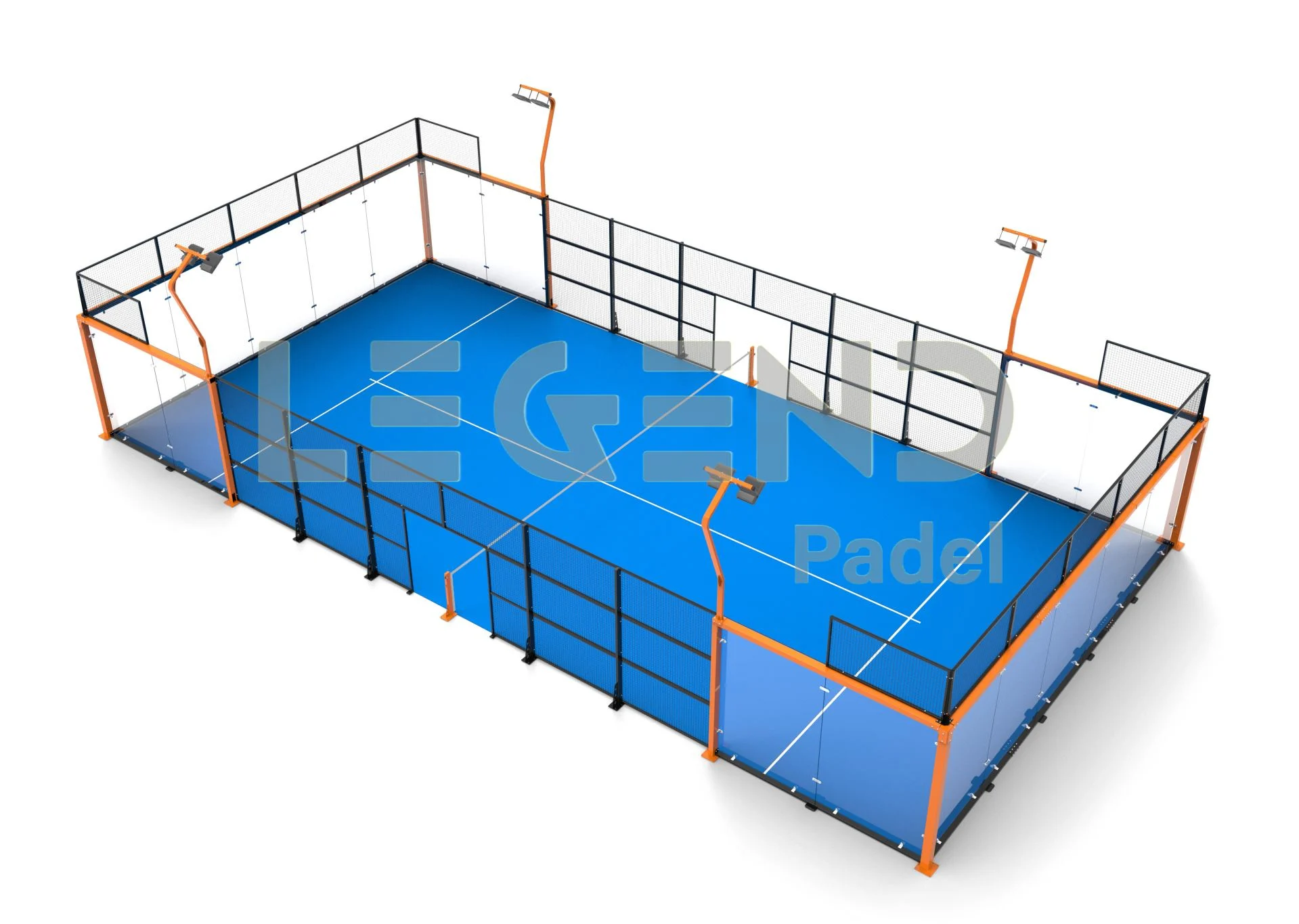
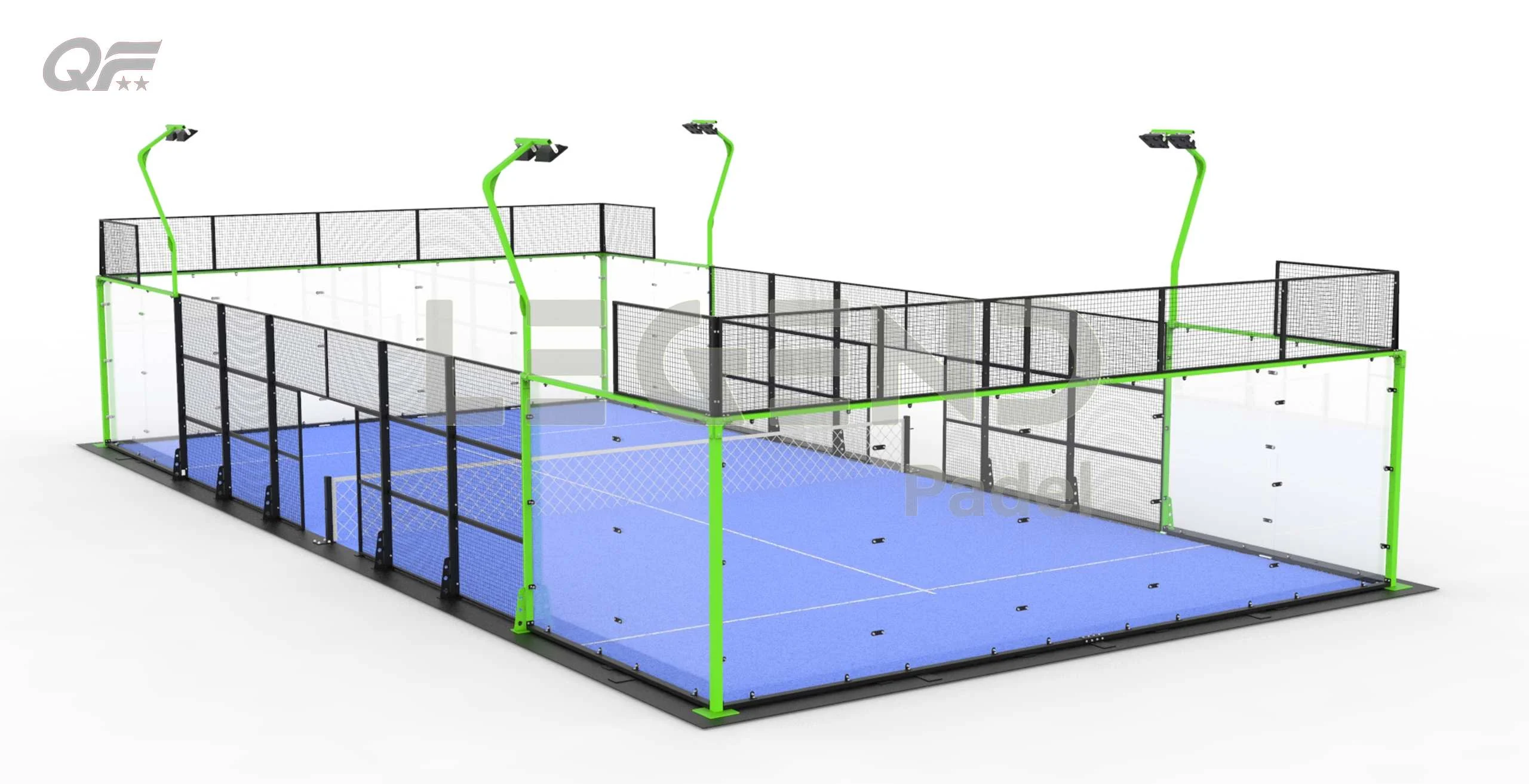
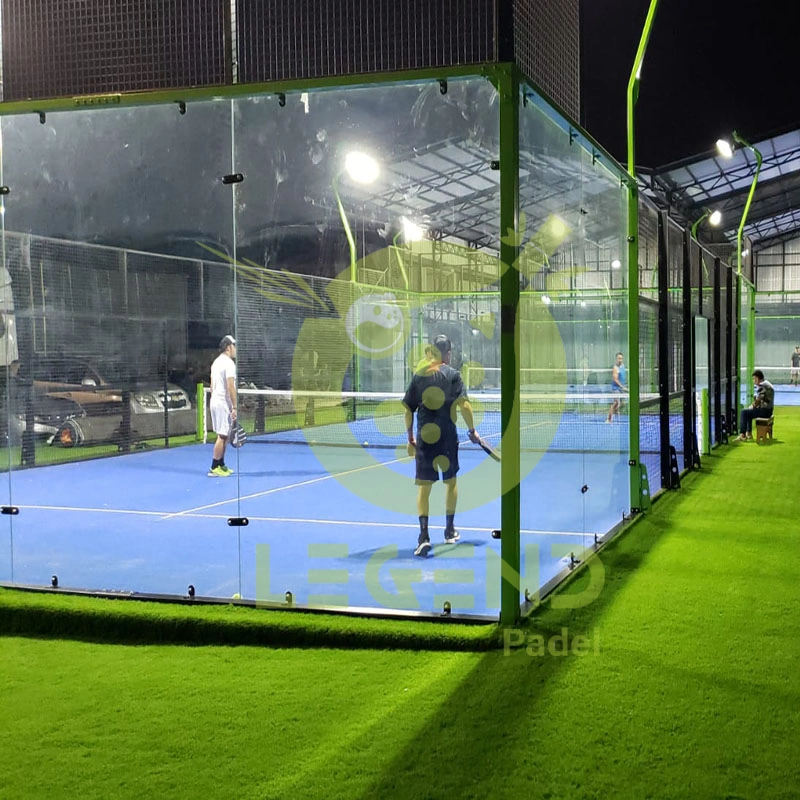
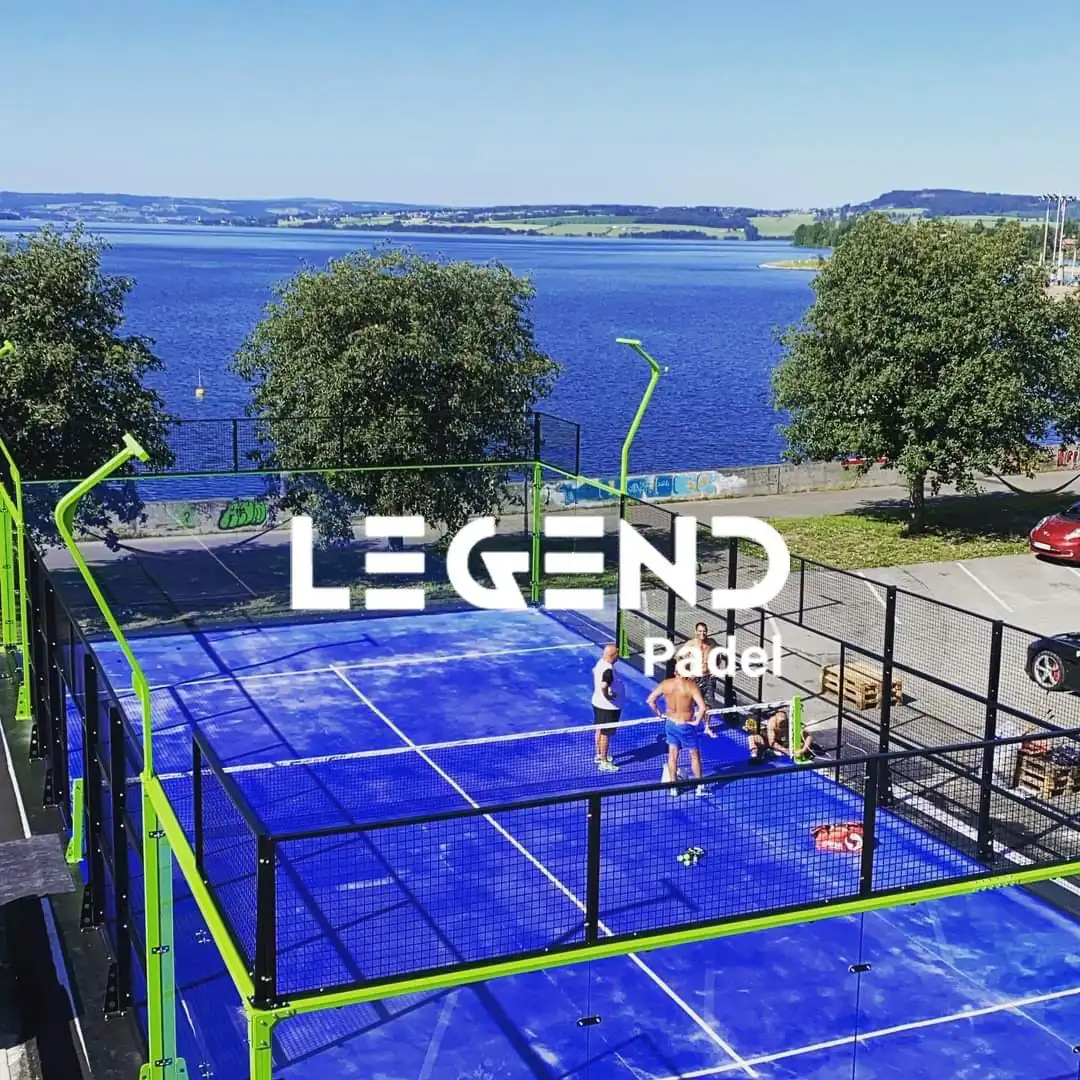
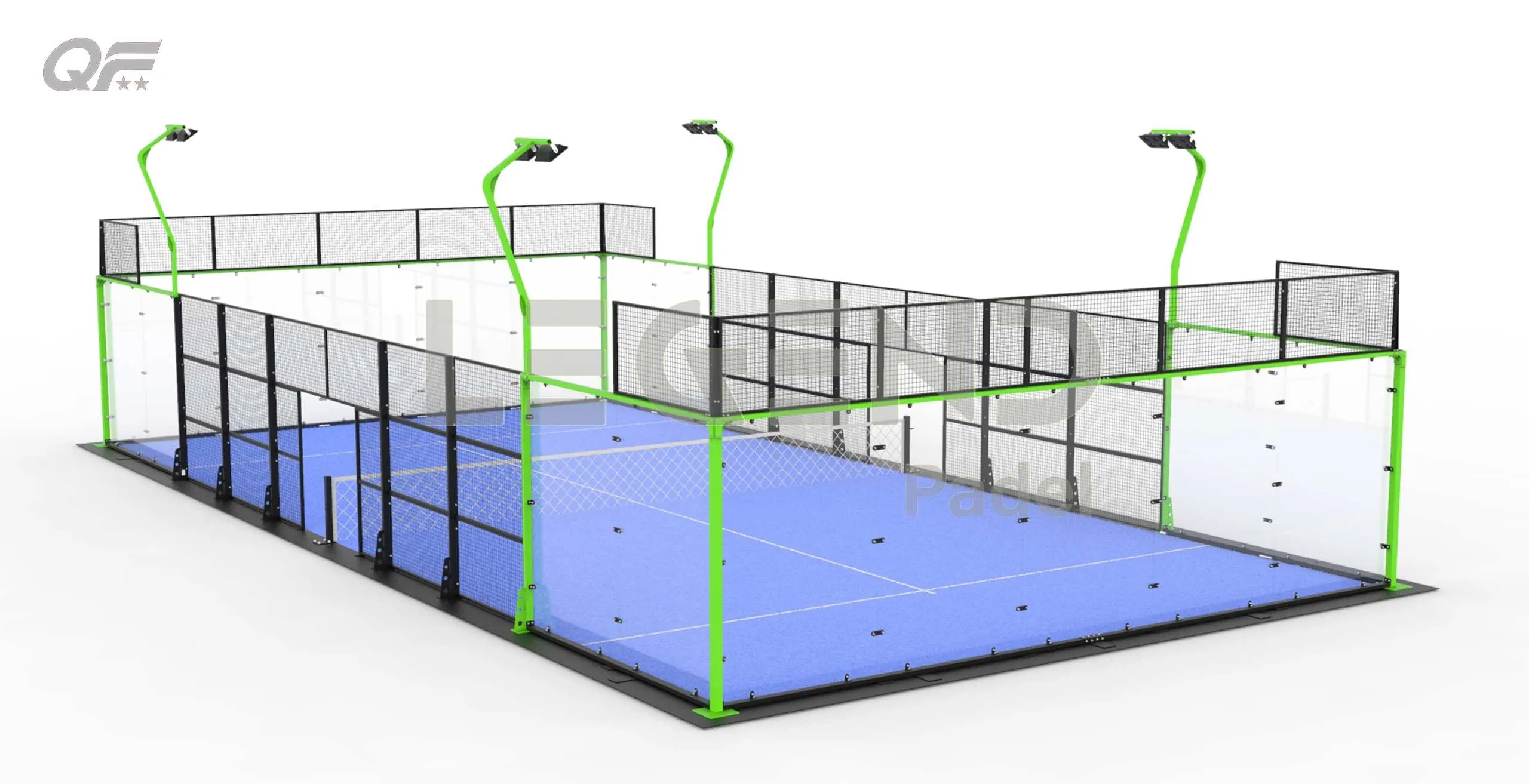
In contrast, portable padel court solutions, particularly the flagship Mobile Pro padel Court-PD05, offer unparalleled strategic flexibility. These systems are engineered to eliminate the need for permanent foundation work, allowing for rapid deployment—often completed within just a few days. The PD05 features a modular design where the walls are usually made of tempered glass and high-strength steel, ensuring structural integrity while maintaining the ability to be fully dismantled and relocated to different sites. This relocatability makes the PD05 an ideal asset for clubs operating on leased land, pop-up events, or pilot projects, significantly reducing the initial business risk while accelerating the time to market.
Overcoming the Biggest Hurdle: How to Handle Noise Restrictions in Germany?
Analyzing the Real Causes of Noise Complaints in Residential Zones
In Germany, noise rules often create the largest barrier to getting a permit for a new sports venue. This barrier is bigger than the structural design itself. Community complaints usually target certain high-frequency sounds. The most common causes are the sharp hit of the ball against the perimeter mesh. Another cause is the resonant sound made when the ball bounces off the tempered glass surfaces. Even normal talk between players can cause issues in crowded residential areas. This situation requires an advanced engineering method to reduce noise.
Implementing Innovative Acoustic Technologies for Seamless Approvals
At the recent 43rd China International Sporting Goods Show in Xiamen, new modular technologies were shown as answers to these regulatory barriers. Innovative permit-friendly design ideas are very important. This includes acoustic mesh panels. These panels can be added to the perimeter fencing. They absorb vibrations and cut down reflective sound. When they are used with high-quality systems where the walls are usually made of tempered glass, this method lowers the noise level of the court in a clear way. Operators who present these noise-reduction steps to local councils can often close the distance between community worries and operational permits. The PD05 model is built with these acoustic needs in mind. It makes sure that strong play does not harm relations with neighbors.
Eliminating Heavy Groundworks: The Path to Faster Club Operations
Bypassing Complex Foundation Preparation and Earthworks
The success of a club depends on how fast it can start full operations. Traditional sites often need months of heavy site work and digging. Advanced modular systems avoid this problem. These include the Mobile Pro PD05 and the Max Pro Panoramic Padel Corte-PD03. The Panoramic Pro PD03 is designed for high-visibility professional play. These systems are built to be placed on current surfaces with very little change. By avoiding heavy earthworks, the project stays small. The permit application stays direct. This helps clubs escape the difficulties linked to permanent ground changes.
Maximizing the Value of Leased Land and Commercial Venues
For investors, the protection of assets is essential. This is true whether the site is a hotel resort, a commercial center, or a rented industrial space. Building a permanent structure carries a high risk in these cases. Customized padel solutions let owners move the court with the business. This flexibility matters a lot in the current German market. Prime real estate is hard to find there, and lease terms can shift. This method keeps a high-quality padel court as flexible as the business model it supports.
Why LEGEND SPORTS Is Your Optimal Partner for German Market Entry
Permit-Friendly Designs Tailored for Local Compliance
LEGEND SPORTS knows that success in the German market needs more than strong steel and glass. It needs a clear knowledge of local rules. We supply complete documents to help operators deal with municipal needs. Our customized services reach past the court structure itself. They assist clubs in reaching their exact design aims, such as RAL-colored steel or laser-cut logos. At the same time, they make sure every part stays fully compliant with regional standards.
Modular Ecosystems for Rapid Deployment and Easy Upgrades
Our manufacturing approach is based on precision. We use factory-prefabricated modules. This ensures steady quality in every installation. Whether you seek the versatility of the Mobile Pro PD05 or the tournament-grade look of the Panoramic Pro PD04, our systems support easy part replacement and future growth. We focus on customized solutions. These let clubs develop their services as player numbers increase. They do this while keeping the professional appearance and quality that international sporting standards require.
Preguntas frecuentes
Q: What is the most effective way to address local noise concerns regarding padel courts?
A: Installing an acoustic mesh system on the perimeter fencing and using specialized damping materials for the systems where the walls are usually made of tempered glass are the most effective methods. These technologies absorb impact energy and reduce resonance. This is critical for securing permits in residential or urban areas.
Q: How can a facility minimize the time spent on permit applications and site preparation?
A: Choosing a portable padel court system is the most efficient strategy. By selecting a modular design that does not require permanent foundation work, you can cut the complexity of the civil engineering documents needed for planning approval.
Q: What distinguishes tournament-grade models from other court options?
A: A panoramic padel court, such as the Panoramic Pro PD04, is designed to increase visibility. It does this by reducing structural steel. This creates an immersive experience for players and spectators. Like all our customized solutions, it keeps structural integrity. It also provides a clean, modern look suitable for top clubs.
Q: Why is modular construction preferred for clubs on leased or temporary land?
A: Modular systems are fully relocatable. When the lease term ends or the business needs to move, the court can be taken apart, transported, and set up again at another place. This protects the investor’s capital. The high-quality padel court components stay usable and can be employed in a new location.
Q: How does the quality of the fencing and wall components affect long-term maintenance?
A: High-performance materials such as hot-dip galvanized steel frames and premium tempered glass are essential for durability. A well-engineered modular padel system allows for individual component replacement. This makes maintenance much easier and more cost-effective than fixing or replacing parts in integrated fixed structures.