


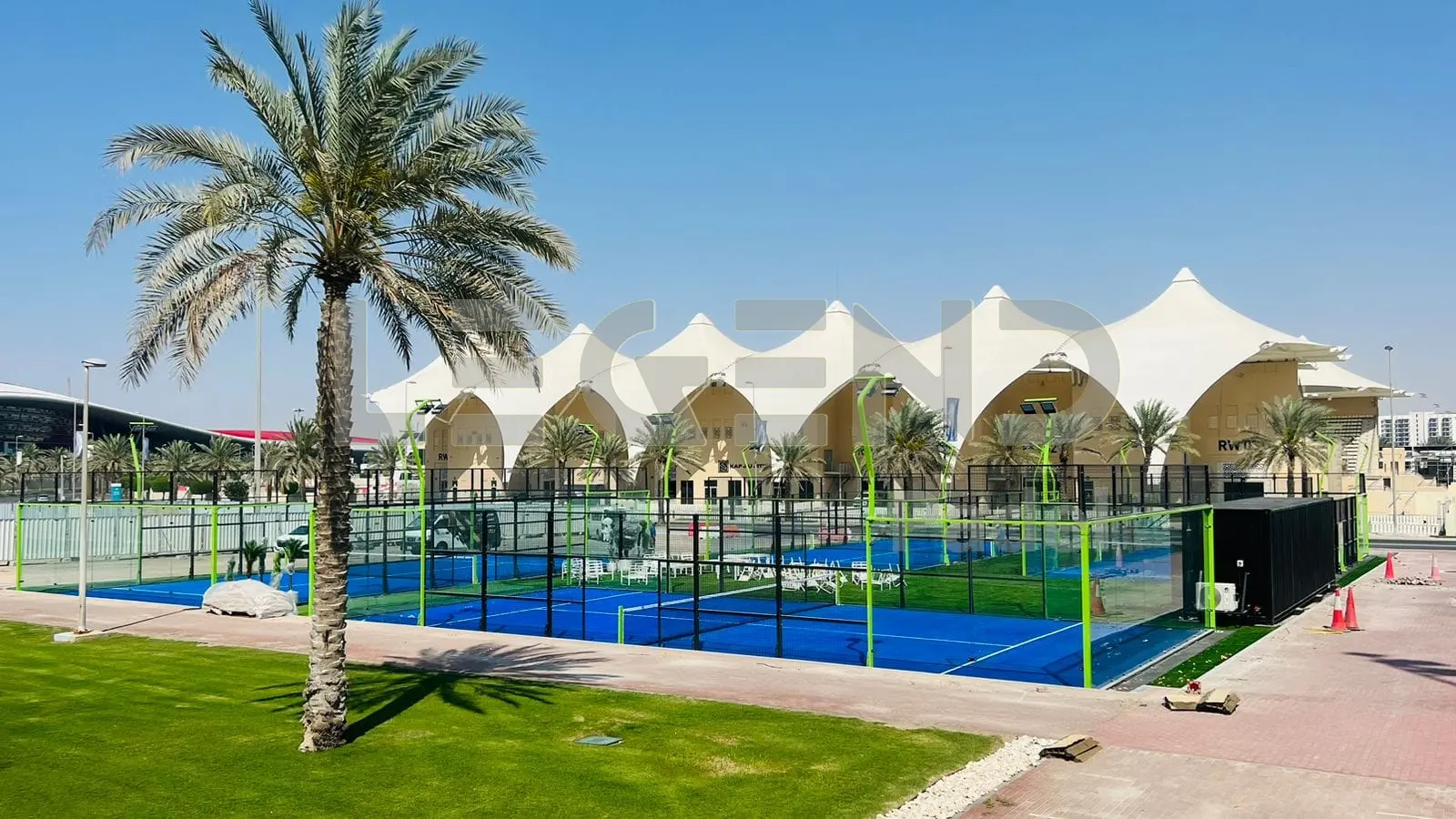
Padel court manufacturing means more than just assembling steel, glass, turf, and lights into a rectangular structure. Each choice made in the factory leads to results later on. The state of the material affects resistance to corrosion. Cutting accuracy influences how well parts fit. Welding determines the overall shape. Coating preparation affects how the court looks over time. Buyers who learn how padel courts are built can judge a supplier based on the production steps. They do not need to rely on nice photos alone.
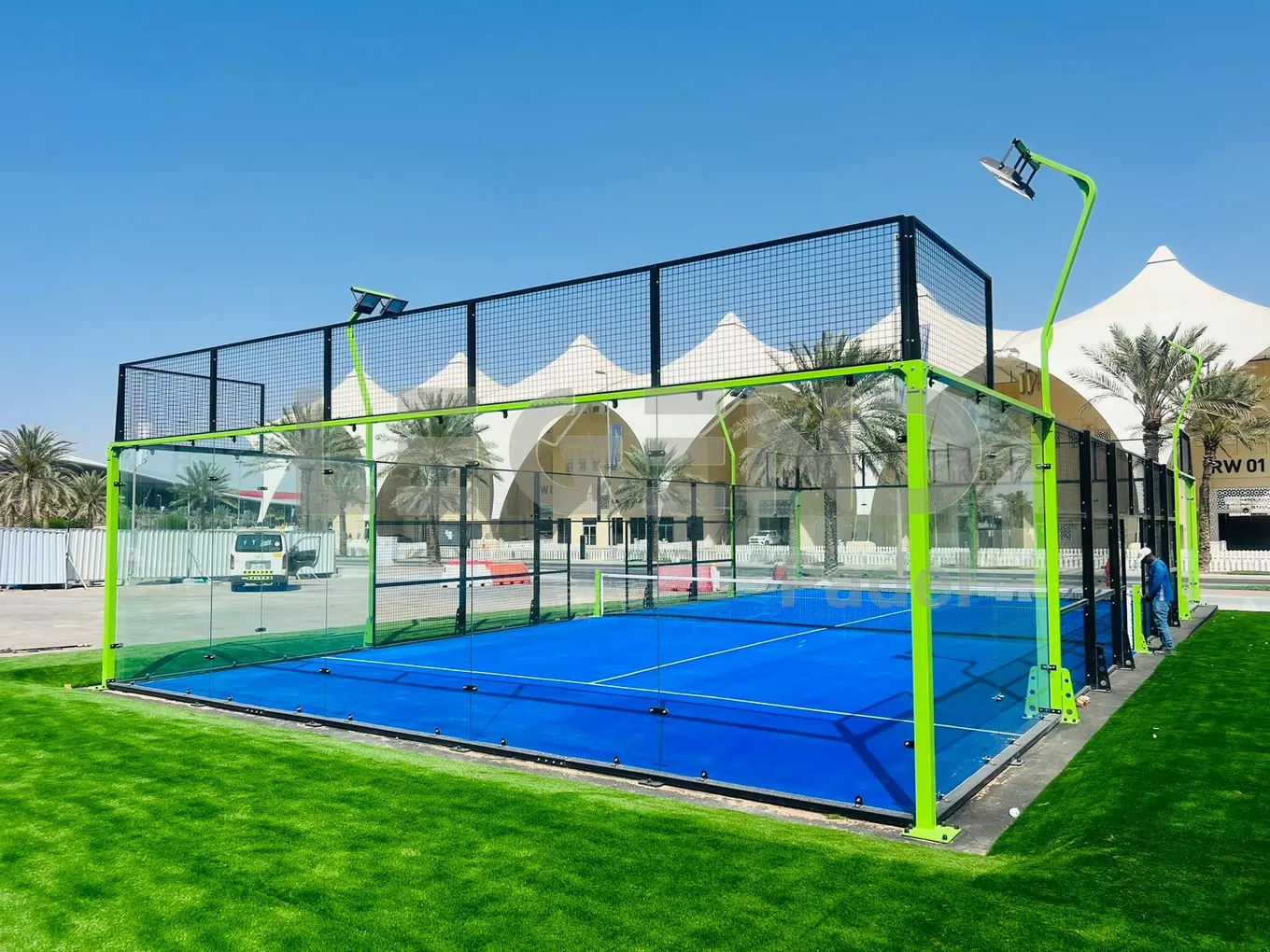
What Should Buyers Expect from a Reliable Padel Court Manufacturing Process?
Why does manufacturing consistency matter after installation?
A court can leave the factory and look complete. It may still show small differences during assembly. A slightly twisted post can change the space between frames. Connection plates that are not aligned may force installers to drill or add shims. They may need to pull components into position. Glass openings that vary from approved sizes can slow panel fitting. These openings can create uneven gaps. These fixes add labor. They damage protective finishes. They may make future maintenance on glass, fasteners, or coating less predictable.
Which stages of padel court manufacturing have the greatest impact on quality?
The key stages form one connected control chain. These include material verification, accurate cutting and bending, welding, surface preparation, powder coating, dimensional inspection, component checking, and export packing. LEGEND SPORTS combines production and quality control experience across processing, machinery, electronics, and court systems. In our factory, this coordination helps the steel enclosure, tempered glass, artificial turf, lighting, and accessories arrive as a matched installation package. They do not arrive as unrelated parts.
How Do Raw Materials Affect Padel Court Durability?
How should steel be selected for indoor and outdoor padel courts?
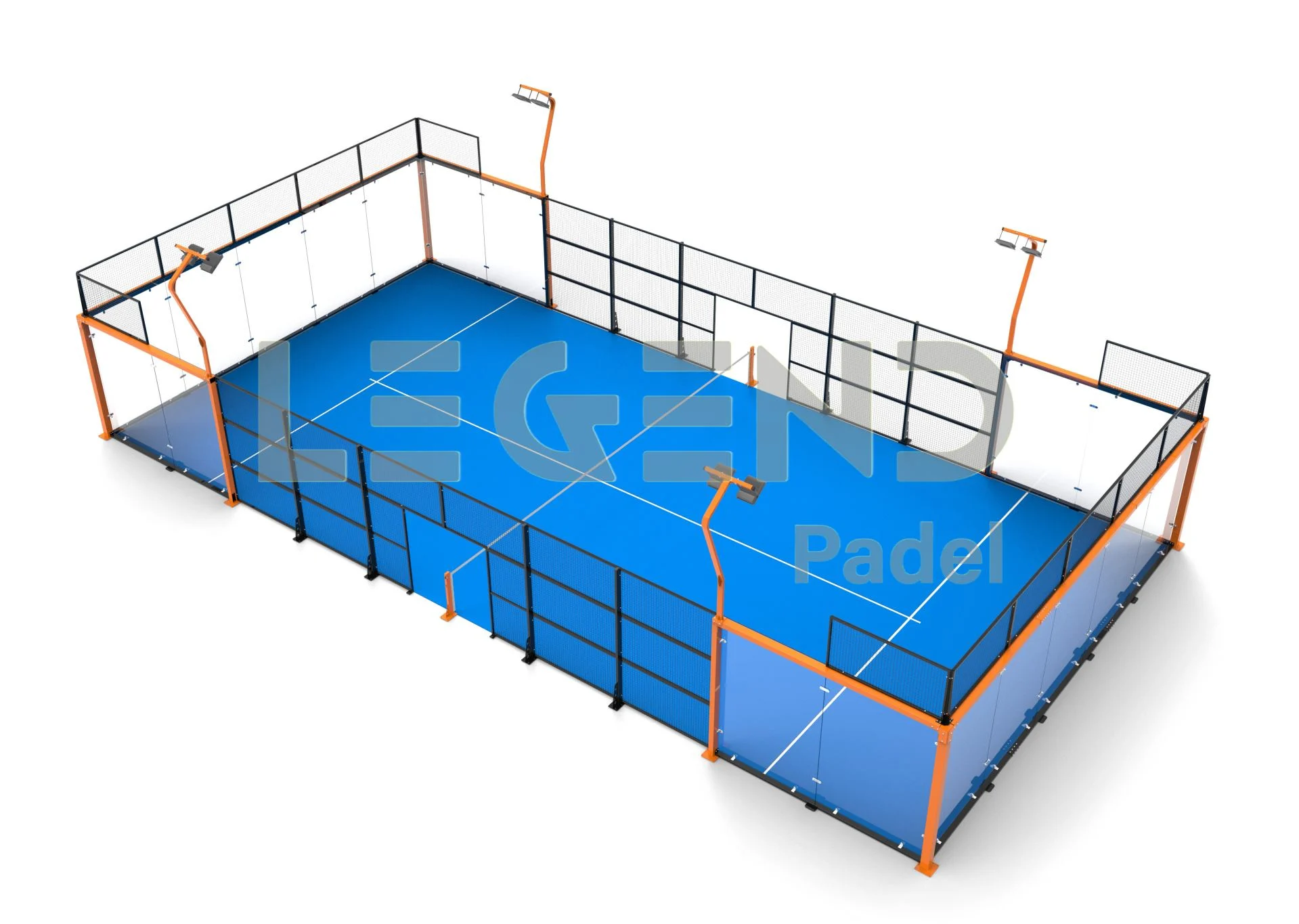
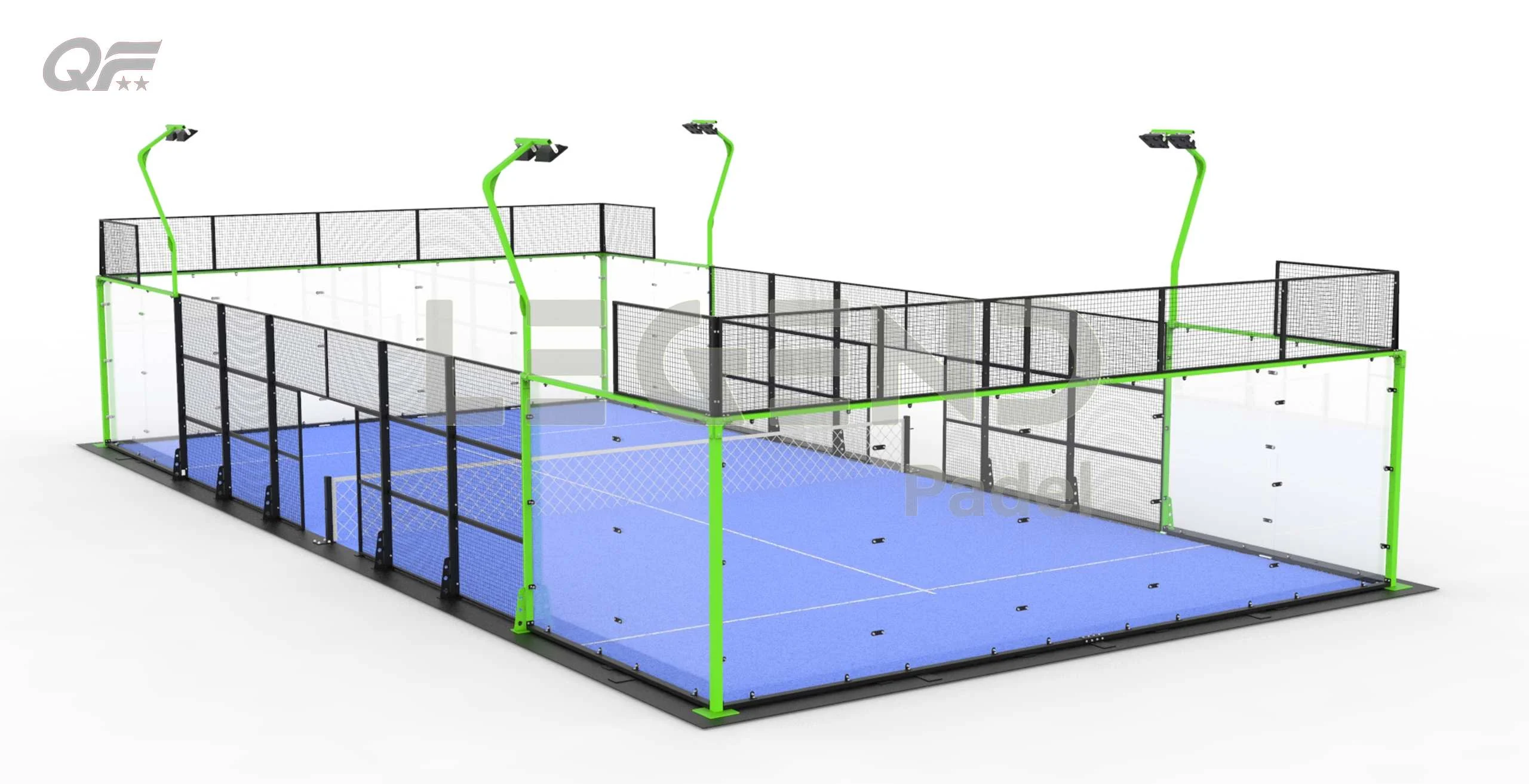
Steel selection should match both structural loading and exposure. Outdoor frames face rain, humidity, salt air, sunlight, and repeated wet-dry cycles. For this reason, galvanized protection and a compatible coating system matter. Indoor courts may face less direct weather. They still need straight flat sections and dependable wall thickness. The Max Pro Panoramic Padel Court-PD03 shows how larger structural columns can be paired with a regulation court, tempered glass, turf, and lighting as one engineered system.
Why is material traceability important in padel court production?
A finished coating can hide the steel grade, wall thickness, or galvanizing condition underneath. Buyers should approve a bill of materials before production. They should ask the factory to keep purchase records, batch identification, and inspection results. Traceability connects each finished component to an agreed specification. It also makes corrective action more practical. If a dimensional or surface issue appears, the supplier can identify the affected batch. They do not need to treat every frame as unknown.
How Does Precision Fabrication Simplify Padel Court Installation?
How do accurate cutting and bending reduce on-site adjustments?
Laser cutting and controlled bending turn drawings into repeatable posts, beams, mesh frames, plates, and connection holes. Accuracy matters. One error can multiply around the enclosure. Correct lengths keep corners square. Consistent holes let bolts pass without forcing. Flat plates sit properly against the foundation or adjoining member. Fewer field modifications mean a faster build. They cause less damage to coated edges. They create a clearer installation sequence for local crews.
What makes a padel court weld strong and consistent?
A reliable weld is continuous where the design requires it. It is properly fused. It stays free from obvious porosity, cracking, undercut, or missed sections. Robotic welding can improve repetition on standard joints. Skilled manual finishing remains useful for corners, complex details, and visual correction. Heat input must be controlled. Excessive welding in one area can pull a frame out of square. Fixtures, balanced weld sequencing, and post-weld dimensional checks are as important as bead appearance.
Why should trial assembly or dimensional checks happen before shipping?
Factory verification should confirm overall dimensions, diagonals, hole spacing, connection orientation, and the fit between representative posts, beams, mesh frames, and base plates. A complete trial build is not always necessary. Critical interfaces should be checked with jigs, templates, or sample assembly. Finding a reversed plate or shifted hole in the factory is inexpensive. Finding it after the container reaches another country can stop installation. Replacement parts must then be made and shipped.
Why Do Surface Preparation and Powder Coating Matter?
Is surface preparation more important than the visible coating?
Coating adhesion starts before any color is applied. Oil, dust, welding residue, rust, and loose scale can create weak boundaries between steel and powder. Shot blasting or sanding removes contaminants. It gives the surface a controlled profile for mechanical adhesion. After cleaning, parts should be protected from new contamination. A glossy finish cannot compensate for poor preparation. Peeling often begins where the coating never bonded correctly to the substrate.
How does powder coating protect an outdoor padel court?
Powder coating creates a continuous barrier. It slows moisture and contaminants from reaching the steel. A controlled application should cover faces, corners, weld areas, and edges uniformly. It is followed by curing at the specified temperature and time. LEGEND SPORTS uses advanced production processes and a two-stage spraying approach to support smooth surfaces and corrosion resistance. Even so, UV exposure, impacts, standing water, and coastal conditions can age a finish. Inspection and touch-up remain necessary.
What coating defects should buyers look for during inspection?
Inspectors should look beyond color. Thin or uneven areas, bare edges, pinholes, runs, orange peel, blistering, flaking, and inconsistent gloss can indicate preparation, application, or curing problems. Connection plates, bolt holes, weld transitions, and places where parts rested on racks deserve special attention. Packing damage also matters. A well-cured coating can still be chipped by unprotected metal-to-metal contact. This exposes an edge to corrosion before installation begins.
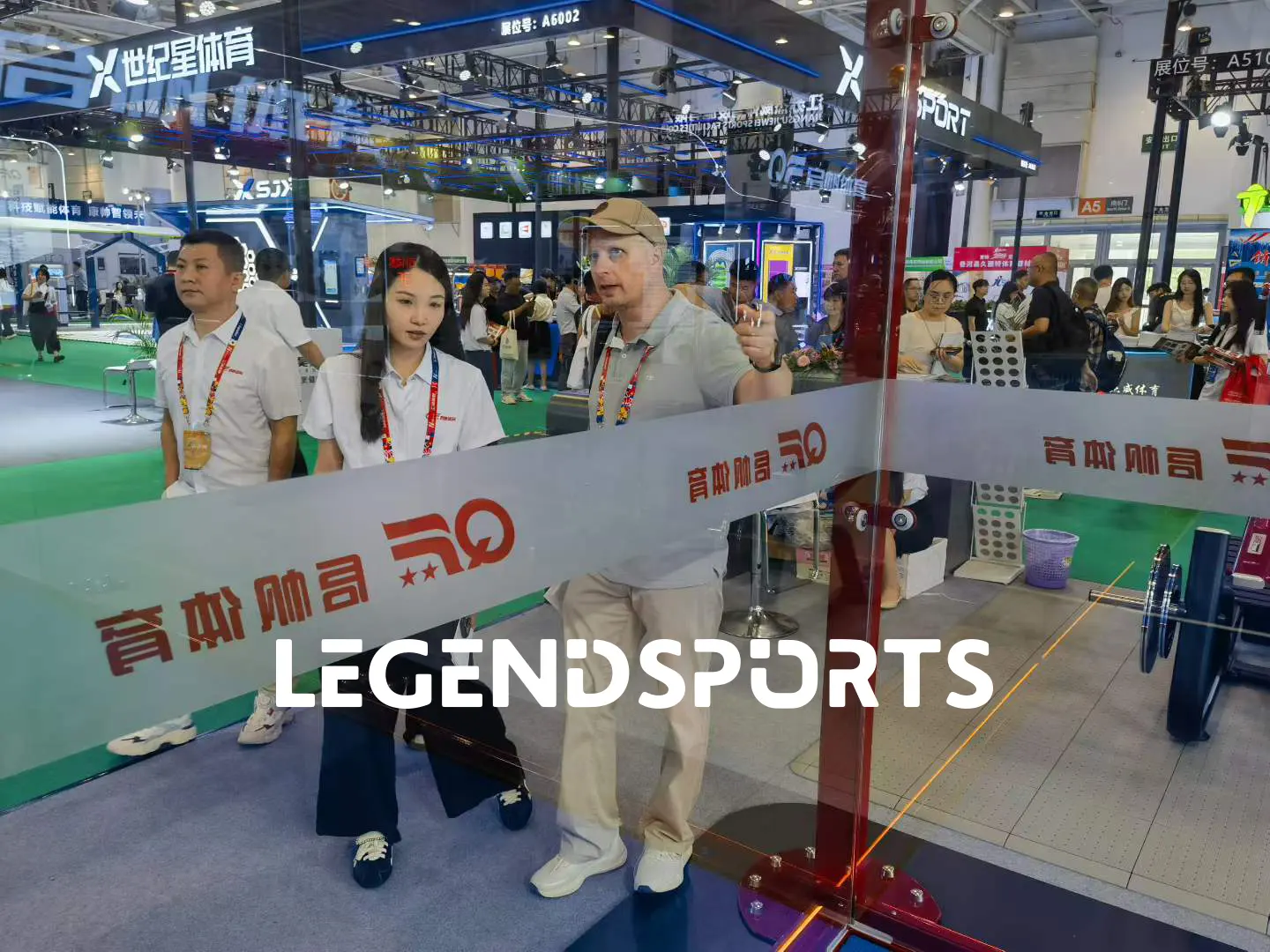
How Is Padel Court Quality Checked Before Export?
Which padel court components should be inspected before packing?
The inspection should cover the complete court. It should not focus only on the steel frame. For the Pro Panoramic Padel Court-PD04, the verified configuration combines a regulation 20 m by 10 m enclosure with SPHC steel members, 12 mm artificial turf, 12 mm tempered glass, and LED lighting. Quality control should confirm structural dimensions and finish. It should check glass quantity and condition, turf specification, lighting sets, fasteners, doors, mesh panels, seals, and accessory completeness.
How does export packaging reduce shipping damage?
Long-distance transport adds vibration, stacking pressure, forklift handling, and moisture exposure. Components should be classified by type. They should be separated with protective material. They should be reinforced where necessary. They should be identified against the packing list. Glass needs dedicated support and clear handling marks. Coated steel needs barriers that prevent abrasion. Small fasteners should be sealed and labeled by installation stage. A loading plan should also prevent heavy packages from shifting onto fragile items inside the container.
What documents make installation easier after delivery?
Good documentation converts a container of parts into an organized installation sequence. Buyers should receive a detailed packing list. They should get marked component references, approved drawings, foundation and connection details, and step-by-step installation instructions. Video guidance and remote engineering support can clarify unfamiliar steps. They do not replace competent local supervision. A coordinated padel court one-stop service also helps align manufacturing, export documents, logistics, installation guidance, spare parts, and after-sales communication.
FAQ
Q: How long does the padel court manufacturing process take?
A: Lead time depends on order quantity, customization, material availability, factory capacity, inspection, and packing. Buyers should request a written schedule. This schedule should separate drawing approval, production, coating, quality control, and loading. They should not rely on one unqualified delivery promise.
Q: What materials are normally used in padel court manufacturing?
A: A complete court normally includes a protected steel structure, mesh panels, tempered safety glass, artificial turf, LED lighting, doors, fasteners, seals, and accessories. Regulation LEGEND SPORTS models such as PD03 and PD04 combine a 20 m by 10 m court with 12 mm tempered glass, 12 mm turf, and integrated lighting.
Q: How is welding quality checked during padel court manufacturing?
A: Welding quality can be checked through visual inspection. The inspection includes weld continuity review, dimensional measurement, fixture records, and verification that frames remain square after cooling. Critical joints may require additional testing. This is needed when the design, contract, or applicable standard calls for it.
Q: Why is powder coating used in padel court manufacturing?
A: Powder coating provides a uniform decorative and protective barrier over prepared steel. Correct surface cleaning, application thickness, edge coverage, and curing improve adhesion and corrosion resistance. Damaged areas still need inspection and repair during the court’s service life.
Q: How can buyers verify padel court manufacturing quality before shipping?
A: Buyers can approve materials in advance. They can review production records. They can request dimensional and coating inspection results. They can check sample welds and trial fit evidence. They can confirm every component against the packing list. They can use photos, video inspection, or an independent pre-shipment inspection before authorizing container loading.