

パデルテニスコートの主要な領域は何であり、戦略にどのように影響を与えるのでしょうか?
ゾーンの位置はショットの選択にどのように影響を与えるのでしょうか。
パデルテニスコートの様々なゾーンの形状のショット選択を理解することは、スマートプレイにとって不可欠です。裁判所は通常、赤、オレンジ、緑の3つの主要な戦術領域に分かれています。これらのゾーンは、それぞれ防御的、過渡的、攻撃的スポットと一致します。
赤い地帯はベースラインに近い。安定したコントロールと慎重な忍耐が必要です。ここでプレイヤーは高いロブと低く安全なドライブに焦点を当てるべきです。このようなショットは、ネットポジションを回復するのに役立ちます。単純な間違いの可能性も減らします。一方、オレンジゾーンはミッドコートにあります。変化するエリアとして働く。この場所のプレイヤーは、ショットの範囲を準備する必要があります。これらには、長いドライブやボレーさえ含まれています。選択はボールの速度と相手の立場によって異なります。グリーンゾーンはネットに最も近い。迅速なボレーやオーバーヘッドスマッシュのような大胆な動きに適しています。これらの行動はライバルを押し上げ、空の地域を利用します。
どのような視覚的および戦術的なヒントがあなたのゾーンを特定するのに役立ちますか?
パデルコートで自分の場所を見つけることは、正確なショットとスマートな動きのために非常に重要です。裁判所のラインは、あなたの場所を見つけるために迅速な視覚的なヒントを提供します。たとえば、サービスラインの後ろに立つと、通常赤い地帯に入ります。一方、サービスボックス内にあることは、あなた’を意味します。グリーンゾーンに。
ボールパスも重要な詳細を提供します。背後に落ち着く高くて遅いボールは、守るチャンスを示しています。ネットの近くに肩レベルで来る速いボールは、攻撃するオプションを示します。プレイヤーはボウンスの高さとショットスピードを見なければなりません。その後、彼らは自分の地域に基づいて最高の回答を選ぶことができます。
どのように裁判所の位置に基づいてパデルショットを適応できますか?
レッドゾーンで最も効果的なショットは防御的なプレーですか?
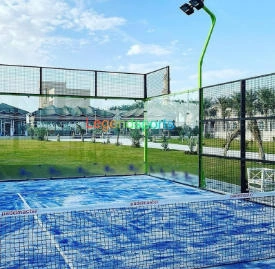
レッドゾーンでは、防衛はショットを選ぶ道をリードします。プレイヤーは高いロブに頼るべきです。これらは反対派を押し戻す。ネットコントロールを取り戻す時間も与えます。低い安定したドライブもここで重要です。シンプルなミスを避け、ラリーを続けるのに役立ちます。
例えば、A の基準点から クラシック堕落球場pd 01 bプレイヤーは安定した壁の行動から利益を得ます。この裁判所は標準的な20m x 10mの表面を持っています。信頼性の高いバウンスのために12mmの厚さの強化されたガラスパネルを使用します。だから、防御のためにロブやドライブを行うとき、壁は予測可能な方法で動作します。
オレンジゾーンで圧力を維持するためにどのような戦術を使用すべきか?
オレンジゾーンには、迅速な選択やプレイが必要です。長いドライブと短いボレーの間を切り替えると,安定した圧力を維持できます.プレイヤーはスマートスポットを目指すべきです。これには、弱い応答を強制する角やスポットが含まれています。そのような目的は、相手をシフトするのに役立ちます’Sの位置。
中間のスペースをよく利用することで、チームが進歩することができます。同時に、彼らは自らの防衛を持っています。裁判所のような強化されたガラスパネルからの安定したバウンス マックスプロパノラマパデルコート-PD03 プレイヤーを助けます。ボールパスをよりよく読むことができます。したがって、彼らはこれらのスマートショットを慎重に行うことができます。
ネットの近くのグリーンゾーンからの攻撃を最大限にするには?
グリーンゾーンでは、大胆な姿勢を取ります。オープンスポットを目指す速いボレーやライバルがバランスを失ったときにクラッシュは重要です。エンドポイントを迅速に助けます。
ネットスポットは、あなたがしばしばゲームを設定する場所です’スペース。スマートパドルCourt-PD04Eは,LEDスコアリングと追跡ツールを組み込み,即座にフィードバックを提供します.これは、プレイヤーがネットモーブを強化するのに役立ちます。これはライブデータレビューを通じて行われます。
なぜ中級プレイヤーはパデルコートのマスタリーと闘うのか?
防御的な位置から攻撃するときの一般的な間違いは何ですか?
中間プレイヤーが行うメインスリップは、レッドゾーンの遠方からスマッシュを試みることです。これは通常、シンプルなエラーや対手に簡単な回答をもたらします。それはゾーンベースのショットピックに対する把握の欠如を示しています。
もう一つの問題は、ゾーン間のシフト中のボールの高さとタイミングの間違った判断です。スペースとショットセットアップの良い感覚がなければ、プレイヤーはストロークのタイムが悪くなる可能性があります。あるいは、ライバルカウンターにオープンを残すかもしれません。
ネットプレイの利用不足があなたの利点を制限する方法は?
中級プレイヤーはしばしばネットチャンスを見逃し、特にグリーンゾーンの良い場所では。これにより、エンドポイントでショットが失われます。
さらに、壁のバウンスの弱い推測(特に特特特固化されたガラスから)は、ショットセットアップを混乱させることができます。A について プロパノラマパデルコート PD04、12mmの厚い強化されたガラスパネルはスマートなプレイのための安定したバウンス行動を与えます。スキルプレイヤーは壁の道を期待します。これにより、攻撃圧力を維持することができます。
パデルテニスコートでの運動とチームポジションはどのようにマッチの結果を改善できますか?
前進と後退の効果的な戦略とは?
一致するチームの動きは、すべての裁判所のバランスを維持するための鍵です。一方のプレイヤーが攻撃するために前進すると、そのパートナーはすぐにシフトする必要があります。これは開かれているすべての穴をカバーします。
これらのシフトを相手と一致する’s ショット ピック makes sure you’間違った足で捕まらない。また、不必要なプルバックを避ける。簡単な動きの流れはカバージェを高めます。プレーヤーがより良いコートを持つことでラリーを支配することができます。
ネットカバージェはゲームフローの制御にどのような影響を与えるのでしょうか。
ネットで強い保持は相手をカットダウン’応答時間。また、射撃の選択肢を縮小します。このスポットを支配すると、プレイヤーはスピードとパスを設定できます。
パートナー間のカバージェを切り替えることは、防衛の穴を切り除く。これはボレーやスマッシュに行くときに起こります。LEGEND SPORTSコートの構築はこれらの動きを裏付けています。より良い視力のために強い照明設定を追加します。これは、プレイヤーがシフトを明確に予測するのに役立ちます。
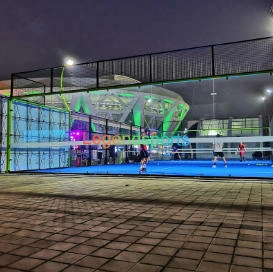
パデルのパフォーマンス向上における裁判所建設の役割は何ですか?
なぜ強化ガラスは現代の屋内パデルコートに不可欠なのでしょうか?
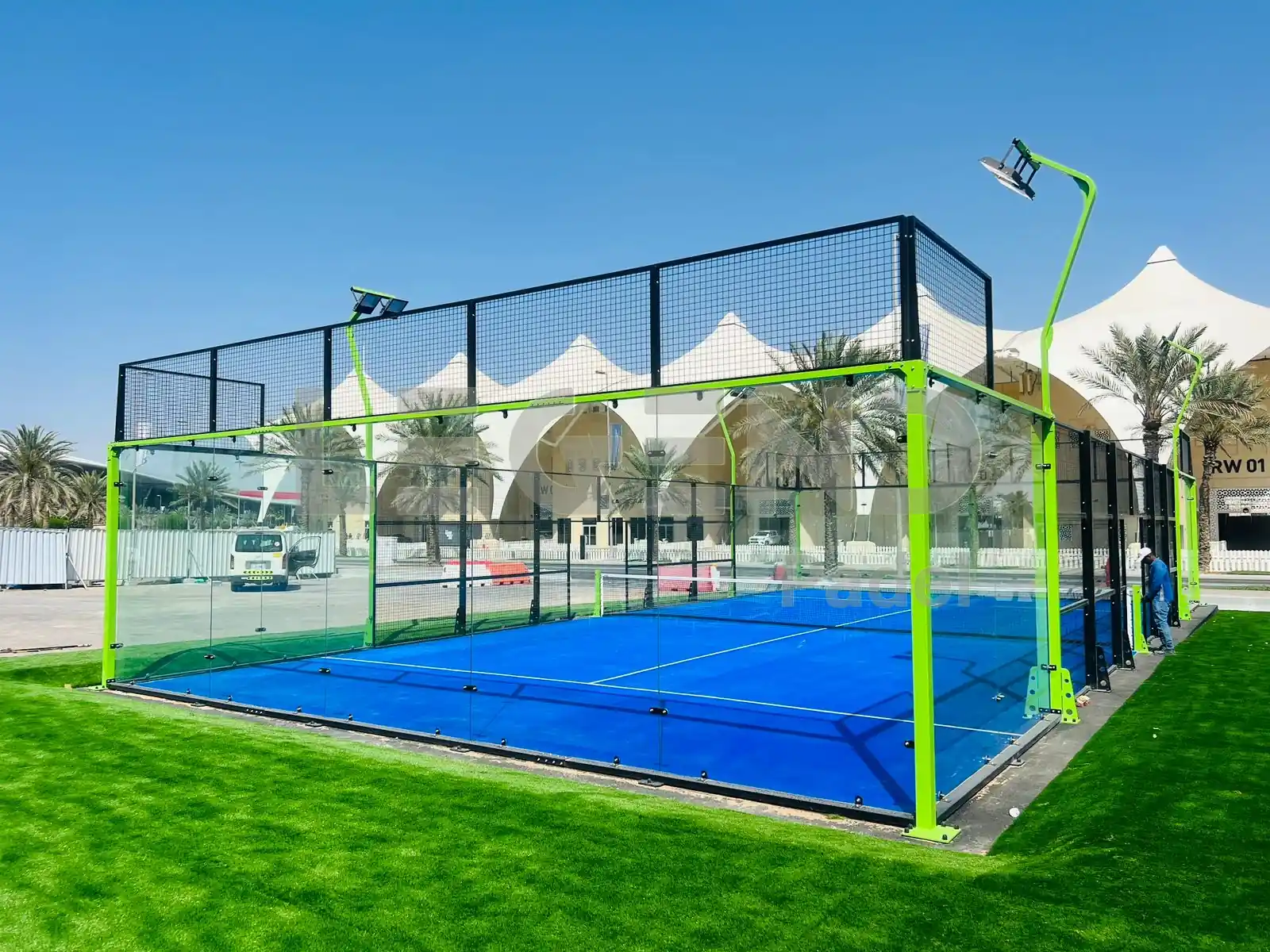
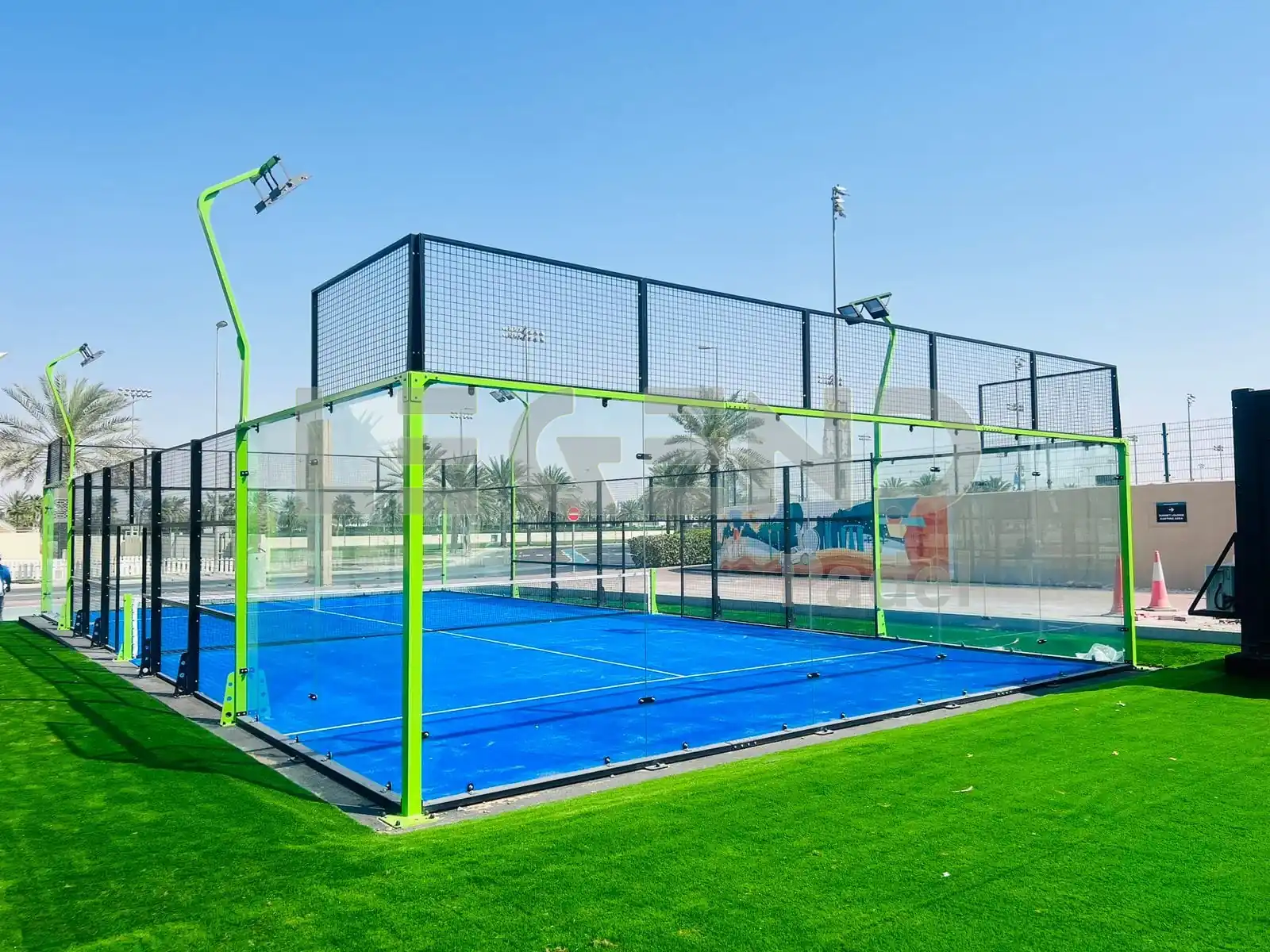
強化されたガラスは今日の主要な部分を形成します’パデル裁判所の建物。安全性とプレイ価値という二つの役割を果たしています。強化されたガラスは良く重量を持っています。それが壊れたら、锋利な側面がない小さな安全なビットに変わります。プレイヤーにとっては、安定したボールバウンスを与える。これらはすべてのゾーンでショットをうまく計画するのに役立ちます。
室内パデルコートデザインの現在の革新は何ですか?
柔軟な鋼鉄フレームやより良いライトなどの新しいアイデアは、パデルコートの動作方法を変えました。柔軟な構造は設定を迅速に移動させます。これは、イベントやサイトの変化のニーズに適しています。
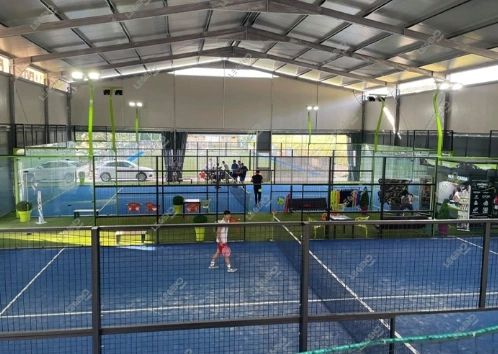
6500K色温で300 Luxを与える強い照明を追加することにより、明確な視力を確保します。プレイヤーは、時間や内部セットアップに関係なく、正確なプレイのためにこれを得ます。
LEGEND SPORTSはどのようにパデルコートソリューションのイノベーションをリードしているのでしょうか?
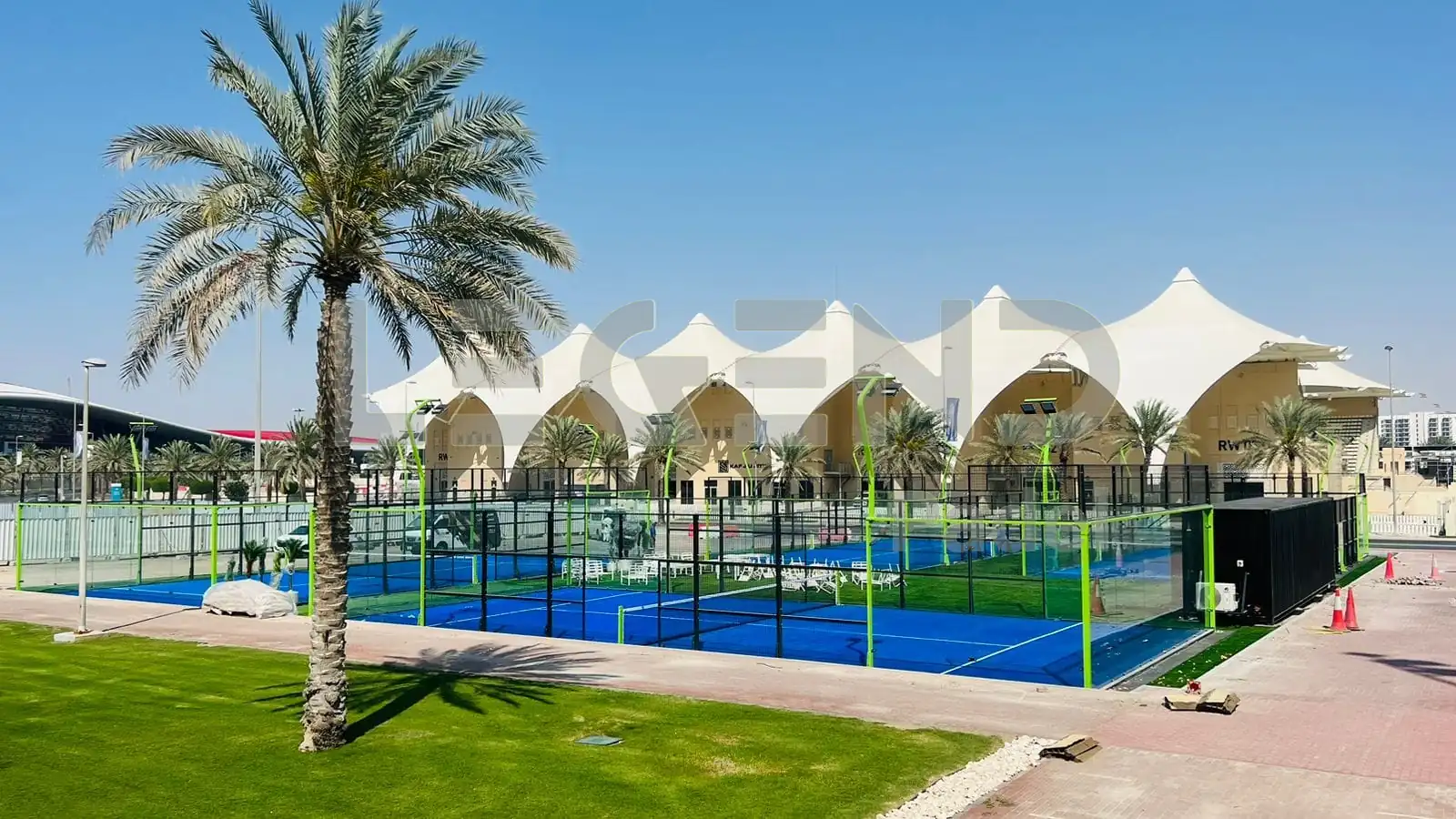
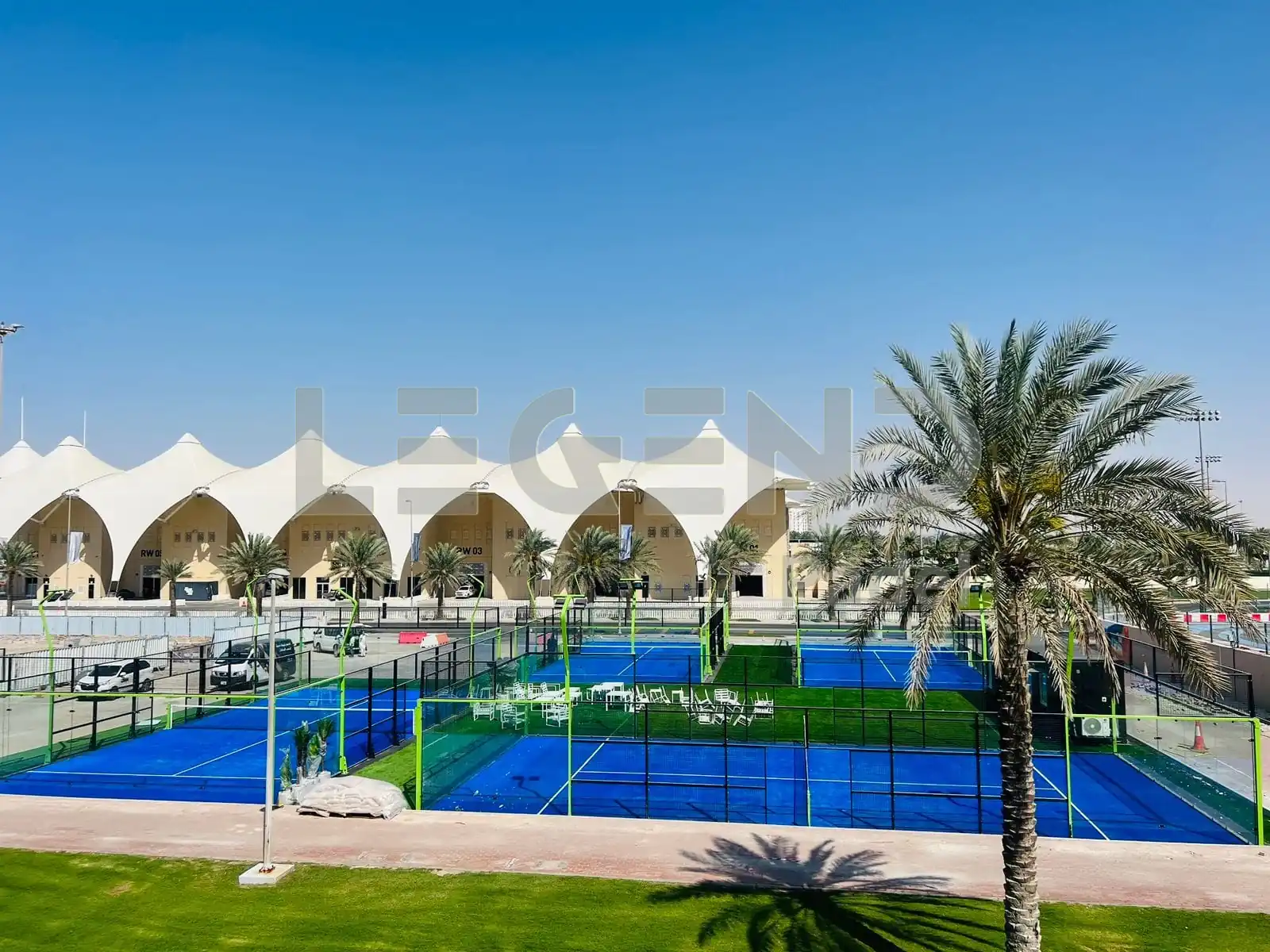
強化されたガラス壁のみでトップの屋内パデルコートセットアップを提供します。コンクリートはどこにも見えない。この選択は安定したプレーを強化し、良く見える。
LEGEND SPORTSは,ハイエンドスポーツフローア,ライトシステム,オーダーメイドアスリーティックサラウンドを組み合わせています.私たちは各job’のために適した完全なカスタムのパデルセットアップを与えることを目指しています;Sの必要性80カ国以上に出荷するノウハウと世界中の6,000以上のセットアップを持つLEGEND SPORTSは、この分野をリードし続けています。私たちは新しいアイデアと堅実な仕事でこれを行います。
FAQについて
Q:パデルテニスコートを選ぶときに考慮すべき主要な特徴は何ですか?
A: 12mmの強化されたガラスのような高品質の材料を探してください。リバウンドの一致性、長寿命のための耐久性のある鋼鉄構造、UNE 41958 INのような国際基準に合致する認定された人工芝生。
Q: どのタイプのパデルテニスコートが屋内使用に最適ですか?
A: スマートパドルコートPD04Eのようなコートは,電気ドア,LEDスコアシステム,ユーザー体験を向上させる統合された再生モニタリングなどの機能により,屋内設定に最適です.
Q: パデルテニスコートのデザインはゲームのパフォーマンスにどのような影響を与えますか?
A: よく構築されたパデルコートは,リバウンドの予測性,照明の明確さ,および全体的な安全性を向上させます.
Q: パデルテニスコートにカスタマイズされたオプションはありますか?
A:はい、LEGEND SPORTSは各プロジェクト’に合わせた構造の色、草のタイプ、ブランドのロゴ、およびガラスの変体(強化またはラミネート)を含む完全にカスタマイズされたソリューションを提供します。Sの要件。
Q: パデルテニスコートのコンクリート壁より強化されたガラスが好ましいのは何ですか?
A: 強化されたガラスは,プレイヤーと観客の両方の視野を向上させ,すべてのゾーンで戦略的なゲームプレイにとって重要な均一なボールバウンス特性を提供します.