

Entender a Dinâmica do Padel Court para Avantagem Tático
Dominar a Zona da Rede através da consciência espacial
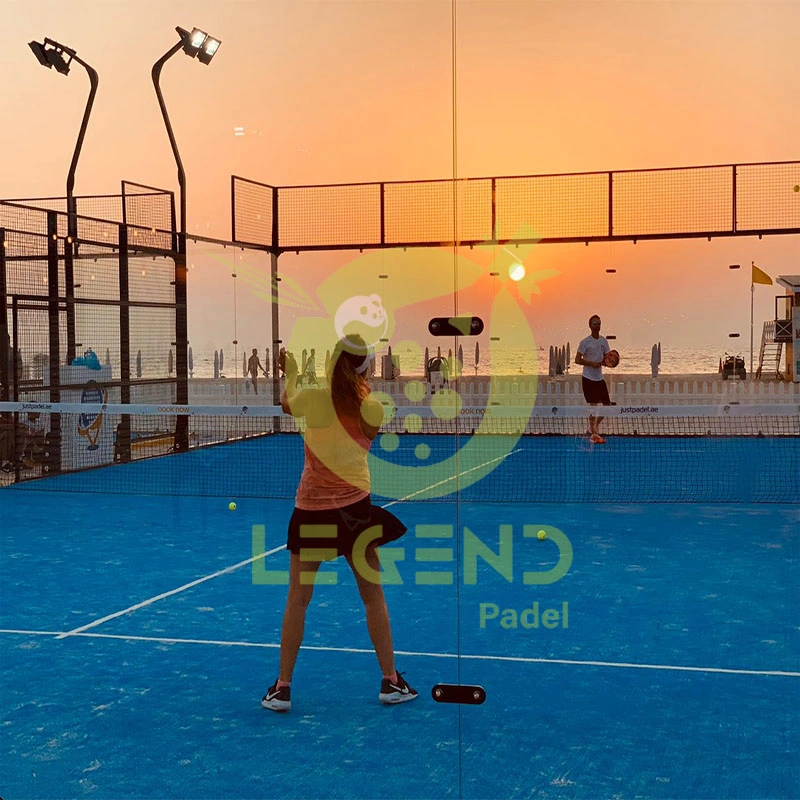
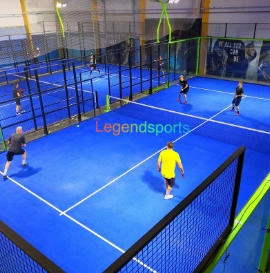
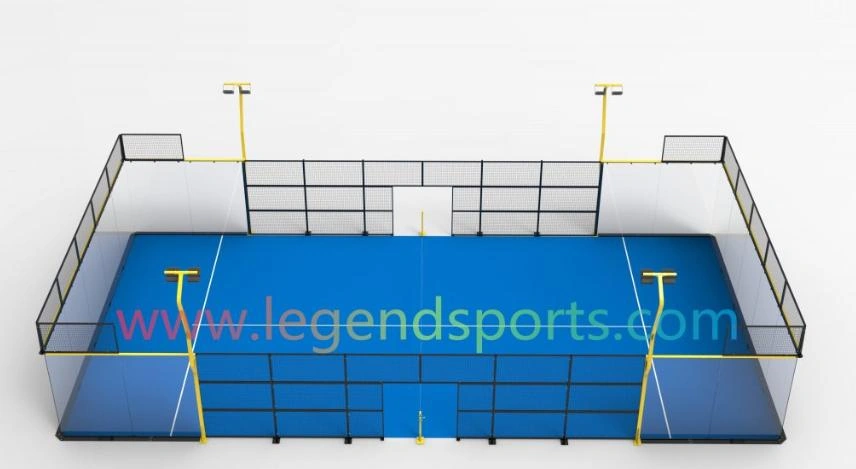
O posicionamento eficaz da rede é a pedra angular da estratégia avançada de padel, exigindo que os jogadores entendam a geometria do tribunal de regulação para fechar ângulos sistematicamente. Dominar a rede envolve controlar o “ T” - zona e mudar lateralmente como unidade coesiva, utilizando a área de concorrência completa de 20 m (comprimento) x 10 m (largura) para sufocar os retornos do oponente. Os jogadores avançados reconhecem que essas dimensões específicas ditam que a equipe na rede tem a vantagem ofensiva, desde que mantêm um espaço adequado para cobrir o centro e os tiros paralelos. O treinamento em tribunais normais como nosso Classic Padel Court-PD01B assegura que os jogadores desenvolvam a consciência espacial precisa para padrões internacionais de concorrência.
Controla a Zona de Transição e a Linha de Serviço
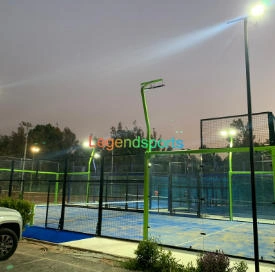
Tratando do “ zona de transição,” or “ nenhum homem s-land,” Importa muito para transformar a defesa em ataque. Este ponto fica entre a linha de serviço e o vidro de trás. Os jogadores devem decidir rápido. Elas deveriam avançar para jogar uma bola curta? Ou voltar para a parede? Essas rápidas escolhas precisam de vista clara. É por isso que nossos tribunais têm 200 luzes LED. Eles dão 300 Lux para cortar sombras em pontos-chave. Governar esta área média significa que você fica pronto. Você pode mudar suavemente de defesa dura para ataques corajosos.
Mastering the Glass Walls: Turning Defense into Offense
Ler a Rebound em 12 mm Tempered Glass
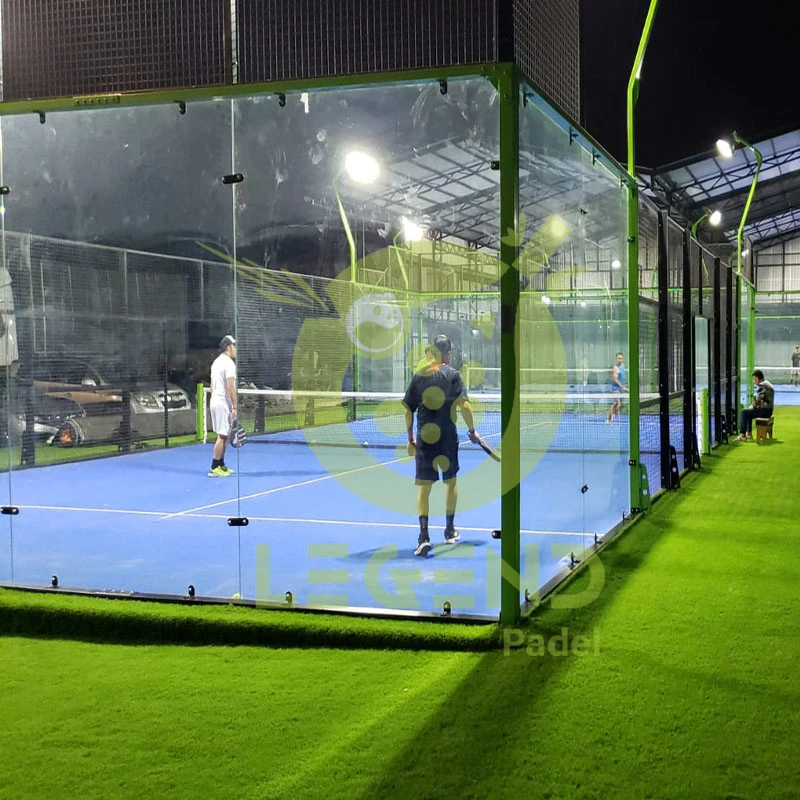
A física da interação de bola com vidro temperado de alta qualidade é uma variável fundamental que os jogadores avançados devem calcular instantaneamente para executar o “ Salida de Pared” ou tiro de saída da parede. Ao contrário das cercas ou superfícies irregulares, paredes profissionais de corte de padel são geralmente feitas de vidro temperado, o que proporciona uma recuperação consistente e previsível essencial para jogo de alto nível. Essa consistência é melhor experimentada em tribunais primários como nosso Pro Panoramic Padel Court PD04que utiliza vidro temperado de 12 mm conforme aos padrões EN12150-1. Confiar na uniformidade do rebound permite aos jogadores deixar a bola passar, reposição e atacar com poder, transformando uma situação defensiva em um contra-ataque vencedor.
Utilizando os cenários da parede dupla
A posição defensiva avançada alcança seu pico de complexidade quando lida com cenários de parede dupla, onde a bola se ricocheta tanto das paredes laterais como das costas. - Navegando com sucesso um “ Doble Pared exige não apenas ler a trajetória inicial, mas também confiar na integridade estrutural dos cantos do tribunal para proporcionar um verdadeiro salto. Os concorrentes de alto nível utilizam esse conhecimento para girar a bola nos cantos intencionalmente, forçando seus oponentes a decifrar ângulos difíceis. Essa complexa interação é facilitada por projetos modernos de tribunais, como nosso Extreme super panoramic fall court -pd06o que minimiza a obstrução visual nos cantos, assegurando que os jogadores conseguem rastrear a bola. o caminho contra o vidro sem interferência estrutural.
Optimizar o trabalho de pé em superfícies modernas
Adaptar o Movimento à Torfa Artificial Texturada
Estratégias modernas de padel são fortemente influenciadas pela tração e velocidade fornecidas por campo artificial texturado, que difere significativamente das superfícies mais velhas e pesadas com areia. A evolução da tecnologia da terra, especificamente o filamento texturado usado em circuitos profissionais, exige que os jogadores adaptem seu trabalho de pé para equilibrar as capacidades de deslizamento com aceleração explosiva. Na superfície de alto desempenho, a interação entre o sapato e o campo de alta densidade – muitas vezes superior a 46.200 pontos por metro quadrado – permite parar precisamente sem o risco de bloquear o joelho. Os jogadores devem aprender a confiar nesta captura para correr rápido para a rede, utilizando slides controlados para alcanços defensivos nos cantos.
Coordenação e Sincronização com seu parceiro
Movimento sincronizado, muitas vezes visualizado como o “ Teoria das cordas,” Dita que os parceiros devem se mover como se estivessem unidos para cobrir as lacunas judiciais eficientemente. Quando um jogador se move lateralmente para cobrir um ângulo largo, o parceiro deve instintivamente fechar o centro, mantendo uma concha defensiva que é difícil de penetrar. Para analisar e perfeitar essa sincronização, instalações avançadas de treinamento estão cada vez mais adotando tecnologia como nossa Smart Padel Court PD04Eque apresenta um sistema integrado de pontuação LED e monitoramento da reprodução. Isso permite aos pares revisar seus padrões de movimento pós-coincidência para identificar lacunas em sua formação, assegurando que os oponentes nunca vejam uma abertura clara.
Elevating Aerial Play: Lobs, Smashes, and Visibility
A Art of the Perfect Lob and Ceiling Height
O lobo é provavelmente o tiro táctico mais importante no padel, e sua eficácia está intrinsicamente ligada à distância vertical do ambiente de jogo. Um lobo perfeitamente executado for ça oponentes longe da rede, mas isso requer uma altura do telhado interior de pelo menos 8 metros, com 9 a 12 metros sendo recomendados para os tribunais de concorrência. Os jogadores avançados utilizam este espaço vertical para jogar lobos altos e profundos que morrem nos cantos traseiros. No entanto, o sucesso desta estratégia também depende da colocação ótima de iluminação; - pontos cegos ou brilho podem arruinar o rastreamento de uma bola alta. Portanto, entender o ambiente geral permite aos jogadores explorar o “ globo” inteiramente, usando-o não apenas como um reinicio defensivo, mas como uma arma.
Executando a Bandeja e a Vibora com precisão
Fotos intermediários como a Bandeja e a Vibora são ferramentas essenciais para manter a posição na rede sem se comprometer a um fracasso de poder completo. Esses tiros técnicos requerem manejo preciso de raquete para entregar pedaços ou giro lateral, mantendo a bola baixa depois de rebondar da malha de vidro ou fio. A interação com a cerca do perímetro é particularmente eficaz quando a malha de aço é robusta e suave. Nossas estruturas utilizam a ço SPHC prémio processado para uma finalização suave, assegurando uma interação coerente das malhas. Ao dominar essas manobras aéreas, os jogadores podem manter seus oponentes presos contra o vidro de trás, esperando a oportunidade perfeita de terminar o ponto.
Por que os tribunais LEGEND SPORTS são engenheiros para o Performance Elite
Premium Tempered Glass for Consistent Ball Rebound
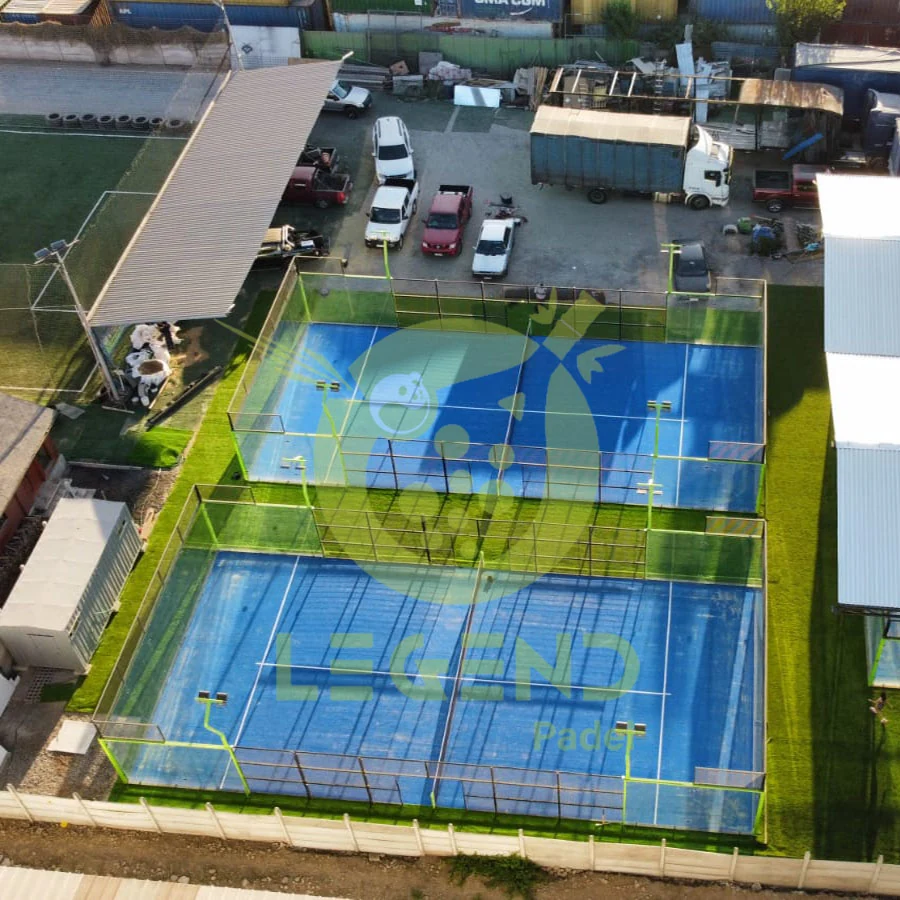
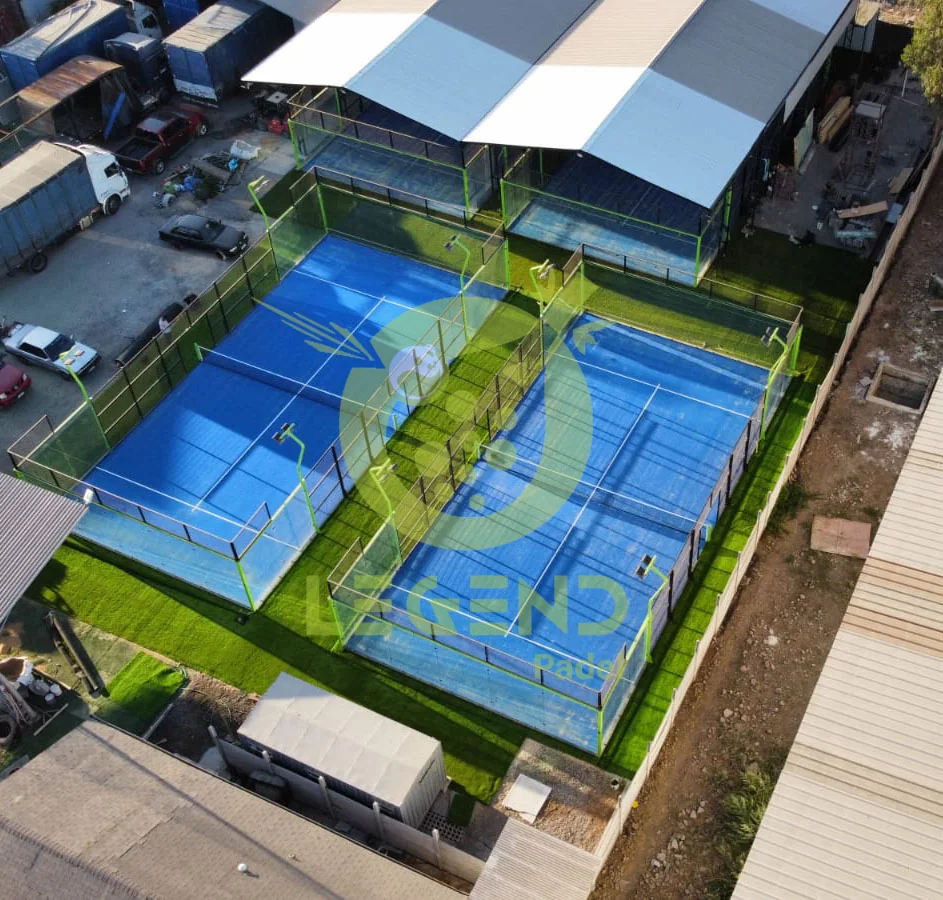
Para fazer as tácticas de parede de que falamos, os jogadores precisam de um tribunal que prometa segurança e trabalho constante. É por isso que nossos clubes Pro Panoramic Padel Court-PD04 procuram uma melhor qualidade. Este tipo tem vidro fino temperado de 12 mm que segue as regras EN12150-1. Faz a bola saltar mesmo em todas as partes da parede traseira. A visão ampla corta blocos de visão entre painéis. Os jogadores têm uma visão clara para rastrear bolas rápidas. Ao escolher um tribunal com melhor vidro, as cabeças de clubes asseguram-se de que os membros podem treinar e fazer fotos de parede com plena confiança.
Turf Artificial Profissional para a Optima Segurança dos Jogadores
Passos fortes começam com o solo. é qualidade. Nossos tribunais têm campo pro-nível que copia as principais configurações de partidas. Usamos campo artificial de filamentos texturados de alta qualidade de 12 mm a 46.200 pontos por metro quadrado. Ela equilibra segurança e slide para jogos duros. Este campo tem duplo apoio PP PU para for ça duradoura. Ele reduz o risco. Nós também damos escolhas de cores, como azul, verde, rosa, vermelho e negro. Clubes podem combinar o aspecto da corte com seu estilo enquanto mantêm alto jogo.
Inovações do Smart Court para treinamento e análise
Para clubes e jogadores dedicados a dominar as nuanças estratégicas do jogo, nosso Smart Padel Court-PD04E integra tecnologia avançada para facilitar uma melhoria rápida. Este modelo é o mundo a primeira corte de padel inteligente com um sistema de pontuação LED integrado e uma função de monitoramento de reprodução, permitindo aos jogadores revisar suas decisões de posição e táctica imediatamente após um jogo. Com 17 anos de experiência de desenvolvimento e fabricação, LEGEND SPORTS entende que instalações esportivas modernas requerem soluções inteligentes. O PD04E incorpora nosso compromisso com a inovação, combinando estruturas de aço robustas com ferramentas digitais que melhoram a experiência do usuário.
FAQ
Q: Como escolho o melhor fabricante de palestra para um clube comercial?
A: Priorizar empresas com experiência de exportação extensa e capacidades de fábrica direta para garantir qualidade e personalização. O esporte LEGEND foi estabelecido desde 2007 e as exportações para mais de 60 países, assegurando que os padrões internacionais são cumpridos. - Um fabricante confiável deve oferecer serviços de personalização abrangentes e possuir sua própria R&D; equipe D.
Q: Quais são os benefícios de um tribunal panorámico contra um tribunal padrão?
A: Cortes panorâmicas, como o Pro Panorâmico Padel Court-PD04, oferecem visibilidade superior tanto para jogadores como espectadores, removendo colunas de aço vertical entre painéis de vidro. Este design melhora o apelo de radiodifusão e permite aos jogadores uma visão mais clara da bola contra o vidro, o que é crucial para estratégias avançadas de parede.
Q: Qual é a altura ideal do teto para instalar um campo de padel interior?
A: A altura recomendada do telhado interior é maior ou igual a 8 metros, com uma altura de 9 a 12 metros necessária para tribunais de concorrência profissional. Essa distância é crítica para permitir jogo aéreo avançado, especificamente lobos altos, sem a bola atingir o teto.
Q: Por que é recomendado vidro temperado de 12 mm para os campos de padel?
A: vidro temperado de 12 mm é o padrão da indústria porque oferece o equilíbrio óptimo de segurança, durabilidade e recuperação coerente da bola. Ela cumpre o padrão de segurança EN12150-1 e fornece a massa necessária para devolver energia à bola efetivamente, evitando o “ mortos - sentimento de vidro mais fino.
Q: Posso personalizar as cores da estrutura artificial de campo e aço?
A: Sim, lidar com uma fábrica direta permite mudar muito. Escolha sombras de campo como rosa, verde, azul, vermelho e negro. Além disso, escolha acabamentos de aço. O esporte LEGEND oferece isto para se adaptar aos gostos locais.