


Navigação em Padel Court Industrial Trends para 2026
Analisando a Transição de Quantidade para Experiências de Qualidade
Os proprietários de clubes e os investidores precisam ver que o mercado mundial de padel cresce rápido quando se aproxima de 2026. Relatos recentes, como o relatório Global Padel de 2025, mostram uma mudança clara. A taxa de retorno dos jogadores agora serve como o principal sinal da vitória dos negócios. Lugares que focam em configurações sólidas sobre simples obtêm reservas repetidas muito mais elevadas. Essa mudança mostra que escolher um fabricante vai além do custo mais barato. Significa obter equipamentos que dão sentimento a um jogador superior. Por sua vez, isso assegura ganhos do clube com o tempo.
Impacto dos padrões globais de certificação sobre a ROI
O retorno do investimento em instalações esportivas liga mais às regras mundiais da FIP (Federação Internacional de Padéis). O jogo visa pontos em grandes eventos mundiais. Isto inclui planos para os Jogos Olímpicos de 2032. Os tribunais agora devem atingir a segurança e jogar regras para permanecer úteis em 2026. Um fabricante a habilidade em cumprir essas regras estritas aponta para o futuro valor. Isso assegura que seu lugar pode organizar eventos conhecidos. Também desenha jogadores reais que querem configurações pro-níveis.
Avaliar Materiales Essenciais de Construção do Tribunal de Padel
Durabilidade da Estrutura de Aceiro e Tecnologias Anti-Rust
A força de construção faz a base de qualquer corte de palco de negócios. Isso vale para os pontos externos abertos a mudanças climáticas. Os bons tribunais usam formas de aço espessas. Eles frequentemente têm tubos de espessura de 3 mm. Estes são tratados com um pulverizador de duas camadas para parar a roupa. SPORTS LEGEND usa este método de construção exato. Ela mantém o quadro metal livre de raíz e firme por anos. Isso reduz os custos de manutenção a longo prazo. Ele bate em quadros pintados básicos.
Especificações de espessura e segurança de vidro temperado
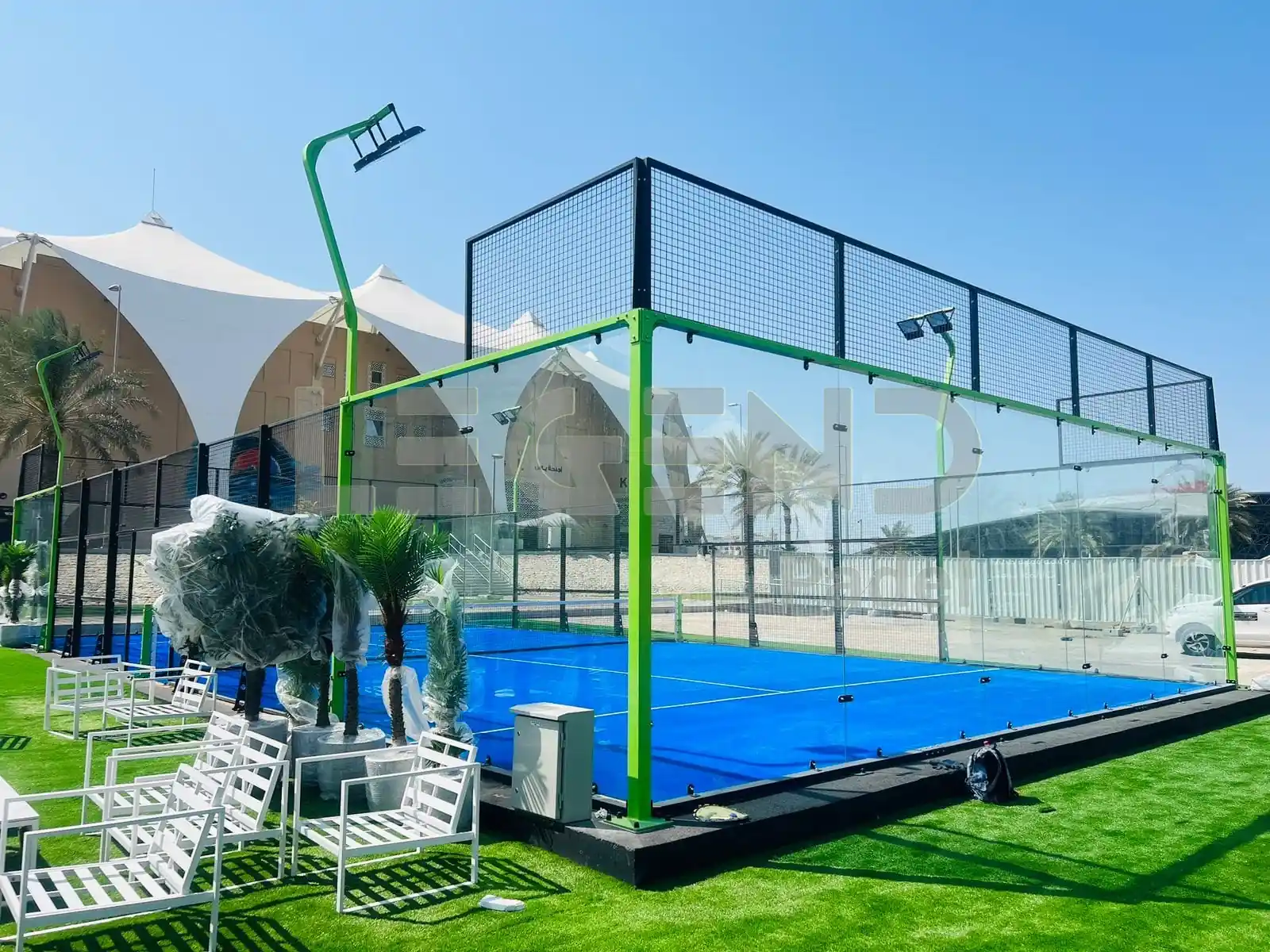
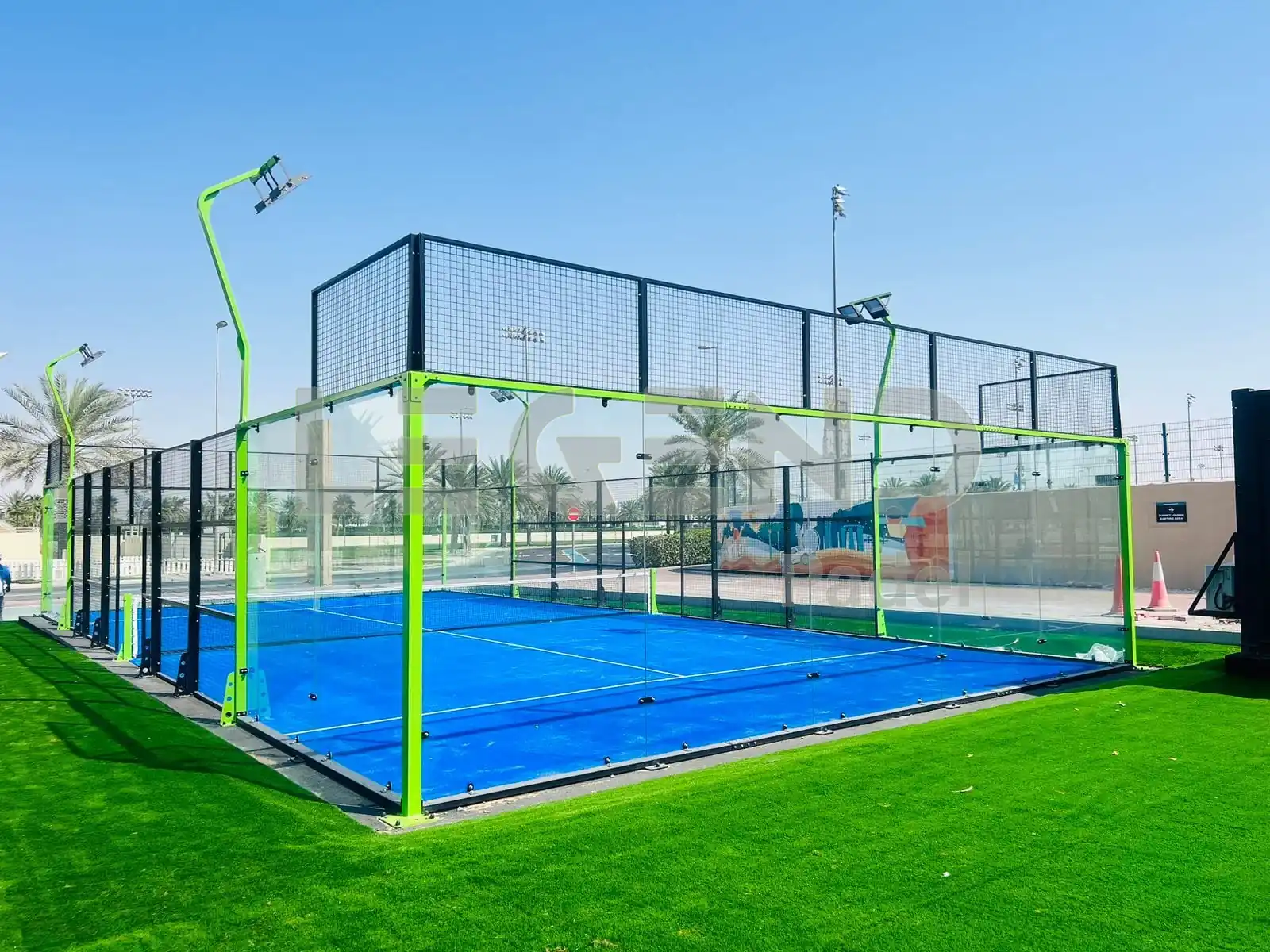
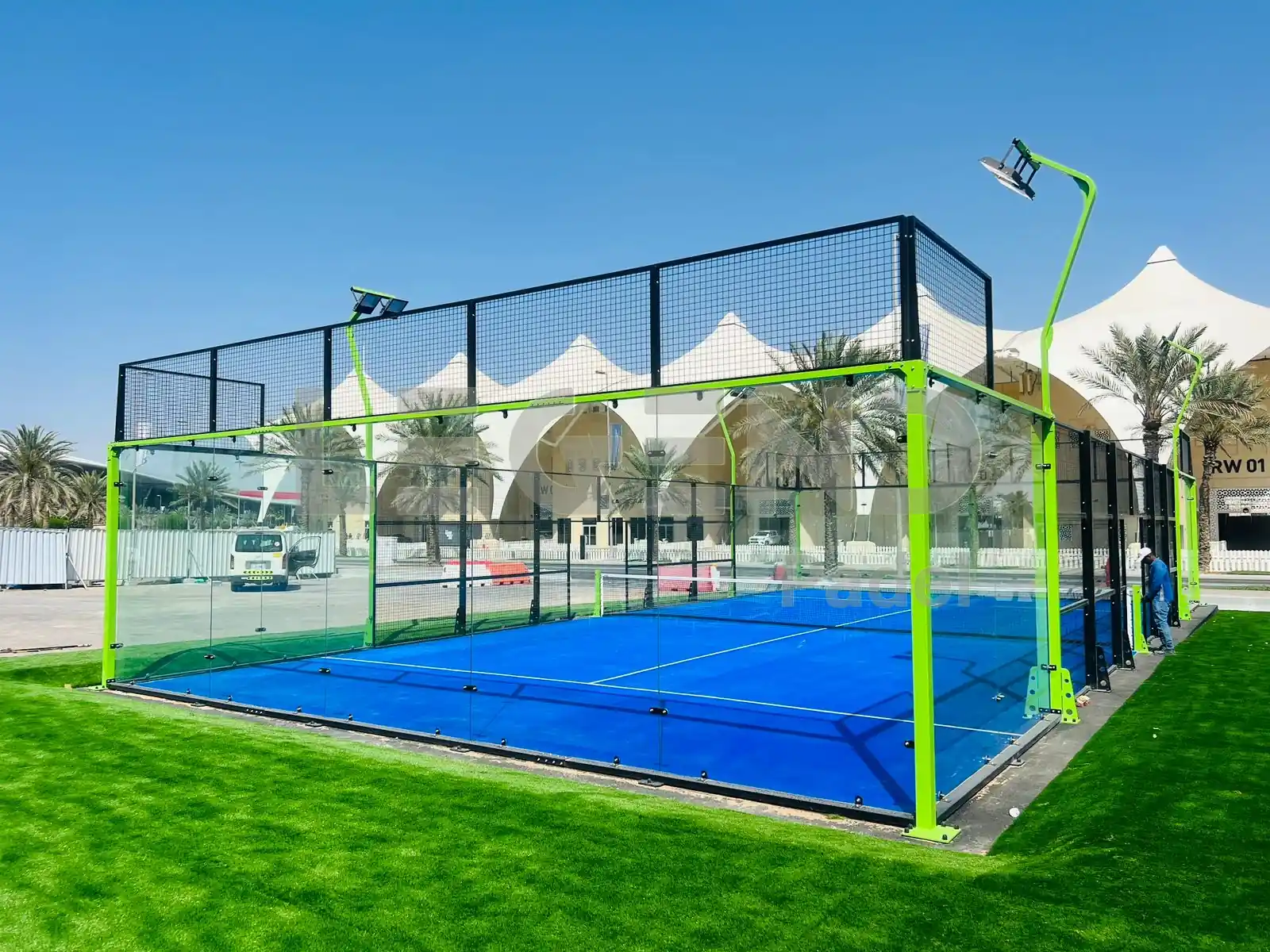
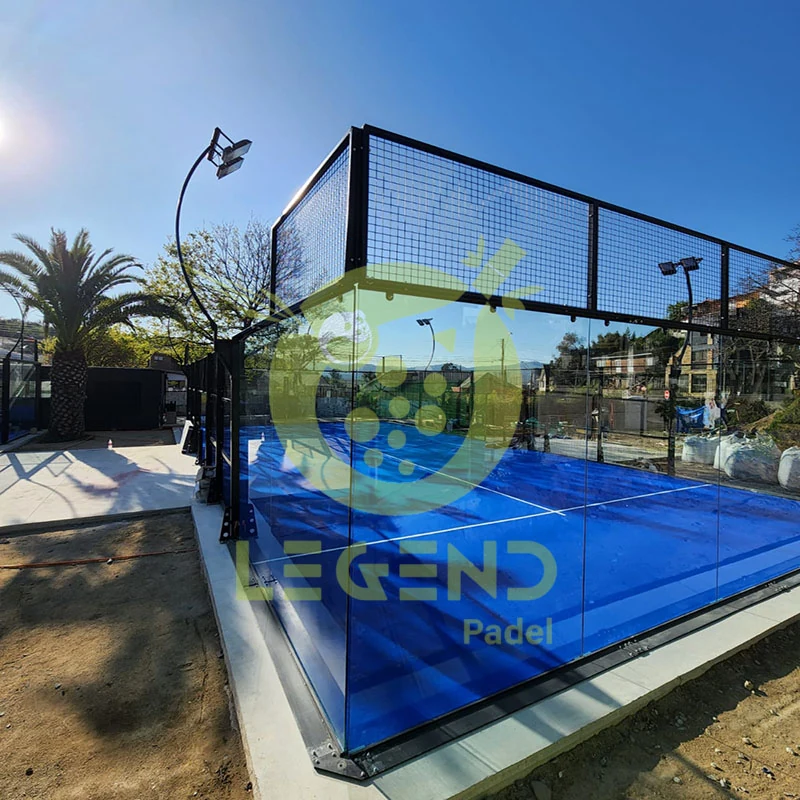
As paredes atuais do palco usam apenas vidro e redes de aço fortes. Eles saltam o concreto inteiramente. Isso dá visão completa e um bom olhar. A norma para a segurança é de vidro temperado de 12 mm. Ela contém batimentos melhores que tipos baratos de 10 mm em tribunais de baixo custo. Usando vidro de 12 mm, como no topo Extreme super panoramic fall court -pd06, aumenta a segurança dos jogadores em jogos difíceis. Também dá visões claras para assistentes e alimentações ao vivo. Esse traço chave se encaixa agora em clubes.
Opções de Turf de Alto Performance para o Comforte dos Jogadores
Escolhar o chão tem um grande papel. Ele afeta o ritmo do jogo e o cuidado articular do jogador. Uma erva falsa difícil vence os tipos antigos. Ela dá melhor segurança e precisa de menos mudanças de areia. Um fabricante superior da corte dá detalhes claros sobre a erva. Estes incluem altura de 12 mm e um número de pontos estreito. Essas especificações asseguram saltos de bola constantes. Eles também reduzem o risco de dano. Isso faz uma área de jogo profissional que se adapta a todos os grupos de habilidades.
Capacidades de personalização para atender às necessidades da Facilidade
Apelação visual e funcionalidade panorámica contra tribunais clássicos
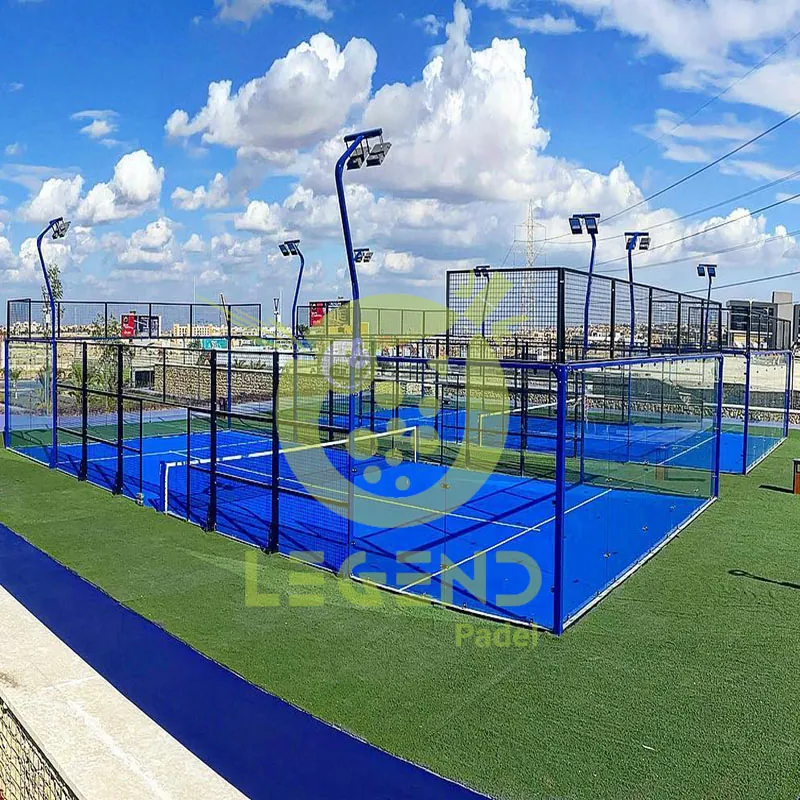
Os líderes de lugar muitas vezes pesam os tribunais de exibição contra os de treinamento básico. Eles fazem isso para ajustar o orçamento e o desenho de visão. O modelo Panorámico Padel Court salta postos laterais em zonas de vidro. Ela oferece vistas suaves, de estilo cinematográfico. Isto se adapta a eventos que acabam ou pontos principais. Por outro lado, estilos básicos dão um forte uso para o trabalho diário. Um bom vendedor deve dar ambas as opções. Isso permite que as cabeças de clubes construam um layout feito. Divide áreas de alto livro de zonas de jogo normais.
Soluções interiores contra exteriores com tetas resistentes ao tempo
O manejo meteorológico representa uma tarefa chave para execuções de todo o ano. Assim, adicionar instalações de telhado se torna uma necessidade em muitos pontos. Quando verificar vendedores, vejam se eles dão um Padel Court com um telhado construído. Aqui, a altura do telhado deve ser pelo menos 8 metros. Para as regras de concordância, ela aumenta para 12 metros. Isso evita bloquear disparos altos. Esses picos de telhado protegem a rede e o vidro do mal tempo. Eles também mantêm o dinheiro fluindo em tempos chuvosos. Isso importa para dinheiro constante.
Optimizar o Espaço com Designs Single Padel Court
Aumentar o ganho por metro quadrado precisa de um novo uso de pontos não utilizados em lugares esportivos ou construções de terra. O Smart Padel Court PD04E, feito para 1vs1 jogar, toma um pequeno espaço de 20m x 6m. Ela encaixa em áreas estreitas onde um par normal de tribunais não pode ir. Isso permite aos apoiantes ganhar de todos os lugares em sua terra. Isso serve como uma form a de trabalho solitário ou prática de habilidades. Essas tendências crescem no crescimento dos jogadores.
Avaliar a confiabilidade dos fornecedores e apoio pós-vendas
Verificação da Experiência de Fabricação e Certificações ISO
Dizer a uma empresa comercial de uma fábrica de construção real é o primeiro passo de risco no mundo compra. Fabricantes com longos passados, como mais de dez anos, geralmente possuem certificados verdes ISO9001 e ISO14001. Essas marcas mostram que os passos de construção, desde corte de matéria prima até embalagem final, seguem regras rigorosas de verificação. Assim, o item final em seu lugar corresponde às especificações do acordo.
Gestão Logístico e Serviços Internacionais de Navegação
O mundo precisa de um ajudante habilitado em caminhos de navegação difíceis. Isso vai além de um vendedor que entrega o movimento para você. - Enviadores qualificados lidam com a tarefa completa. Eles movem grandes partes construídas e vidro suave para pontos marinhos bem próximos. Essa habilidade mantém os tempos em caminho. - Detenções em regras ou navios podem arruinar os planos de começo e anuncio do clube.
Orientação de manutenção a longo prazo para a longevidade do tribunal
Ajuda após a configuração muitas vezes separa bons vendedores de grandes. Os fabricantes sólidos dão passos simples de manutenção. Essas coberturas cobrem comprobações apertadas, areia limpa e aparência do sistema luminoso. Ao fazer essas pontas básicas mas chaves da plant a, as cabeças de lugar podem estirar muito a vida do tribunal. Isso mantém o equipamento em forma superior para 2026 e mais tarde.
Por que LEGEND SPORTS é seu parceiro confiável para 2026
17 anos de excelência na fabricação de equipamentos deportivos
Começou em 2007, LEGEND SPORTS cresceu para um fabricante superior. Tem um grande local de construção de 66.000 metros quadrados e mais de 220 trabalhadores constantes. Esse longo tempo de campo significa uma clara compreensão de muitos detalhes. Isso assegura que cada tribunal atinge os níveis mais fortes e de trabalho para agora lugares de negócios.
Soluções Comprensivas de um Parem de Design para Exportar
Tratar distúrbios de fonte fica fácil com um serviço de ligação completo. Ela cobre planos de trabalho, construção e vendas mundiais. As mercadorias vão para mais de 60 terras em 6 massas de terra. A empresa conhece várias exigências e regras do mercado. - necessidades. Se você precisa de um tribunal único especial para um quintal domiciliar ou de um conjunto completo de tribunais panorâmicos para negócios, escolhas feitas a medida certifice-se de que seu plano se concretiza sem cortes.
compromisso com normas de qualidade e segurança global
Pegando em “ Quality First” é apoiado por listas fortes de certificação, como ISO9001, e está plenamente em conformidade com as regras mundiais de segurança. De postos de aço exatos para vidro forte de 12 mm, cada parte passa por testes duros. Esta promessa significa que comprar de LEGEND SPORTS é mais do que comprar. Ela forma uma ligação inteligente para os negócios a longo prazo ganha no crescente campo de padel.
FAQ sobre a Seleção do Padel Court
Q: Quais fatores determinam o melhor fabricante de palela para um clube comercial?
A: Os fatores mais críticos são o fabricante’ a experiência (anos de negócio), a qualidade dos materiais utilizados (como vidro temperado de 12 mm e aço anti-rosa), e sua capacidade de fornecer “ personalizado soluções. Uma fábrica de fontes diretas com certificações ISO garante melhor controle de qualidade e durabilidade a longo prazo em comparação com empresas comerciais genéricas.
Q: Qual é a altura do teto recomendada para um campo interior com telhado?
A: Para uma experiência de jogo confortável que acomoda fotos de lobo, a altura mínima clara recomendada é de 8 metros. No entanto, para instalações destinadas a acolher competições oficiais ou jogos de alto nível, uma altura de 9 a 12 metros é preferida para cumprir padrões internacionais.
Q: Como escolho entre um tribunal panorâmico e um tribunal clássico padrão?
A: A escolha depende da sua instalação’ o propósito e o orçamento. Os tribunais panorâmicos de Padel oferecem visibilidade superior e são ideales para tribunais centrais, lugares de torneio, ou aumentando a sensação primária de um clube. Os tribunais clássicos padrões são mais rentavelmente eficazes e robustos, tornando-os excelentes para fins diários de uso e treinamento de alto volume.
Q: Qual é a diferença entre um tribunal padrão duplica e um tribunal único?
A: Um tribunal padrão medi 20m x 10m e é projetado para duas brincadeiras (4 jogadores), o formato mais comum. Um Single Padel Court medi 20m x 6m e é projetado para 1vs1 jogo. O Tribunal Único é uma excelente opção para utilizar espaços estreitos e atender às necessidades individuais de treinamento.
Q: Um tribunal de padel requer manutenção pesada após instalação?
A: Cortes de alta qualidade são projetados para baixa manutenção, mas cuidados regulares são essenciais para a longevidade. Isso tipicamente envolve redistribuir a areia na terra, limpar as paredes de vidro, e verificar periodicamente e apertar as parafusas ou boltas. Escolhar um fabricante que usa tinta anti-rosa de duas camadas reduz significativamente as necessidades de manutenção estrutural.