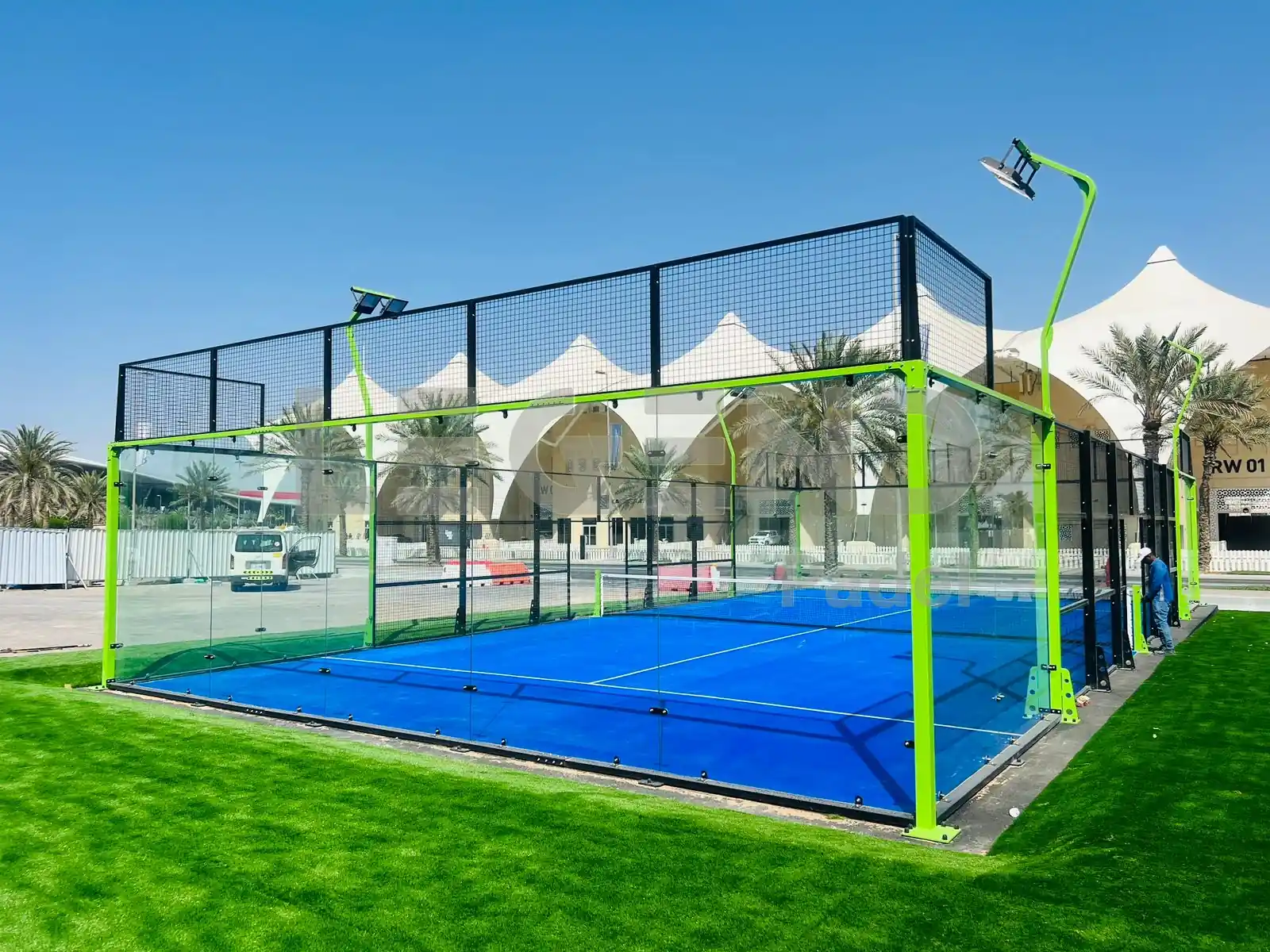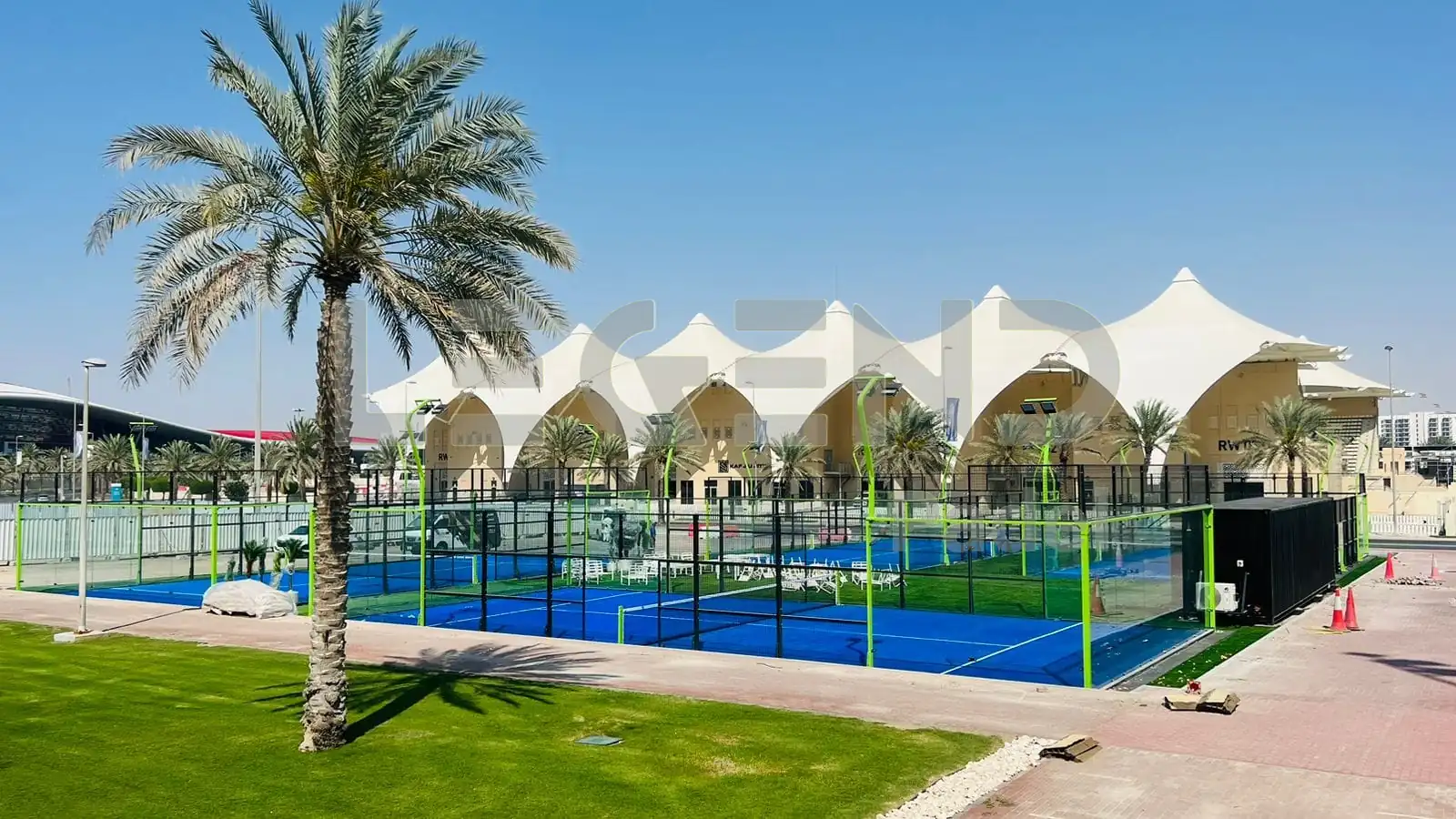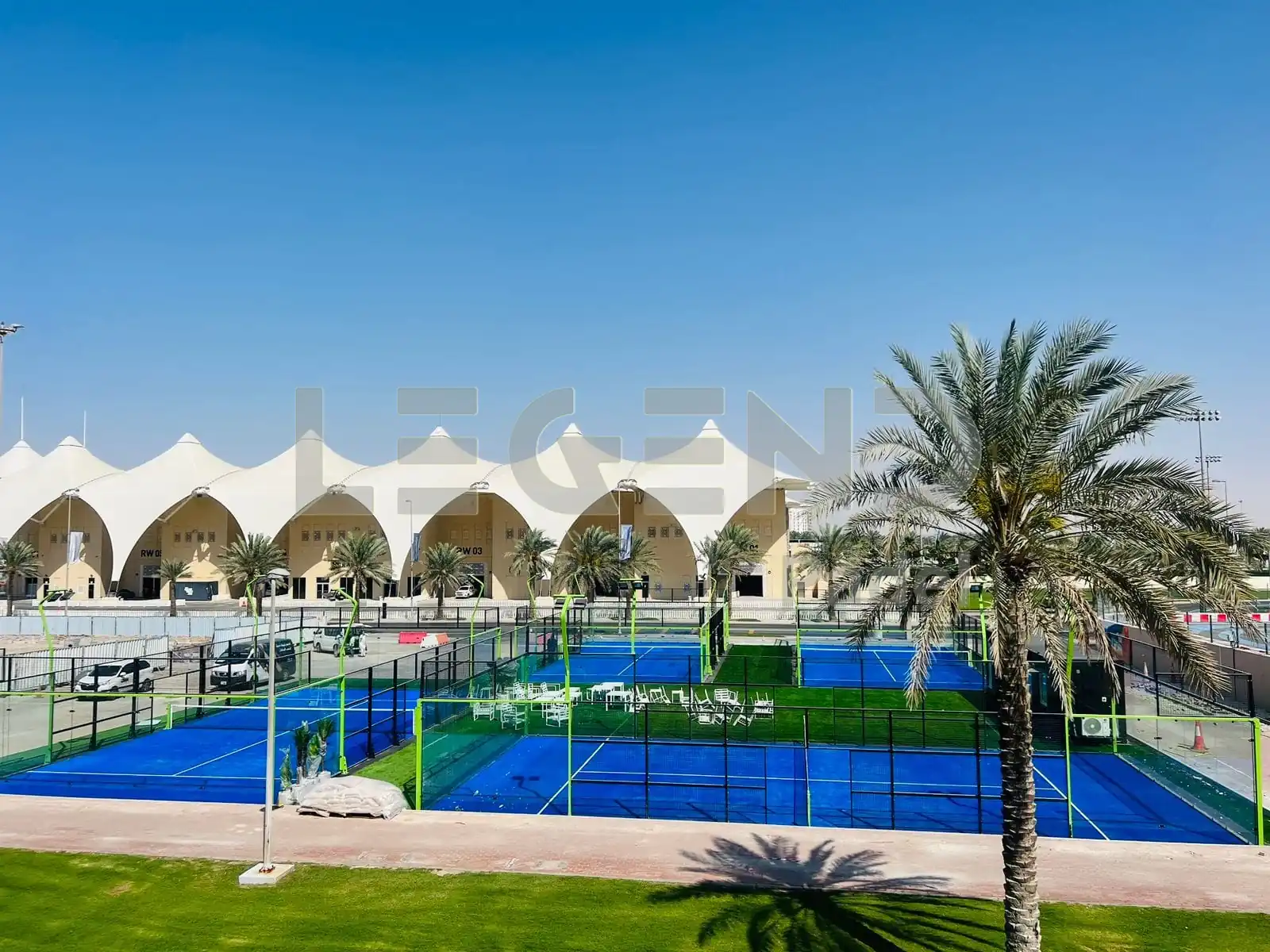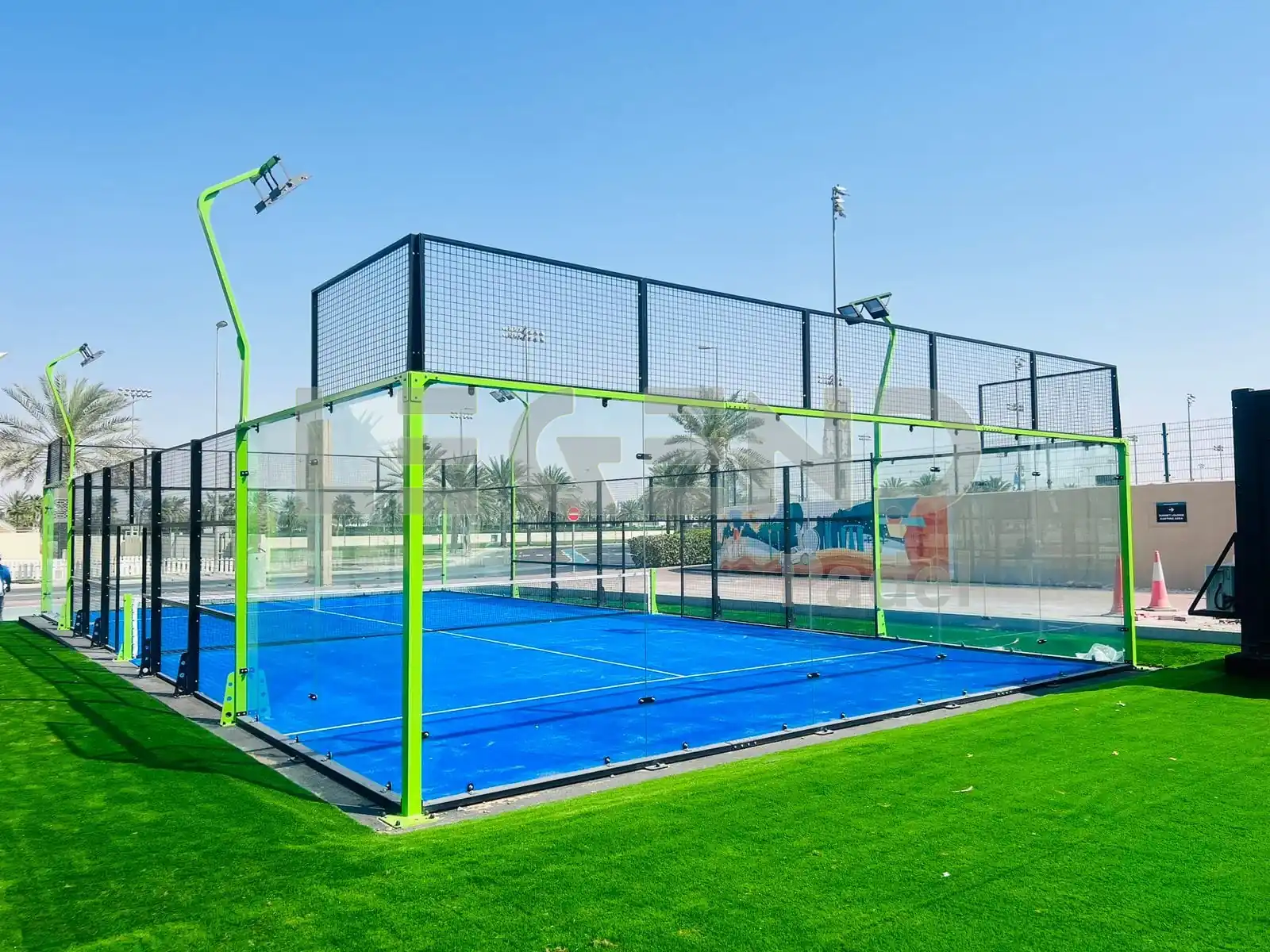




A popularidade de Padel aumentou mais rápido que o ténis em muitas regiões, reformando como os investidores esportivos, clubes e desenvolvedores avaliam a infraestrutura esportiva de racket e a demanda da corte de padel. Essa mudança não é apenas refletida na participação dos jogadores, mas também no quão rápido os campos de padel estão sendo implantados em instalações esportivas urbanas, internas e de uso misto. Entender por que o padel está crescendo mais rápido do que o ténis ajuda a explicar por que os projetos de padel court se tornaram um foco estratégico para clubes, hotéis e centros esportivos em todo o mundo.
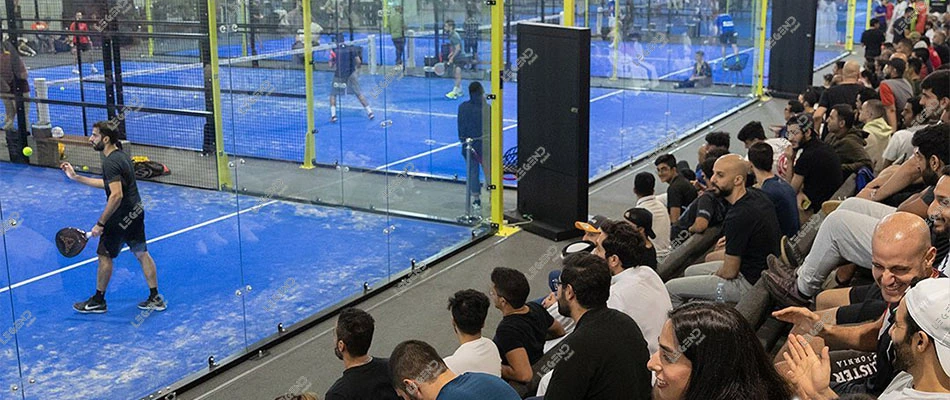
Padel Popularity vs Tennis: Global Participation and Growth Signals
Crescimento da população de Padel por toda a Europa, o Oriente Médio e mercados emergentes
Padel o aumento dos fãs é o maior na Europa, no Oriente Médio, e alguns mercados em crescimento. Lá, pequenos tamanhos de corte e jogo em grupo aceleraram sua propagação. Em lugares como Espanha, Itália, Suécia, EUA e Qatar, o pádale deixou atrás de seu pequeno começo. Agora é uma atividade comum divertida e esporte de clubes. Esse crescimento vem com rápidas instalações de cortes de pádale. Os tribunais internas destacam-se. Eles permitem jogar todo o ano e uma renda constante. Padel tem um limite acima do ténis. Novos jogadores começam mais e mais rápido. Como resultado, isso aumenta o apelo para mais tribunais de paludismo.
Tendências de participação no ténis e restrições de crescimento estruturais
A participação no tenis permanece estável globalmente, mas o crescimento do tenis é muitas vezes limitado por necessidades espaciais, curvas de aprendizagem mais longas e limiares de habilidades individuais mais elevados. Os campos de tenis geralmente requerem mais terra por jogador e são menos flexíveis para instalações esportivas de vários usos. Esses fatores estruturais limitam o rápido que novas instalações de ténis podem escalar em ambientes urbanos densos. Como resultado, investidores comparam cada vez mais campos de ténis com campos de padel quando planejam novas infraestruturas esportivas.
Interpretando a popularidade além dos números de jogadores e atenção aos meios de comunicação
A popularidade na infraestrutura esportiva é melhor medida através da densidade da corte, frequência de uso e expansão das instalações em vez de exposição à mídia sozinha. A popularidade de Padel traduz-se diretamente em taxas de utilização mais elevadas de padel court, ciclos frequentes de reserva e períodos de recusa mais curtos para operadores. Essa interpretação baseada na infraestrutura explica por que o despliegue de cortes de padel acelerado mesmo em mercados onde o ténis ainda tem uma forte presença cultural.
Padel Court Infrastructure Demand Driven by Popularity Shifts
Padel Court Density and Club Expansion Compared to Tennis Facilities
Os números de campo de Padel por lugar cresceram mais rápido que os de ténis. Os tribunais de pavilhão se encaixam em espaços apertados. Ao mesmo tempo, eles permitem jogos de pares. Clubes que uma vez acrescentaram um ou dois campos de tenis podem agora encaixar três ou quatro campos de padel nesse mesmo espaço. Isso impulsiona quantas pessoas podem se juntar. Esse uso inteligente traz novos clubes. Também apela aos antigos pontos de tenis que querem acrescentar variedade.
Por que o Deployment Court de Padel escala mais rápido do que os tribunais tradicionais de tenis
Escala de implantação do campo de pavilhão é mais rápida devido a dimensões padronizadas, estruturas modulares de aço e sistemas de encerramento usando paredes de vidro temperadas e malhas metálicas. As paredes são geralmente feitas de vidro temperado, assegurando segurança, visibilidade e durabilidade sem depender de materiais estruturais pesados. Essa abordagem padronizada permite aos fabricantes fornecer sistemas repetíveis de corte de padel que reduzem o tempo de instalação e a complexidade do local.
Interior Padel Court Development Accelerating Year-Round Play
O desenvolvimento da corte interior desempenha um papel crítico no sustentamento da popularidade da corte interior em diferentes climas. Instalações internas reduzem a dependência meteorológica e sustentam programação estável, jogo de liga e programas de treinamento. Por exemplo, LEGEND SPORTS tem apoiado projetos de corte de padel interior usando modelos como Pro Panoramic Paddle Court PD04, que combina paredes de vidro temperados completos, quadros de aço de alta força, e iluminação profissional LED para satisfazer requisitos de nível clube e concorrência.
Acessibilidade e Dinâmica Social Reformando a Adoção de Desportos Racket
Por que Padel é considerado mais acessível do que o ténis tradicional
As pessoas vêem o padel mais fácil de começar do que o ténis normal. O tamanho da corte, os lados murados, e pares colocam obstáculos corporais inferiores e habilidades para os primeiros. Novas pessoas podem bater para trás e para trás em apenas minutos. Isso os retira para mais. Essa facilidade impulsiona o uso da corte de padel. Os tribunais ficam ocupados o dia todo. Eles não apenas servem os melhores jogadores.
Reprodução social, duplo formato e efeitos de retenção comunitária
Padel o lado do grupo, de jogo de pares e cortes paredados, levanta fala e lealdade entre os jogadores. Os tribunais de Padel atuam como pontos de encontro em clubes, hotéis e lugares esportivos. Isso construi laços de grupos mais fortes. Como resultado, a necessidade constante de cortes extra de pádale cresce. Os grupos de jogadores se expandem sozinhos.
Como a acessibilidade melhora as taxas de utilização do Padel Court
A maior acessibilidade leva a uma melhoria das taxas de utilização das cortes de padel, que é uma métrica chave para operadores avaliando rendimento de investimento. Os tribunais com alta frequência diária de reserva justificam mais expansões e melhorias. Instalações que combinam múltiplos tipos de cortes de pádale, como panoramas e layouts clássicos, muitas vezes alcançam melhor flexibilidade de programação e satisfação dos usuários.
Modern Padel Court Design Trends Supporting Long-Term Growth
Muros de vidro temperados e malha metálica nos tribunais contemporâneos
Moderno design de corte de padel depende de paredes de vidro temperados e malhas metálicas para equilibrar segurança, visibilidade e durabilidade. O vidro temperado fornece características consistentes de rebound e melhora a experiência do espectador, o que é crítico para clubes que organizam eventos e torneios. SPORTS LEGEND integra vidro temperado conforme ao EN12150 em modelos como Extreme Super Panoramic Paddle Court-PD06, projetado para aplicações profissionais e centrais do tribunal.
Luz, teto e adaptação interior para a flexibilidade climática
Sistemas de iluminação e soluções de telhado opcionais se tornaram considerações padrão em projetos de corte de padel. - Luzes de inundação LED de alta eficiência apoiam brincadeiras de noite, enquanto sistemas de telhado permitem a transição de cortes externos para ambientes semi-interiores. Essas características prorrogam horas de operação e estabilizam a renda, especialmente em regiões com clima variável.
Conceitos Smart and Modular Padel Court for Urban Environments
Ideias inteligentes e prontas para se mover do palco estão surgindo em áreas urbanas embaladas. Aqui, economizar espaço conta mais. Quadros de aço prontos deixam os tribunais subir, descer, ou mudar quando o ponto precisa mudar. SPORTS LEGEND encontra isso com escolhas como Mobile Pro Paddle Court PD05. Ela permite configuração fácil sem mudanças no local fixo. Ainda assim, mantém níveis pro-jogo.
Perspectiva de Investimento do Padel Court: Momento de curto prazo ou mudança estrutural
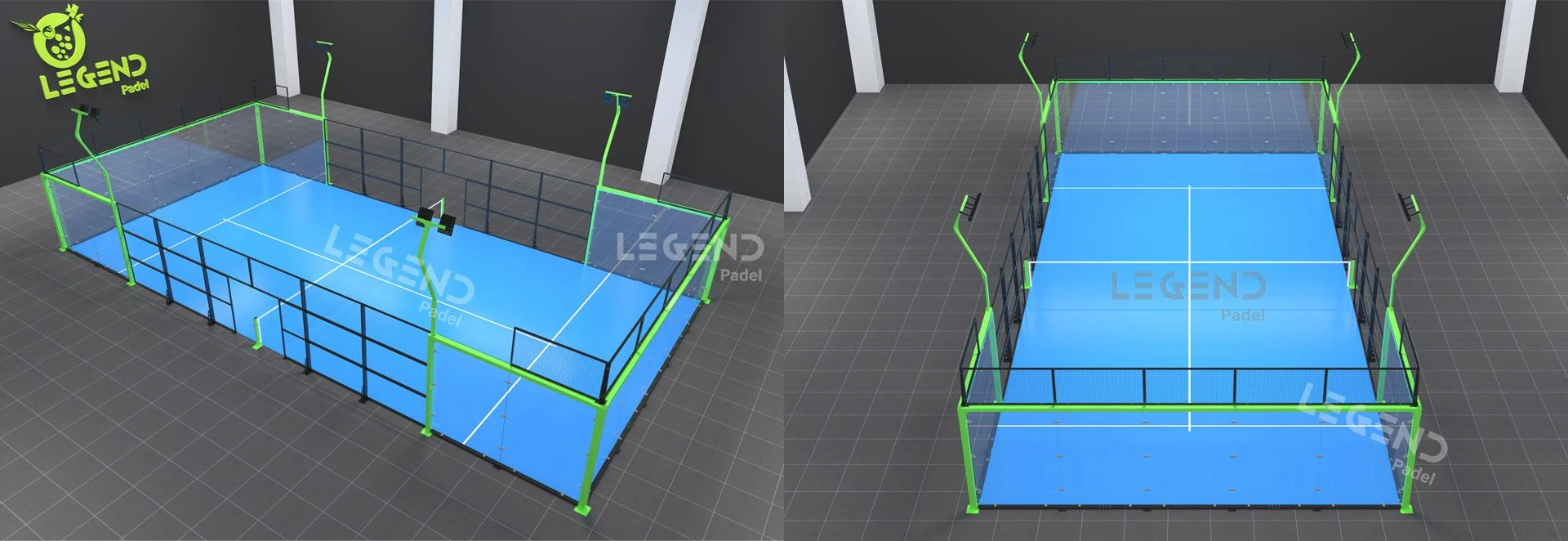
Comparar a flexibilidade do ciclo de vida entre os tribunais de padel e os tribunais de tenis
Os tribunais de padel oferecem maior flexibilidade do ciclo de vida do que os tribunais de ténis devido à sua construção modular e componentes padronizados. Os operadores podem actualizar iluminação, campo ou elementos de encerramento sem reconstruir toda a estrutura. Essa adaptabilidade reduz a complexidade de manutenção a longo prazo e apoia estratégias de expansão gradual.
Padel Court Adaptability Across Clubs, Hotels, and Sports Centers
A adaptabilidade do campo de Padel torna o esporte adequado para clubes, hotéis, resorts e centros esportivos abrangentes. Pegadas menores e altas taxas de participação se alinham com desenvolvimentos de uso misto buscando maximizar a eficiência espacial. Configurações personalizadas da corte de padel permitem instalações para alinhar o design da corte com marca, demografia dos usuários e intensidade de uso.
lidar com a saturação do mercado e a estabilidade da demanda a longo prazo
As preocupações com a saturação do mercado de padel muitas vezes ignoram as diferenças regionais e o papel dos tribunais de padel interiores na expansão da procura total. Os mercados com forte infraestrutura interna continuam a crescer mesmo após fases iniciais de expansão. A estabilidade da demanda a longo prazo depende da construção de corte de qualidade, experiência coerente de jogadores e execução profissional de projetos.
Como o esporte LEGEND transforma o crescimento do mercado de pavilhão em um emprego de tribunais escaláveis
Translating Padel Popularity into Repeatable Court Deployment Models
LEGEND SPORTS transforma fãs de padel em crescentes configurações de cortes de padel. Eles fazem isso configurando sistemas de quadro central. Mas eles permitem instalações adaptadas. Assim traz qualidade constante para cada trabalho. Também se encaixa na área local s quer. De uma visão ampla aos tipos de jogo único, planos de configuração visam construções rápidas e até resultados.
Consistencia de engenharia para os tribunais internos e externos
Construir a estabilidade é importante para os campos de padel dentro e fora em tempo variado. SPORTS LEGEND utiliza a mesma matemática de quadro, coberturas de prova de ruída, e verificou configurações de vidro duro para for ça duradoura. Unidades como o Classic Padel Court PD01B mostram como o conjunto reconstrui trabalho sólido em muitos usos.
Apoiar projetos globais através de sistemas personalizados de tribunais
Sistemas de corte de padel adaptados permitem que LEGEND SPORTS ajude empregos em áreas variadas e casos de uso. As escolhas de cola abrangem planos de corte, configurações de vidro, detalhes de erva, sistemas de luz e estilo. Isto ajuda apoiadores e corredores. Ela alinha os empregos na corte de padel com objetivos duradouros. Enquanto mantém padrões mundiais.
FAQ
Q: O Padel é mais popular do que o ténis em todo o mundo?
A: Padel está crescendo mais rápido que o ténis em muitas regiões, especialmente na Europa e no Oriente Médio, enquanto o ténis permanece estável globalmente. A popularidade do Padel é refletida em um despliegue mais rápido da corte de Padel e em taxas de utilização mais elevadas da corte, em vez de substituir inteiramente o ténis.
Q: Qual marca de palel court é adequada para clubes comerciais?
A: Uma marca adequada para clubes comerciais deve oferecer engenharia padronizada, sistemas de segurança de vidro temperado e opções de personalização. O LEGEND SPORTS fornece múltiplos modelos de corte de pádale projetados para aplicações clubes, internas e profissionais.
Q: Como escolher o palco certo para uma instalação interior?
A: Escolher o parque direito para uma instalação interior depende da altura do teto, dos requisitos de iluminação e da intensidade de uso. Os campos panorámicos de padel com iluminação profissional LED são comumente selecionados para ambientes interiores para apoiar torneios e jogos diários.
Q: Padel court vs tennis court, o que é melhor para investimento?
A: As cortes de padel geralmente oferecem melhor eficiência espacial e maiores taxas de utilização do que as cortes de ténis, tornando-as atrativas para investimento. No entanto, a melhor escolha depende da localização, dos usuários alvo e da estratégia operacional a longo prazo.
Q: Quais fatores afetam o desempenho de corte de padel a longo prazo?
A: O desempenho a longo prazo do campo de padel depende de design estrutural, qualidade de vidro temperado, durabilidade do sistema de terra e instalação adequada. Selecionar um fabricante com capacidades de engenharia e personalização provadas ajuda a assegurar uma operação estável ao longo do tempo.