


The Acoustic Challenge of Operating a Padel Club in German Municipalities
Identifying the Main Sources of Court Noise Pollution
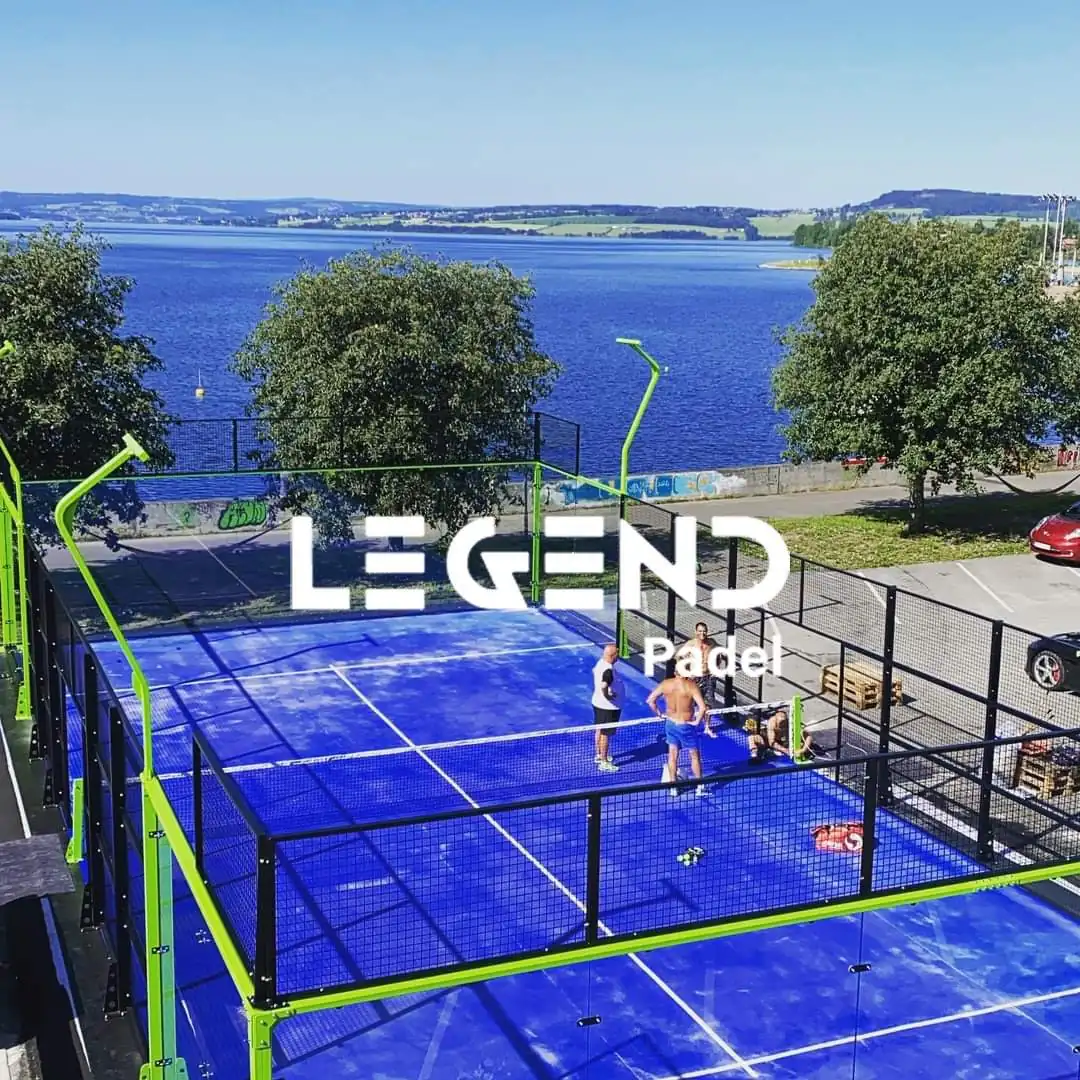
The explosive growth of racket sports across Europe has sparked immense interest among German sports club operators and commercial investors. However, launching a successful venue requires a deep understanding of local environmental restrictions. In Germany, the primary barrier to securing necessary approvals is not the frame design itself, but rather strict urban noise control regulations. The distinct, high-frequency sound of the ball hitting the racket, along with ball-to-mesh impacts, can easily travel into nearby residential zones. Because the enclosure relies heavily on transparent viewing areas, and walls are usually made of tempered glass, these hard surfaces naturally reflect acoustic waves rather than absorbing them, which can trigger immediate neighborhood complaints if left unmanaged.
Engineering Effective Sound Barriers for Urban Approval
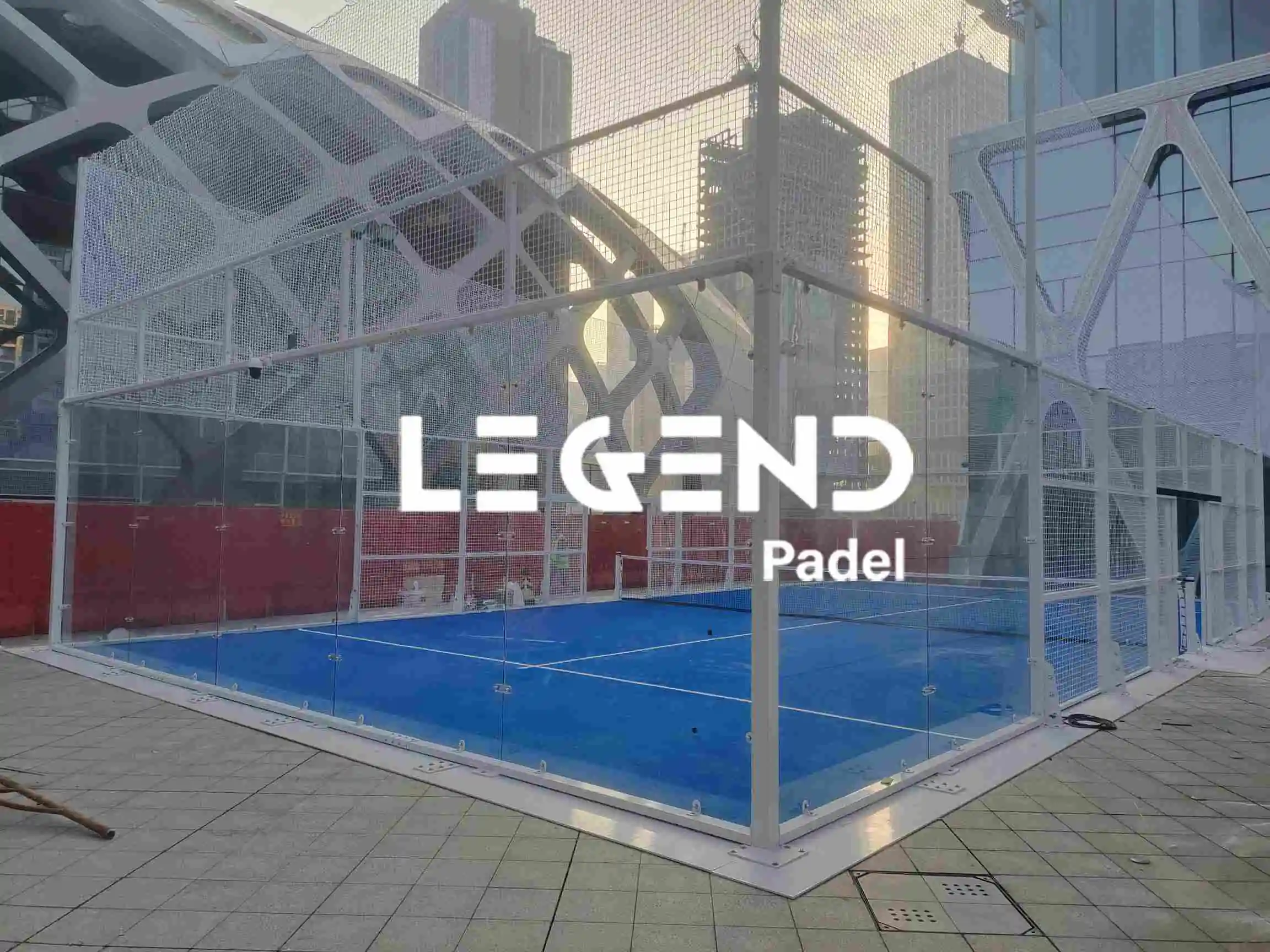
Club owners need to add good acoustic work right at the planning stage. This helps them pass strict local noise checks. Normal mesh panels often shake hard when the ball hits. That shake makes the sound louder. Upgrading to a better acoustic mesh panel system on the outside of the frame cuts down high-frequency sound spread a lot. Adding strong rubber gaskets between the posts and the glass also lowers vibration from the structure. This careful plan keeps the site in line with urban zoning rules and gives steady peace of mind for daily use.
Accelerating Your Timeline with Permit-Friendly Court Infrastructure
Bypassing Rigid Building Permits with Mobile Architecture
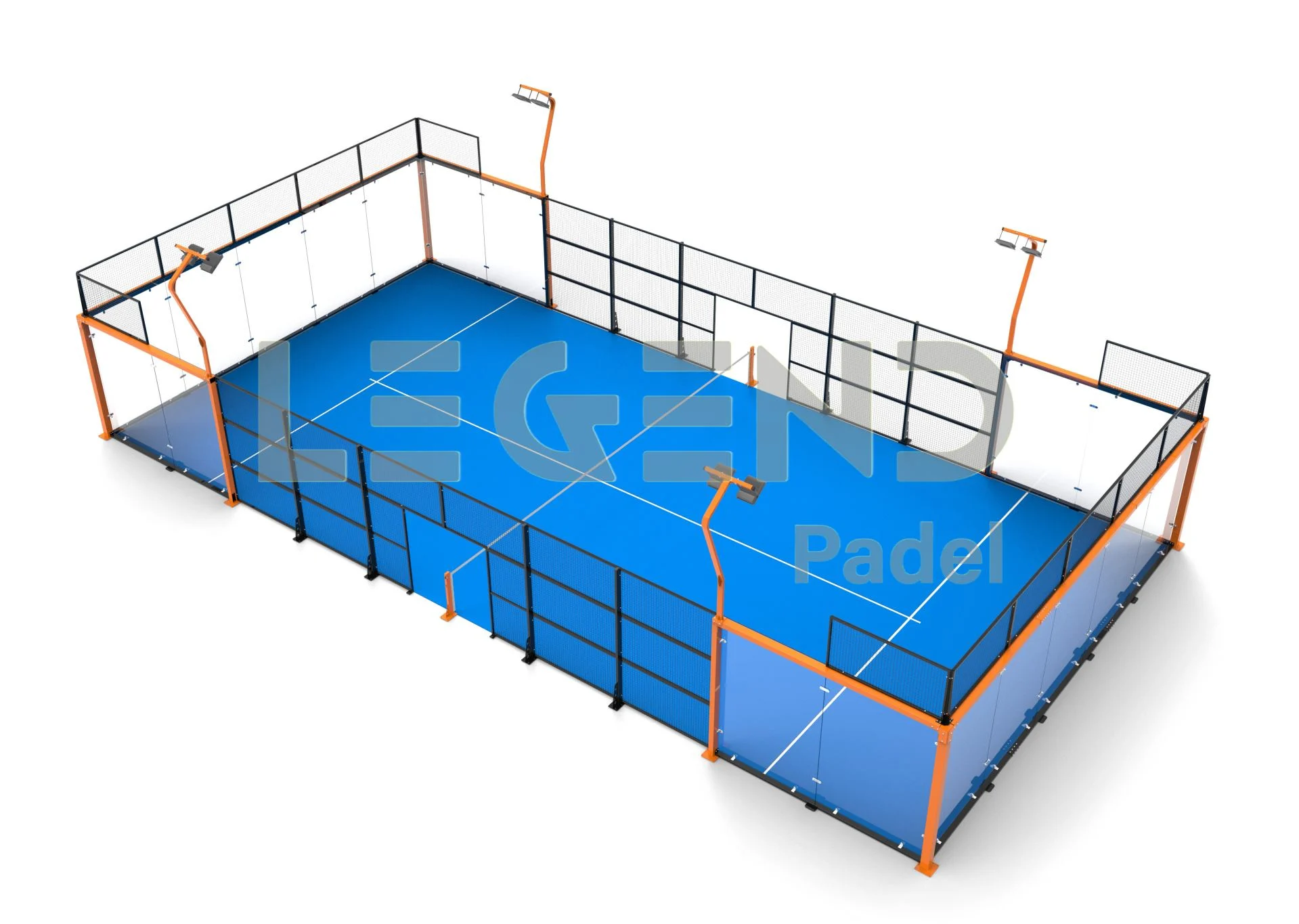
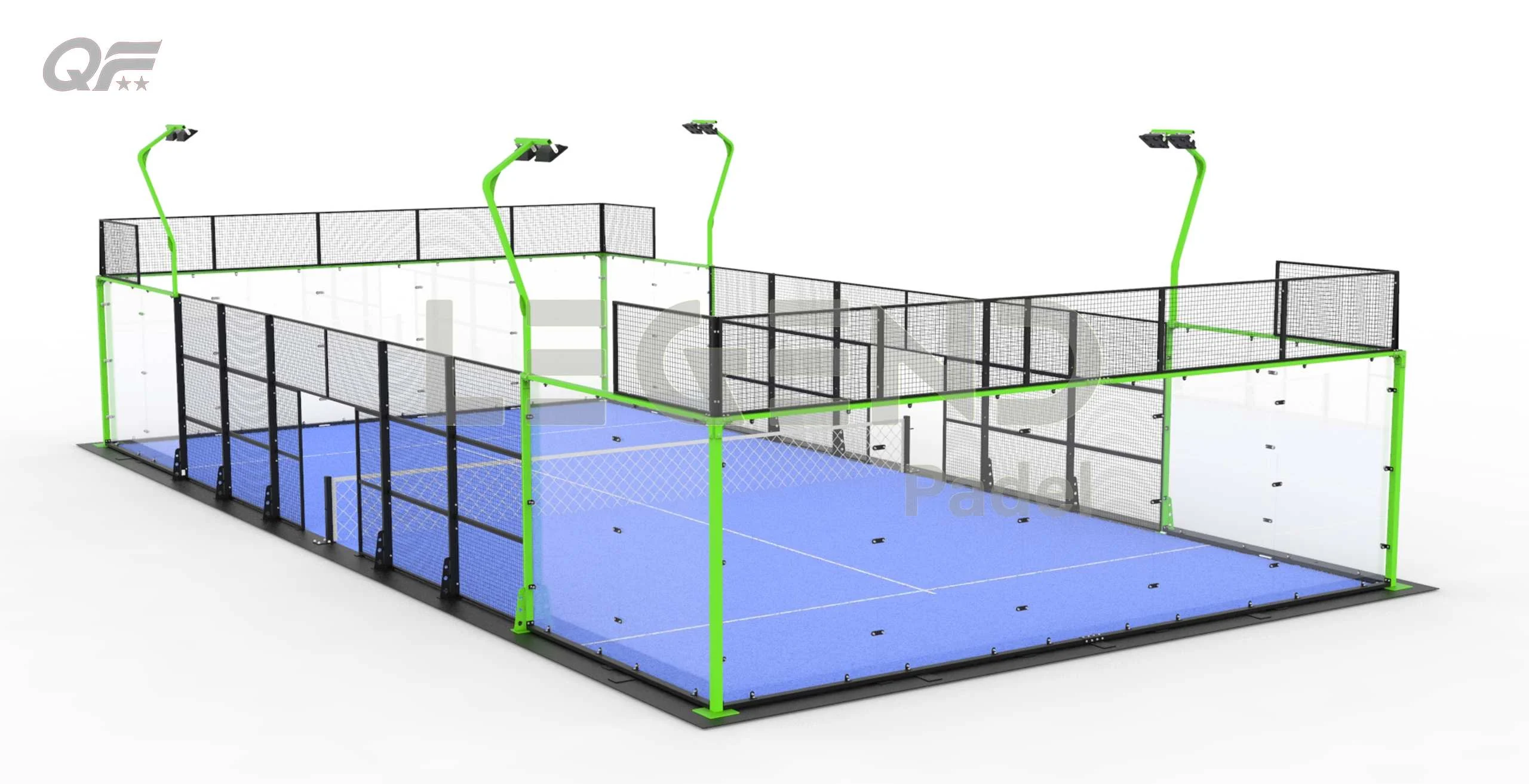
Getting standard building approvals from local offices can drag on for a long time. Fixed sports builds need deep anchors and lasting site changes. These steps pull the project into months of paperwork. Smart operators now choose flexible mobile builds to speed things up. The Mobile Pro padel Court-PD05 was made to handle these permit issues. The PD05 Padel Court needs no permanent digging into the ground. The whole system goes together on any flat surface that already exists. This design changes how city boards view the project. It cuts down on forms and waiting time.
Streamlining Site Preparation without Permanent Groundwork
By eliminating the need for extensive subsurface excavation, sports entrepreneurs can cut down on both initial labor costs and project risks. Traditional fixed installations lock you into a single location indefinitely. In contrast, a mobile system provides unparalleled commercial agility. It serves as an exceptional solution for temporary sports facilities deployed on leased commercial lots, municipal parks, or resort spaces. If a land lease expires or local zoning laws shift, the modular components can be completely dismantled, loaded into transport vehicles, and safely reassembled at a new venue without sustaining any structural damage or losing asset value.
Weatherproof Engineering for the Demanding Central European Climate
Mitigating Heavy Rain and Sub-Zero Freeze Cycles
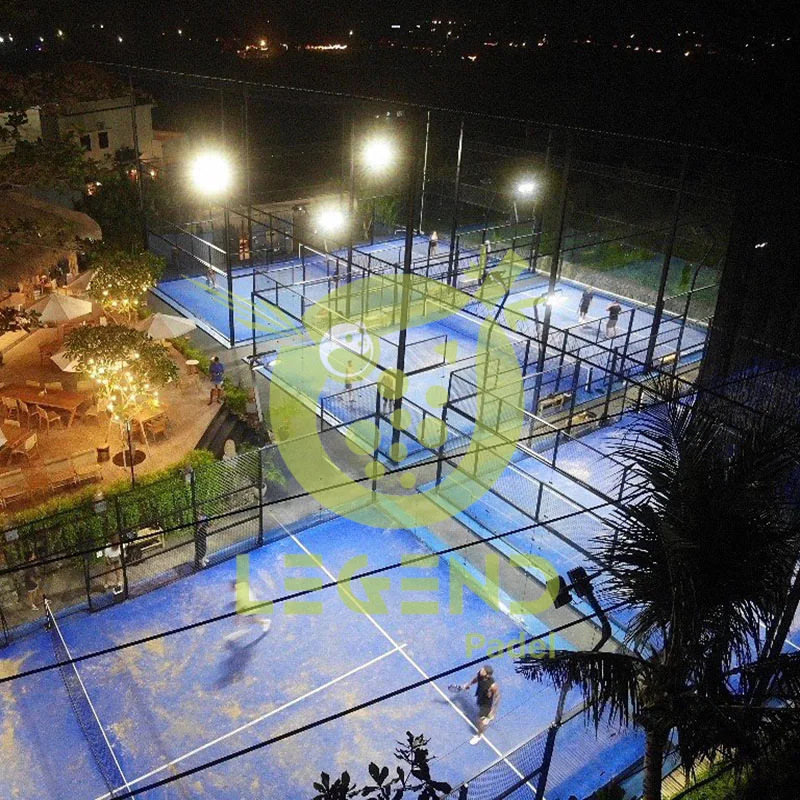
Outdoor sports sites in Central Europe face heavy rain, high moisture, and cold winters. Keeping a strong Padel Court safe from weather damage calls for tough material choices. Good drainage paths belong in the surface work, so water leaves the play area fast. Quick drainage stops pools that could harm the textured artificial grass used in tournaments. This care keeps the ball bounce and player grip steady through wet and cold months.
Selecting Structural Materials Rated for High Wind Loads
Outdoor frames also need strength against strong winter winds and snow weight. For wide-view setups, the Max Pro Panoramic Padel Corte-PD03 gives extra support built for tough conditions. All metal parts in the product range receive hot-dip galvanizing and then a powder-coat finish. These two layers fight rust, corrosion, and fatigue. They meet European wind-load standards without trouble.
Maximizing Space with Modern Indoor Padel Facility Design
Transforming Commercial Warehouses into Year-Round Sports Hubs
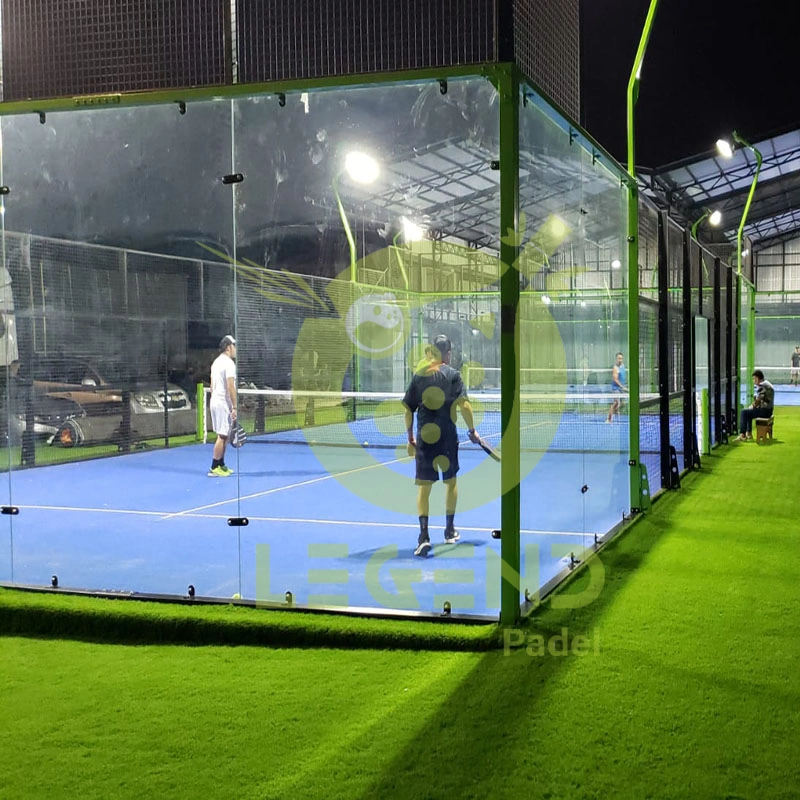
Indoor padel courts now help owners earn a steady income all year, even when snow or rain hits outside. Many turn empty warehouses, old tennis halls, or unused industrial buildings into sports venues. This model brings good returns. Indoor control lets managers set exact conditions. Climate control plus custom LED lights that cut glare give players a clean, focused space. Courts are booked from early morning to late evening.
Showcasing Global Innovations in Racket Sports Infrastructure
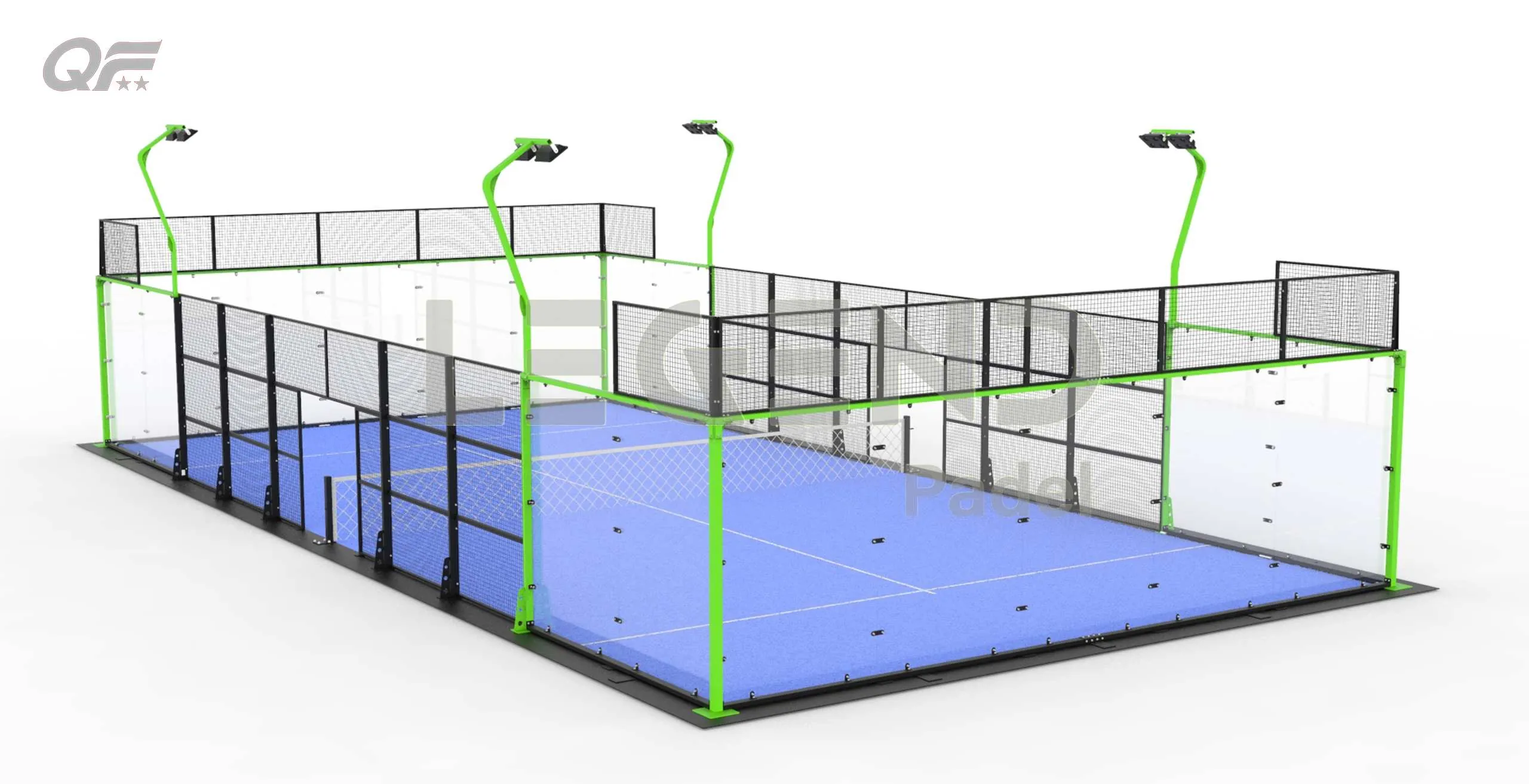
At the 43rd China International Sporting Goods Show in Xiamen, we showed our newest indoor layout ideas to sports groups and buyers. The sports field now pushes for standard high-play setups that fit more courts without losing safety. Our modular parts let owners adjust indoor plans to tight building grids. Every square meter of rented space works harder for daily use.
Elevating Brand Identity through Bespoke and Tailored Facilities
Designing Unique Layouts to Attract Dedicated Premium Players
A plain venue no longer stands out in a busy market. Players look for striking sites that feel like a full brand experience. Customized padel courts help owners set their clubs apart from basic public spots. You can pick exact RAL colors for the steel frame to match your brand. You can also choose special turf colors. These choices build a polished, high-end club feel.
Why LEGEND SPORTS is Your Turnkey Partner for European Projects
En LEGEND SPORTS, we help European operators handle building and city permit issues. We supply full solutions from first layout talks and custom part making to sea shipping and on-site install advice. Whether you pick the permit-friendly mobile solutions like the PD05 or our heavy-duty panoramic designs like the PD03, our FIP-compliant builds deliver top play and fast setup. Your site meets local rules and lets you grow with confidence.
Preguntas frecuentes
Q: What are the key noise control regulations for a new padel court installation?
A: Sports sites in Germany must meet regional noise limits, especially near homes. Court walls are most often tempered glass, so they reflect sound. Operators can meet the rules by using anti-vibration rubber gaskets and acoustic mesh panels on the frame. These steps cut ball impact noise and help avoid complaints.
Q: How can club owners bypass strict building permits for a temporary padel court?
A: The best way to shorten approval time is to skip permanent groundwork. A modular mobile system like the PD05 Padel Court from LEGEND SPORTS sits on flat surfaces that already exist. City boards then treat it as a temporary sports facility, which means far less paperwork.
Q: What structural features make outdoor padel courts durable against winter weather?
A: Long outdoor life needs strong metal treatment. Top systems use heavy steel frames like those in the PD03 Padel Court. The steel receives hot-dip galvanizing and an electrostatic powder coat. This process stops rust, corrosion, and damage from wind or snow in harsh winters.
Q: Is it possible to order customized padel courts to fit specific urban space constraints?
A: Yes. Operators can shape the build to match space needs and brand style. Through the custom work from LEGEND SPORTS, you can set exact RAL frame colors, pick special turf patterns, adjust parts for indoor height, and add laser-cut logos on the posts.
Q: What are the space and height requirements for building indoor padel courts?
A: A standard doubles court needs a 20×10 meter area. Singles training courts take less space. To meet FIP play standards, an indoor site must give at least 8 meters of clear ceiling height. This lets players hit high lobs without touching beams or lights.