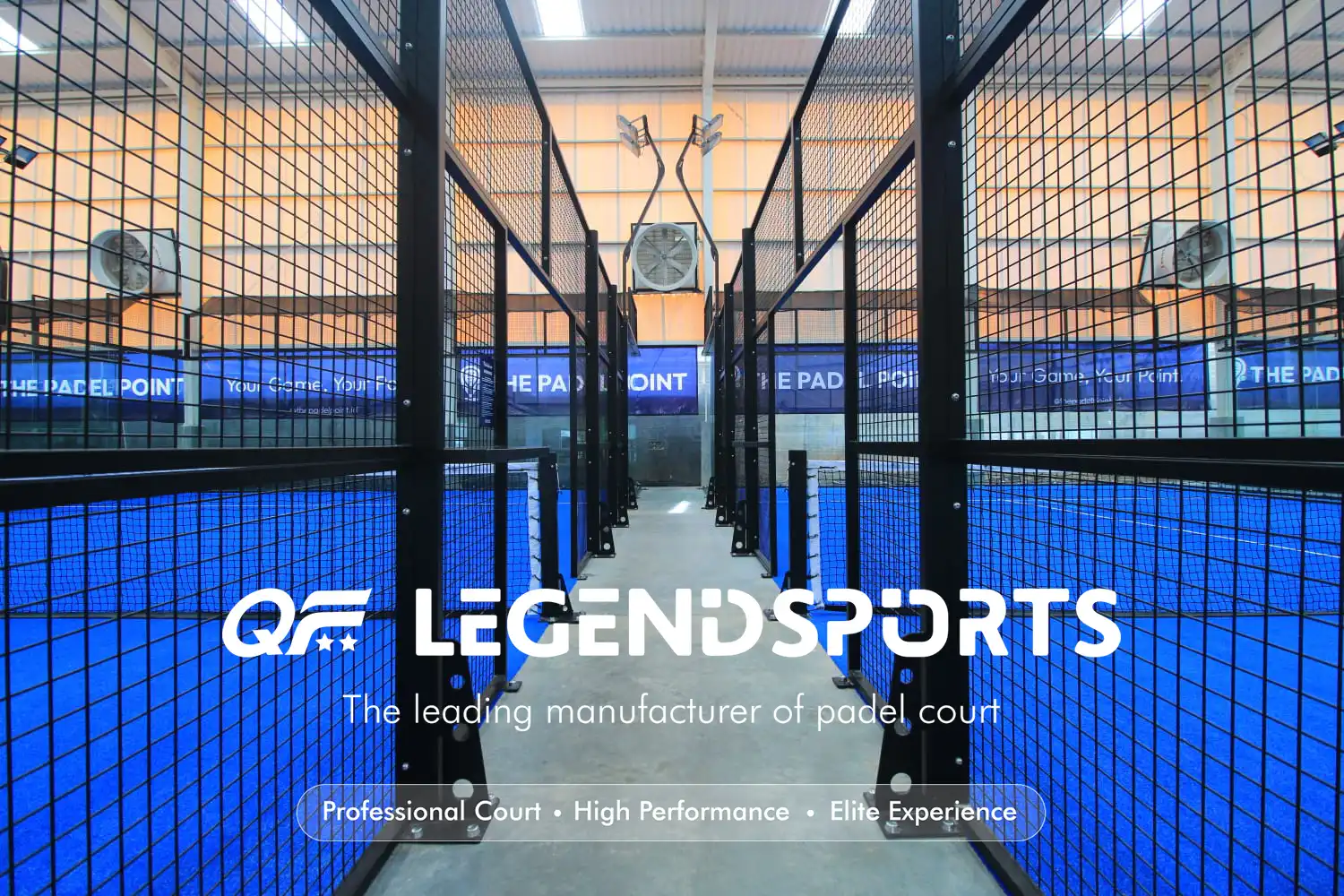



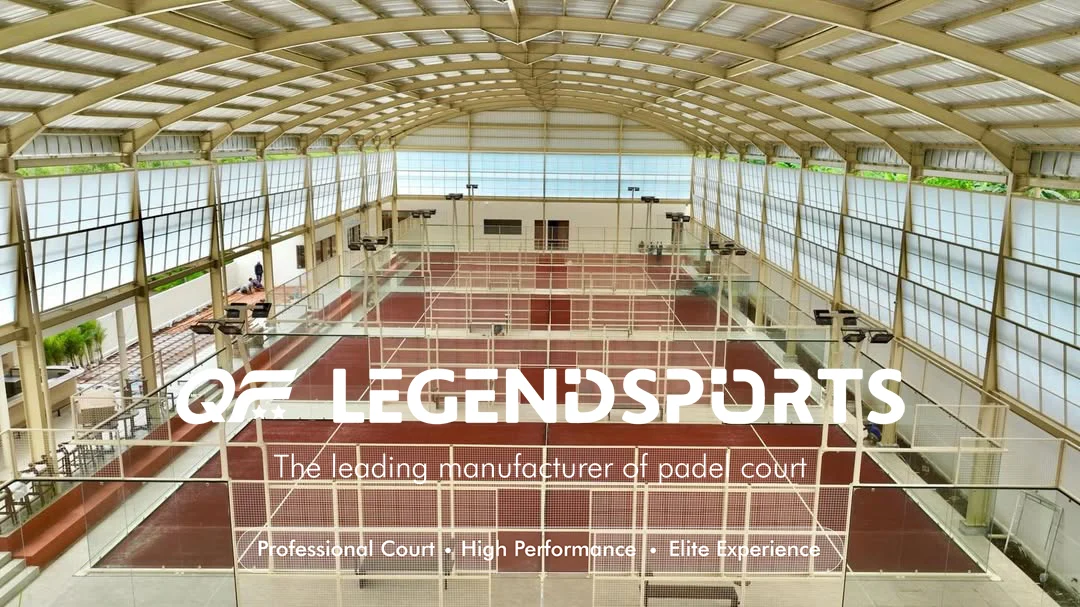
EN 1090 helps explain how structural steel components are assessed and manufactured. For a padel court project, the useful starting point is the steelwork's intended function and the evidence that applies to it. Understanding the difference between technical execution, factory production control and CE marking makes those discussions clearer. A standard reference should lead to specific questions about scope, rather than an assumption about the complete court.
What Does EN 1090 Cover?
Separate Assessment from Technical Execution
EN 1090-1 addresses conformity assessment for structural components and factory production control. EN 1090-2 addresses the technical execution of steel structures, while EN 1090-3 addresses aluminium structures. These parts serve different purposes: assessment and production control belong alongside material-specific execution requirements.
For padel court steel structures, distinguish the framework specification from the process used to assess conformity. A document about factory controls answers a different question from a drawing showing how columns connect. Keeping those questions separate prevents a broad standard reference from being treated as a complete technical specification.
Start with the Component's Intended Function
The framework supports and connects parts of the enclosure, but a court also contains glass, turf, lighting and other components. Define which steel components are being discussed and what structural role they perform. An assessment route for steelwork cannot simply be extended to every other component supplied with the court.
How Are EN 1090 and CE Marking Related?
Check Applicability Before Requesting a Mark
EN 1090 and CE marking are related but distinct concepts. Where EN 1090-1 applies, the relevant conformity assessment supports CE marking and a declaration of performance. Applicability depends on the intended use, structural function and applicable regulatory framework. The presence of steel alone does not establish the correct assessment route for every padel court.
Ask the responsible technical parties to establish the relevant route for the actual product and destination. The review should address permanent incorporation, load-bearing function and any other applicable technical specification. These are classification questions; a product photograph or a generic statement about European standards cannot settle them.
Understand What the Declaration Describes
A declaration of performance identifies the product and the performance being declared under the applicable route. Read it alongside its intended use and supporting identification. Check that the supplied component is the component described. A CE symbol by itself does not communicate the whole installation's design basis, site conditions or assembly responsibilities.
What Is Factory Production Control?
Look for a Documented Production System
Factory production control, or FPC, brings the activities affecting conformity into a documented system. Under the EN 1090-1 route, assessment of that system involves an appropriately notified body. Material identification, production instructions, checks and records help connect the specified component with the component actually manufactured.
The practical question is whether the paperwork describes a repeatable process. A collection of factory photographs can illustrate equipment, but it cannot show how a change to a drawing is approved or how an inspection result is recorded.
Keep Design and Production Responsibilities Clear
Manufacturing control and structural design have connected but different responsibilities. Establish who specifies the structural requirements, who manufactures the components and who verifies installation conditions. For a court enclosure, the project team should resolve site loads, supporting construction and connections through the appropriate technical review. A production-control document does not independently complete that review.

How Does Manufacturing Quality Support the Discussion?
Connect Process Stages with Physical Components
Equipment and workflow descriptions become useful when tied to the actual frame. For an example of the operations involved, LEGEND SPORTS combines cutting, forming, welding and finishing in padel court production. Our steel fabrication operations include material selection, tube cutting, sheet cutting and bending. The production equipment includes three laser tube-cutting machines, three sheet-cutting machines and two bending machines. Materials and section specifications are selected for the different structural components. The court framework includes columns, crossbars, mesh frames and connecting parts.
Those details explain the manufacturing sequence. The same principle applies when discussing the Classic padel court-PD01B: identify the proposed framework before deciding which technical documents describe it. Model identity and document scope should agree.
Distinguish Process Capability from Conformity Evidence
Finishing and inspection deserve attention alongside fabrication. Our surface-treatment operations include abrasive blasting and surface cleaning with an air gun before coating. Automatic electrostatic powder application and controlled-temperature curing form part of the coating process. These are manufacturing operations, rather than a universal list of mandatory EN 1090 processes. Steel preparation, coating and outdoor exposure need to be considered together.
A panoramic configuration changes the discussion about the enclosure layout, so the Pro Panoramic Padel Court-PD04 should be reviewed against its own proposed drawings. Its name or appearance does not establish the applicable conformity route. Specific production evidence and the required project documentation perform different jobs.
How Should a Project Team Read the Documents?
Match Names, Scope and Product Identification
Use a short comparison sheet with separate rows for manufacturer identity, component identification, intended use, technical specification and document scope. Where an FPC certificate is relevant, check the issuing body and covered activities. Compare these entries across the available documents and resolve inconsistent names or unclear product descriptions before relying on them.
An execution class also needs a technical basis. It describes the required level of execution control; it should follow the project specification rather than a buyer choosing a higher number as a substitute for design review.
Turn General References into Specific Questions
Ask which components a standard reference concerns, what evidence supports the statement and who is responsible for the remaining project checks. Keep regulatory documents separate from layout choices, finishes and commercial terms. Information about the manufacturer can provide context through the company overview, while the project record should identify the actual technical responsibilities.
For the next discussion, prepare the court configuration, destination, site conditions and proposed use. That information gives the technical team something concrete to assess and makes gaps easier to identify.
FAQ
Q: What is EN 1090 for padel court steel structures?
A: It is a standards framework relevant to structural-component assessment and execution. Its relevance to particular court steelwork depends on intended use, structural function and the applicable technical and regulatory route.
Q: Is EN 1090 certification the same as CE marking?
A: No. Factory production control certification is one part of the relevant assessment route. CE marking and the declaration of performance concern the identified product under that route.
Q: Does every steel padel court automatically require the same assessment?
A: No. Define the components, intended use and structural role first. The responsible technical parties must establish which requirements apply to the particular product and project.
Q: Does an EN 1090 document replace a padel court's structural design?
A: No. Project design still needs to address the relevant site conditions, loads, connections and supporting construction. Manufacturing-control evidence does not independently resolve those design matters.
Q: What does FPC mean in structural steel manufacturing?
A: FPC means factory production control. It is the documented system used to control activities affecting product conformity, including production procedures, inspections and the associated records.