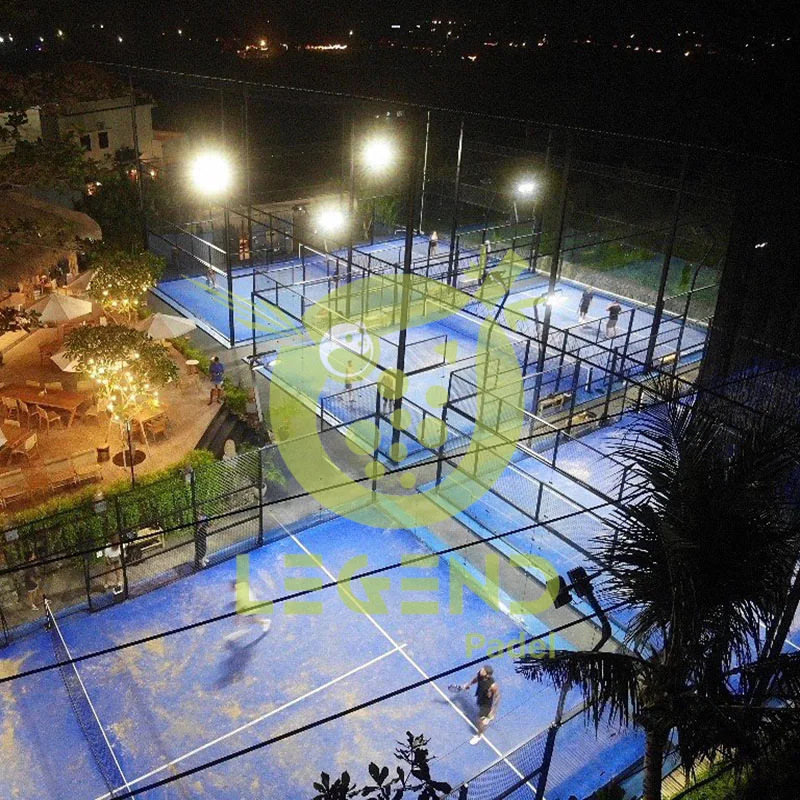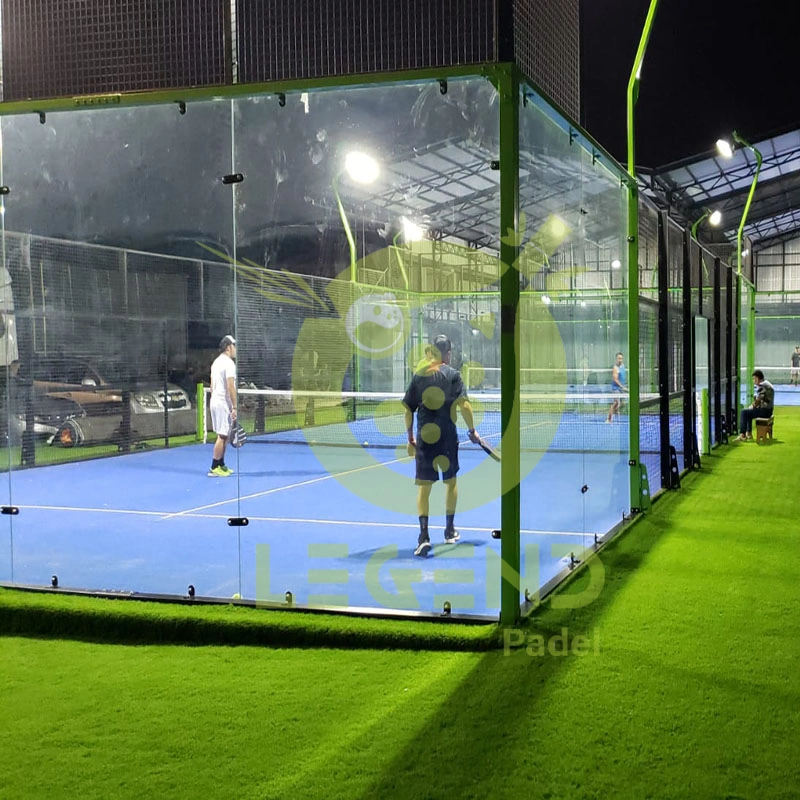

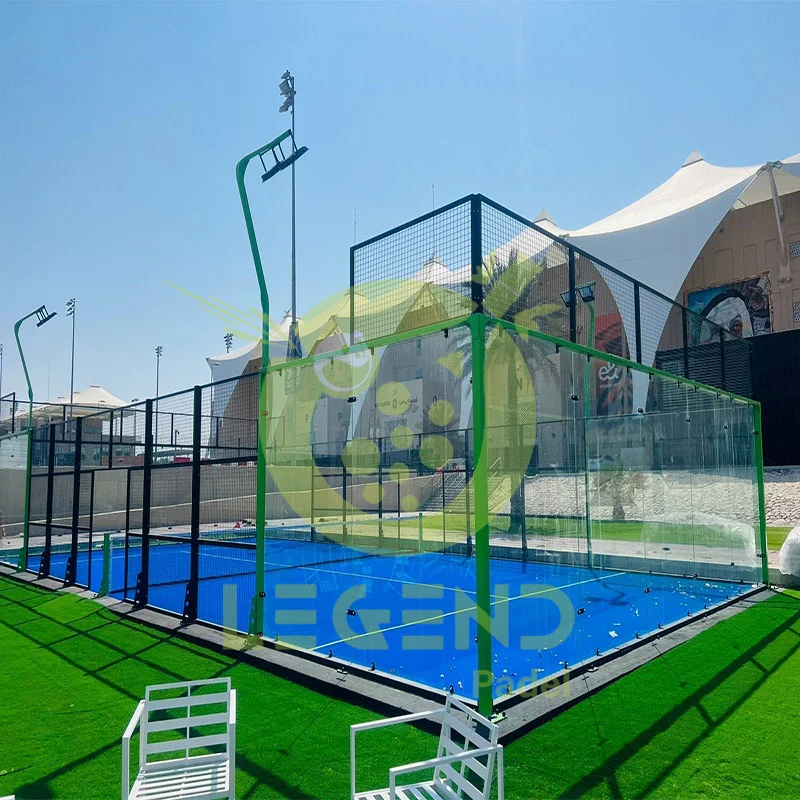
A useful Padel Court Buying Guide should turn a broad purchase into verifiable decisions. Buyers need to connect the business model and site conditions with materials, documentation, freight, installation, and after-sales support. That is especially important for a Customized Padel Court, where a low initial quotation may exclude essential work.
What Should a Padel Court Buying Guide Help You Decide First?
What type of padel project are you buying for?
Start with the operating model. A club may value sightlines and repeat play, while a hotel may emphasise appearance and guest access. Schools, community facilities, private sites, and competition venues have different supervision and maintenance needs. Review a supplier’s padel court product range after defining users, utilisation, space, and commercial goals.
Is the court intended for indoor, outdoor or temporary use?
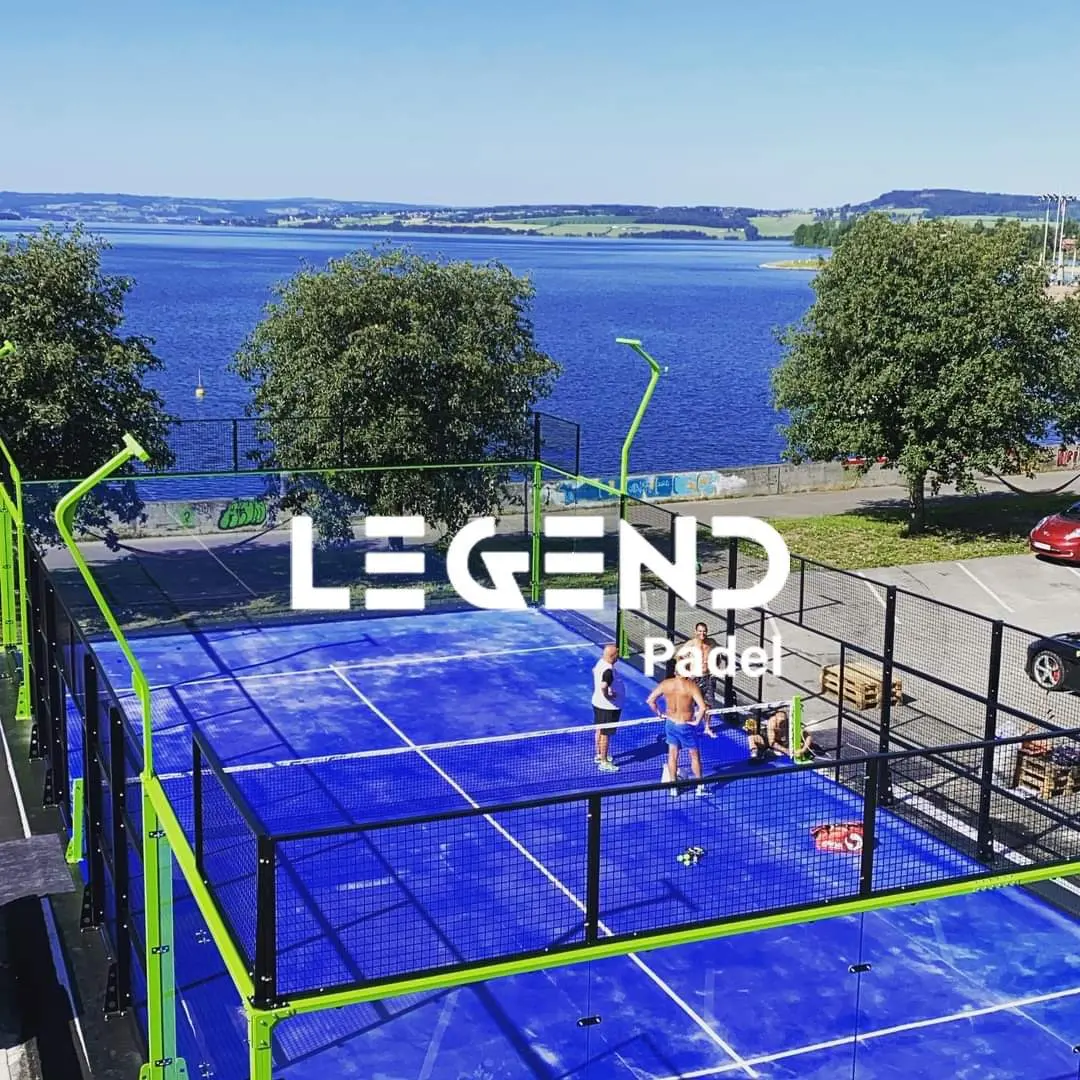
The project-planning scope covers site-condition analysis for indoor, outdoor, rooftop and renovation projects. Outdoors, corrosion protection, wind, drainage, and weatherproof electrical work matter. Indoors, clear height, access, glare, and ventilation may dominate. Temporary sites change foundation and relocation planning. Design planning can address layout, structure, lighting, drainage, foundations, spectator areas and traffic flow.
Should buyers prioritize purchase price or lifecycle value?
Compare the installed court rather than the factory price alone. Lifecycle value includes foundations, installation time, maintenance access, replacement turf or glass, spare parts, energy, and downtime. Ask about inspection and replacement under the expected playing load. A clear scope makes competing offers comparable.
How Do You Compare Padel Court Materials for Long-Term Value?
What should buyers check in a padel court steel structure?
Request steel grade, sections, wall thicknesses, drawings, welding method, and corrosion protection. The manufacturing scope lists hot-dip galvanized steel structure production. It also describes CNC cutting and bending, robotic and manual precision welding, surface cleaning, powder application, and curing. Verify which steps apply to the quotation and local conditions.

What glass should be used for a padel court?
Tempered safety glass is part of the listed manufacturing scope, and the material list names 12 mm tempered glass. Ask for the applicable standard, test record, edge finishing, hole tolerances, hardware, packing, and installation sequence. Thickness alone does not establish compliance; local engineering requirements should determine acceptance.
How should artificial turf be compared?
Compare fibre type, pile height, density, backing, drainage, infill, colour, and playing response. Supplier materials include artificial-turf configuration plus turf type and pile-height selection. Request a named specification and sample, then confirm how sand, maintenance, climate, and usage affect the system.
What should buyers ask about padel court lighting?
Ask for light level, uniformity, glare control, fixture power, aiming, switching, cables, and maintenance access. LED-lighting configuration is within the documented design scope, but recreational and competition projects may differ. Itemise fixtures, brackets, drivers, controls, and electrical work.
Which Padel Court Certifications and Documents Should Buyers Request?
Which structural documents matter when buying a padel court?
Request fabrication records, engineering drawings, material specifications, welding information, coating details, and conformity records. The material list uses the wording “CE EN1090 steel-structure certification,” but buyers should ask for the applicable certificate, scope, issuer, and product coverage. A local engineer must verify loads, foundations, permits, and destination requirements.
What safety information should be provided for glass and other components?
For glass, request the safety standard, thickness, processing specification, test evidence, hardware, handling instructions, and replacement procedure. For mesh, fasteners, lighting, and turf, request component specifications and installation limits. Labels must match the supplied component and project scope.
Which project documents are needed before installation?
An installation package should contain the approved layout, foundation information, assembly drawings, packing list, labels, manual, electrical requirements, and tool list. Commercial paperwork may include invoices, bills of lading, certificates of origin when required, and customs declarations. Confirm revision numbers before construction.
How Do You Choose the Right Padel Court Type for the Site?
When should buyers choose a classic or panoramic padel court?
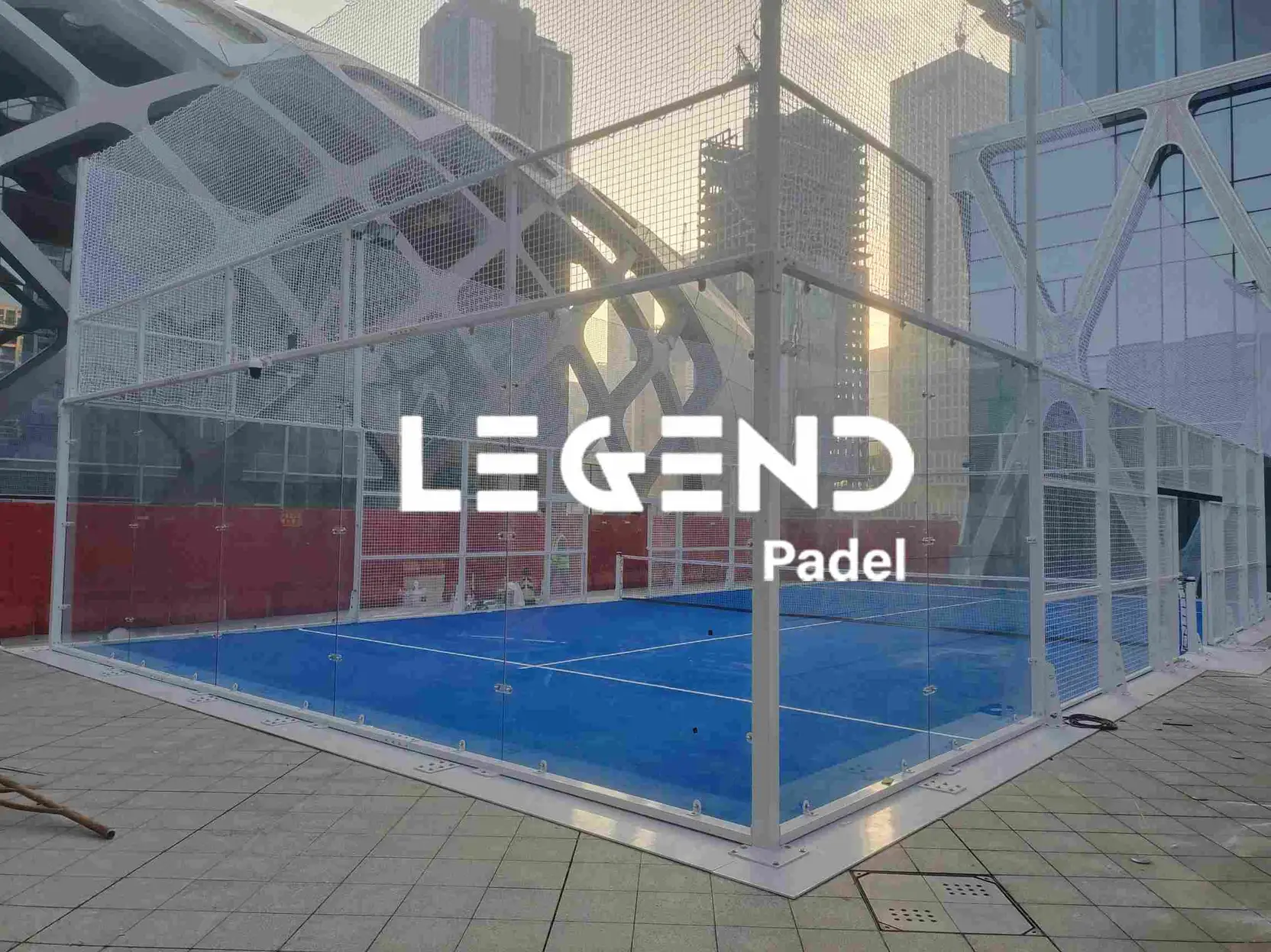
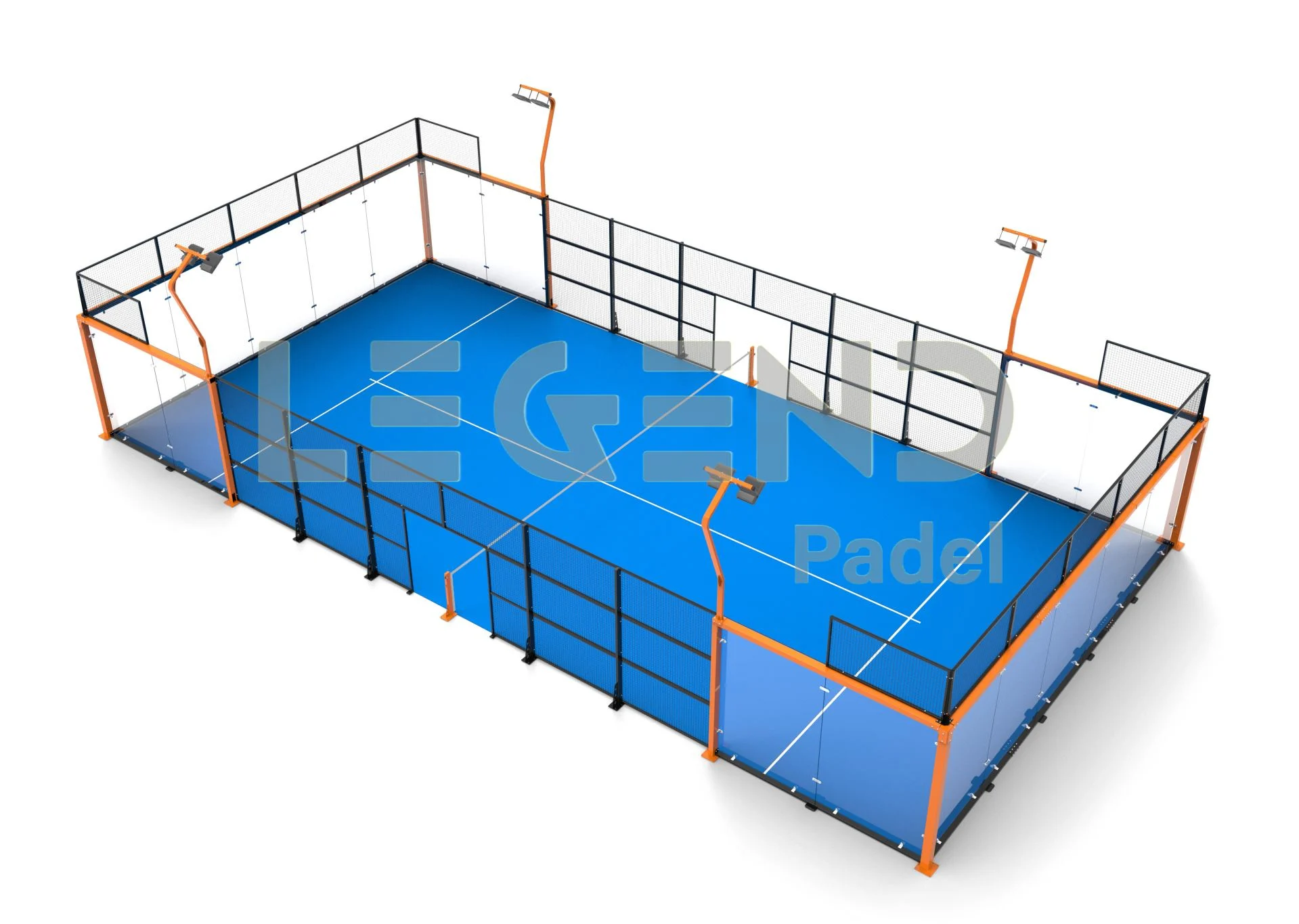
Classic courts offer a familiar framed structure and budget position. Panoramic designs reduce visual obstruction for viewing and photography, but structure and glass detailing require project-specific verification. The フルパノラマパデルコート-PD10 is a current example for starting a specification discussion.
When is a mobile padel court a practical option?
A mobile court can suit leased land, seasonal use, relocation, or sites where protecting an existing floor matters. Buyers must still verify support distribution, level tolerance, drainage, anchoring, access, and approval. “Mobile” remains an engineered project condition.

When does a single padel court make sense?
A narrower two-player court can serve coaching, compact sites, youth programming, or alternative club formats. Check rules, audience, clearances, and revenue model. The compact 子供パデルコート-PD12 shows why product identity and dimensions must match the actual programme.
When should a project consider smart or tournament-oriented features?
Scoring, replay, streaming, event graphics, and central-court presentation can support tournaments, but are not essential everywhere. Define the operator, power, network, and replacement support. Price technology as separate, testable options.
What Should Be Included in a Complete Padel Court Quotation?
Which court components should be itemized?
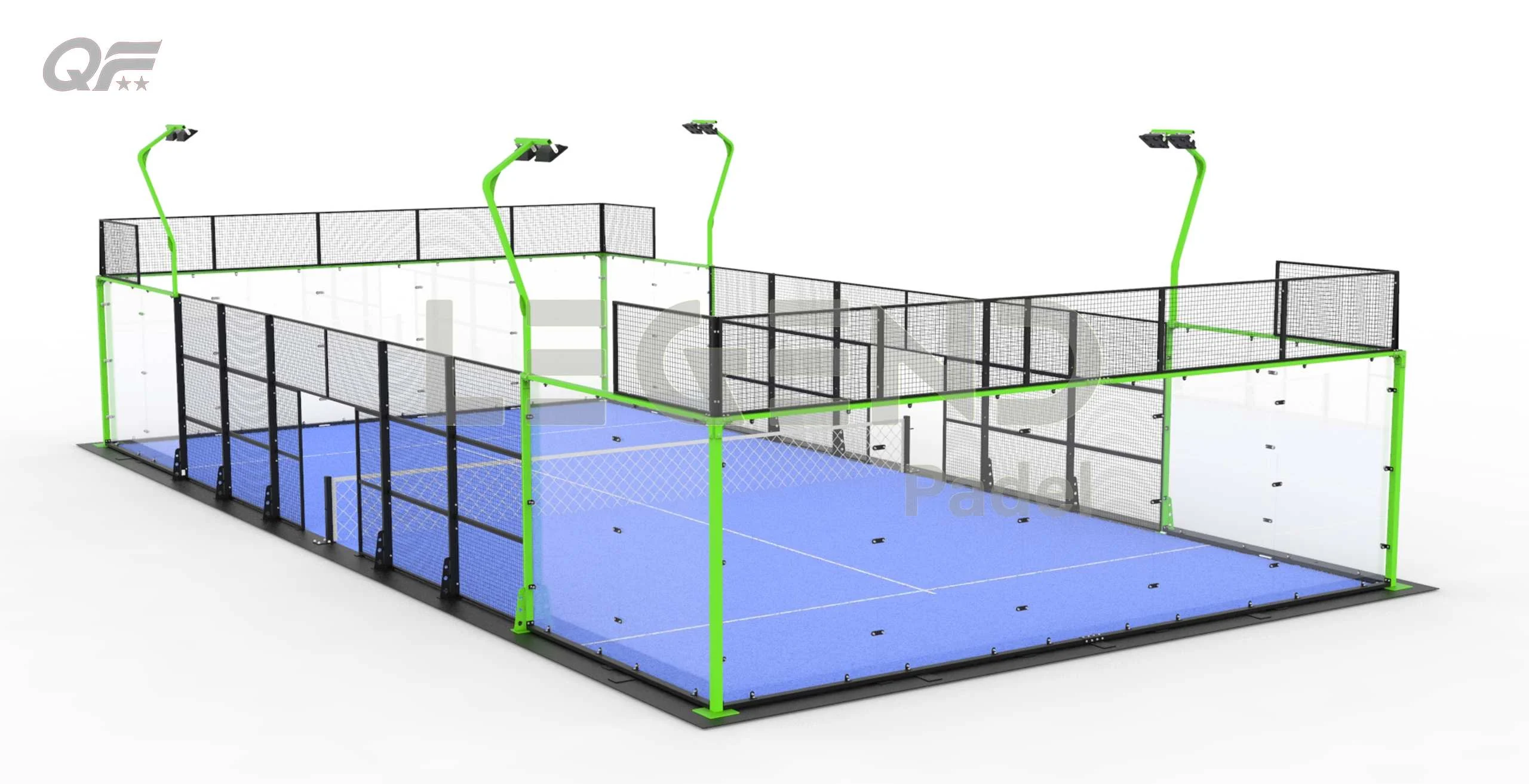
Itemise steel, mesh, tempered safety glass, turf, lighting, fasteners, doors, nets, electrical components, tools, and accessories. Custom options can include colours, branding, glass printing, lighting, size, and appearance. Each needs a drawing, specification, quantity, finish, and approval responsibility.
Are freight, packaging and import costs included?
Separate manufacturing price from export packaging, container loading, FCL or LCL freight, port delivery, customs clearance, duties, inland transport, storage, and unloading. The listed global-delivery scope includes full-container and less-than-container shipping, export packaging and reinforcement, container-loading optimisation, and global port delivery service. Inclusion still depends on the agreed Incoterm and quotation.
What installation and technical support is included?
Define whether support means on-site labour, supervision, remote guidance, or documents only. For LEGEND SPORTS, our listed support includes detailed installation drawings, step-by-step manuals, installation-video guidance, and remote engineer technical support. Optional local installation-team coordination is conditional. The buyer should also allocate foundations, lifting equipment, power, permits, accommodation, and local labour where required.
How Can You Compare Padel Court Suppliers Beyond Price?
How can buyers evaluate manufacturing capability?
Look for controlled cutting, bending, welding, surface preparation, coating, curing, and final inspection processes. LEGEND SPORTS documentation describes CNC fabrication, combined robotic and manual welding, pre-coating cleaning, powder coating, and curing. During a factory review, ask for material traceability, inspection records, sample tolerances, production capacity, packaging methods, and the quality plan for the specific order.
Why do export and installation experience matter?
Export experience can improve packing, labelling, documents, container planning, and issue communication. Installation experience helps identify missing drawings, access limits, foundation conflicts, or unclear responsibilities before shipment. Compare deliverables, contacts, response process, and relevant examples.
What after-sales support should a padel court supplier provide?
Ask who handles installation questions, defect reports, stocked parts, and warranty exclusions. The documented after-sales scope includes spare-parts supply, turf and glass replacement support, maintenance guidance, upgrade planning, and technical consultation. Put channels, lead times, costs, and responsibilities into the contract.
FAQについて
Q: How much does it cost to buy a padel court?
A: There is no reliable universal price. Court type, steel and glass specification, turf, lighting, customisation, freight, duties, foundations, installation, and local work all change the total. Compare itemised quotations on the same delivery scope and Incoterm.
Q: What should a padel court buying guide include?
A: It should cover project type, site conditions, materials, certifications, documents, court design, quotation boundaries, supplier capability, installation responsibilities, and after-sales support. It should also separate verified specifications from marketing language.
Q: What is the best material when buying a padel court?
A: No single material is best for every site. Select steel protection, glass, turf, fasteners, coating, and lighting for the climate, usage, maintenance plan, local rules, and desired playing experience. Require traceable specifications for each component.
Q: Which certifications should be checked when buying a padel court?
A: Ask for the standards and conformity records applicable to the steel structure, safety glass, electrical components, and destination project. Verify certificate holder, scope, issuer, dates, product coverage, and local acceptance rather than relying on a logo.
Q: Does buying a padel court include installation?
A: Not automatically. A quotation may include drawings and remote guidance, optional supervision, or a local installation team, while foundations, lifting, electrical work, permits, travel, and labour remain with the buyer. Define every responsibility before ordering.