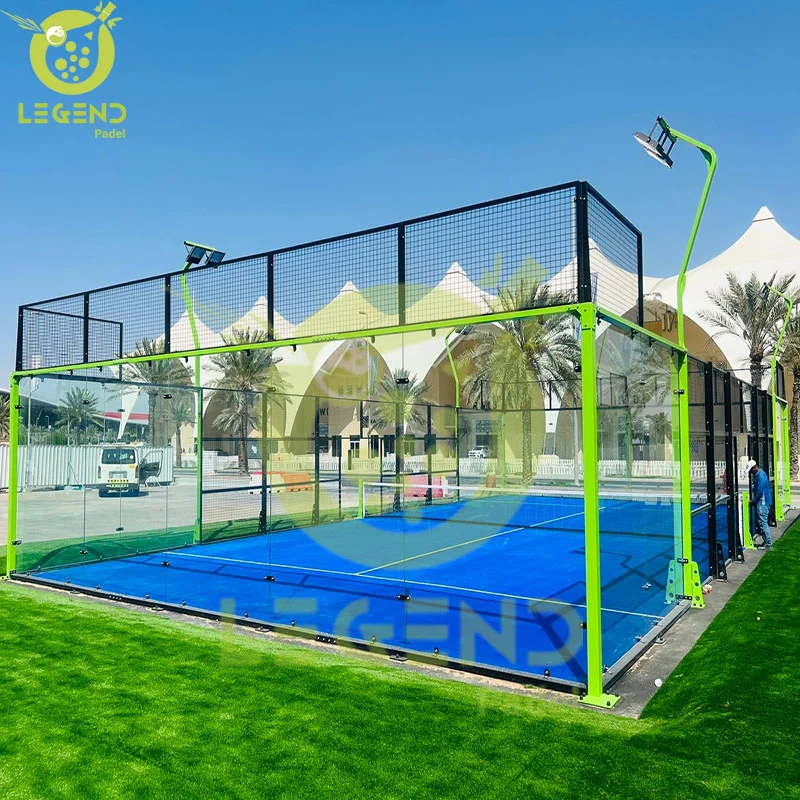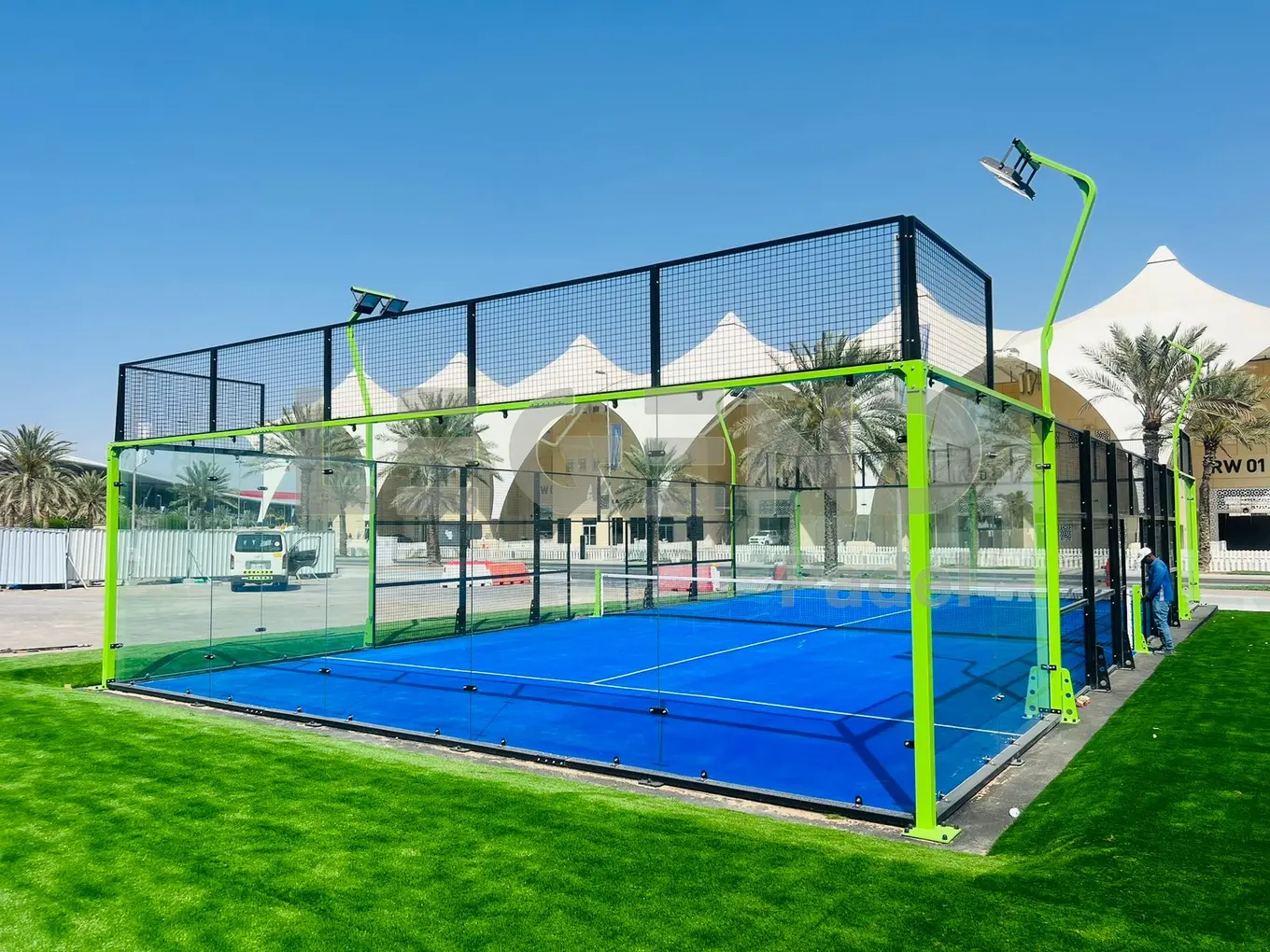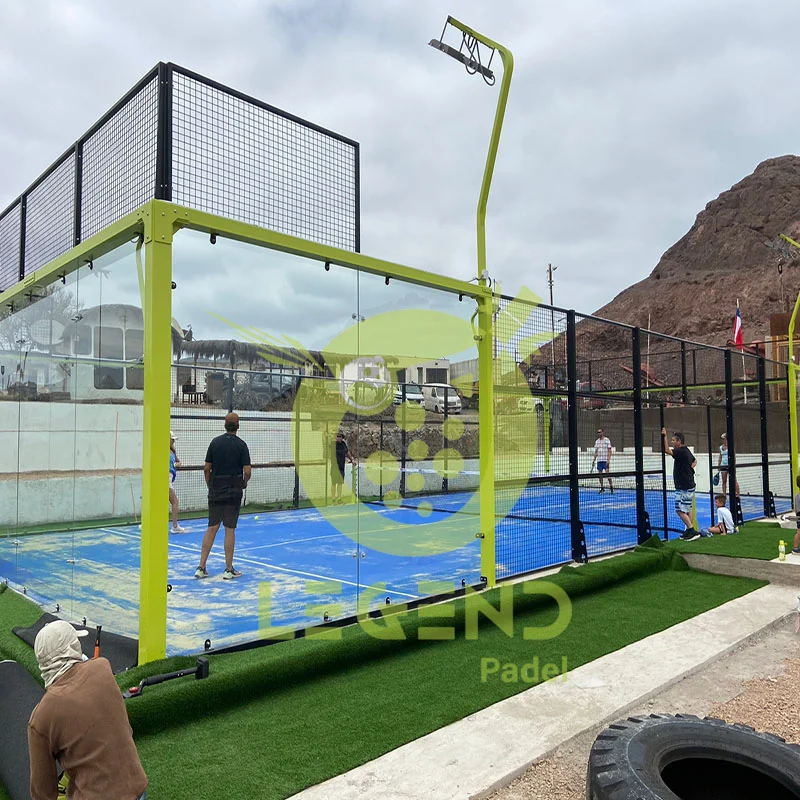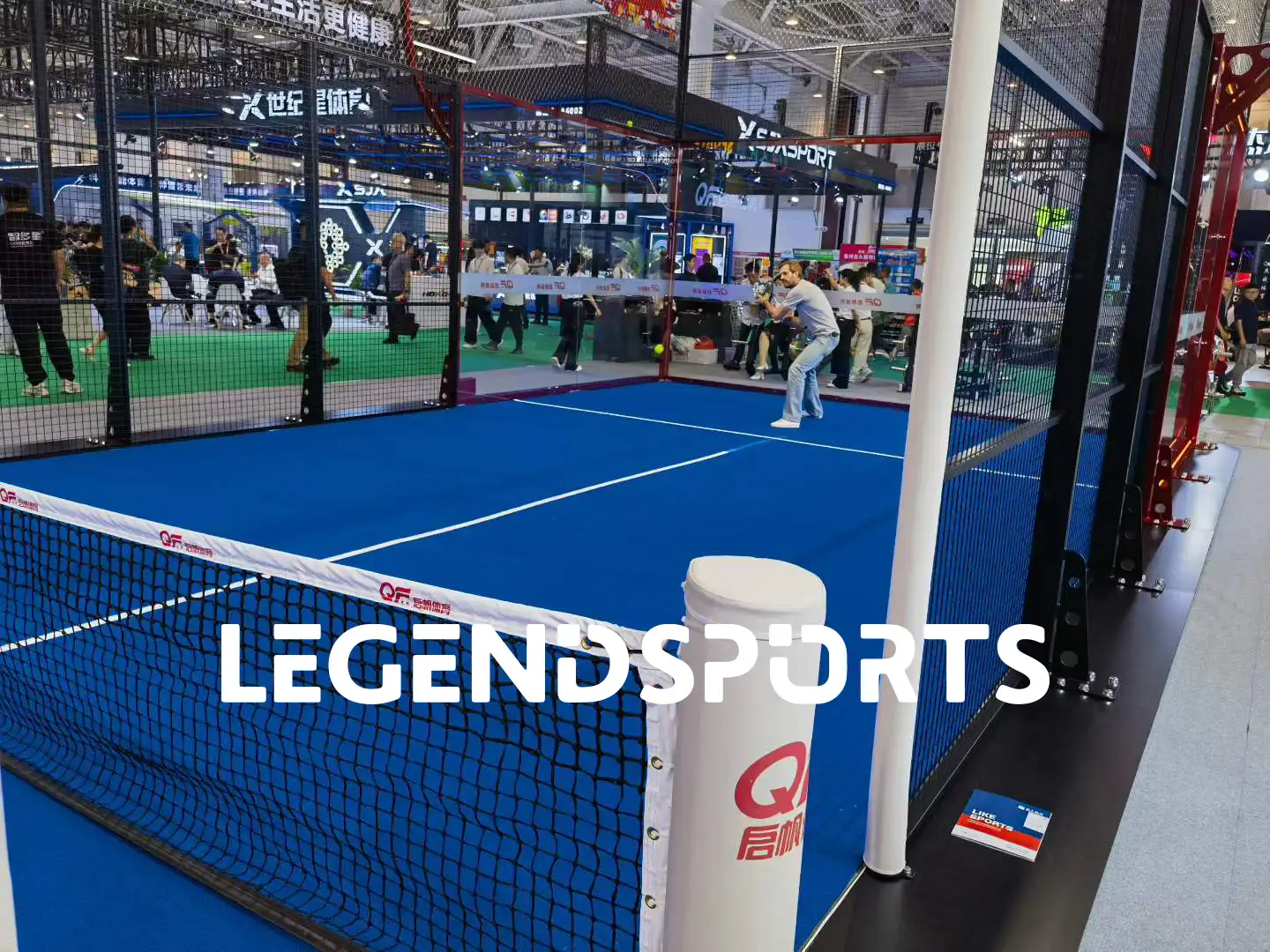



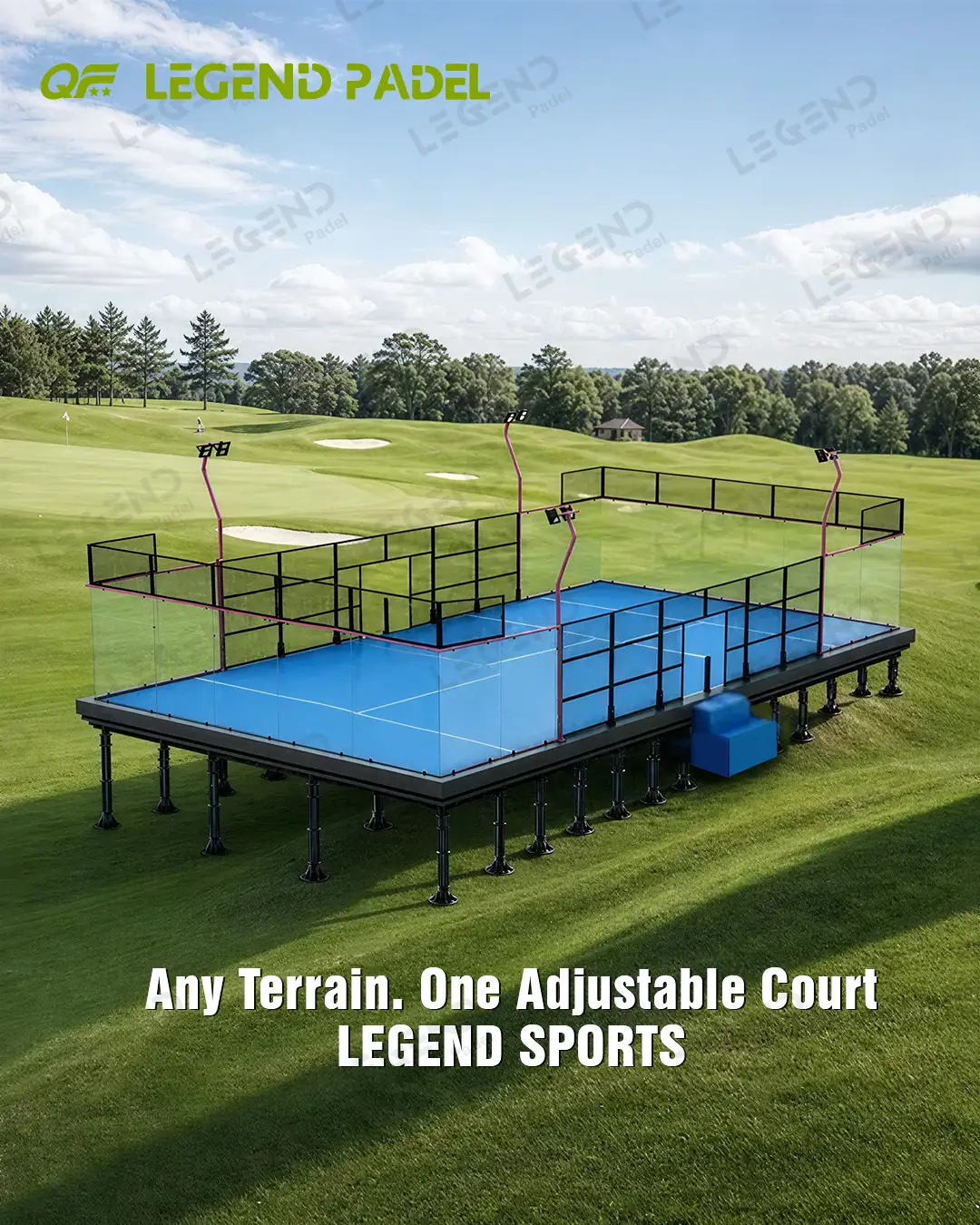
Uneven ground can change the installation approach before the padel court even arrives. When a site has elevation variations, a padel court modular foundation helps create a level court platform through a more controlled adjustment process, reducing reliance on extensive one-time ground preparation.
Why Is Uneven Ground a Challenge for Padel Court Installation?
How Ground Level Differences Affect Court Alignment
Ground level differences affect court alignment first. If one side of the site sits higher than the other, the base line, enclosure height, and final playing plane all become harder to control. That creates more risk of uneven finishes and more coordination between civil work and court installation.
Why Extensive Site Preparation Can Increase Project Complexity
Extensive site preparation can also increase project complexity. On commercial or outdoor projects, buyers may need more grading, more local construction work, and a longer handoff between the civil contractor and the court supplier. For buyers who want to compare broader court-system options as well, our Padel Court product range is a useful reference point.
What Is a Padel Court Modular Foundation?
How an Adjustable Foundation Creates a Level Court Platform
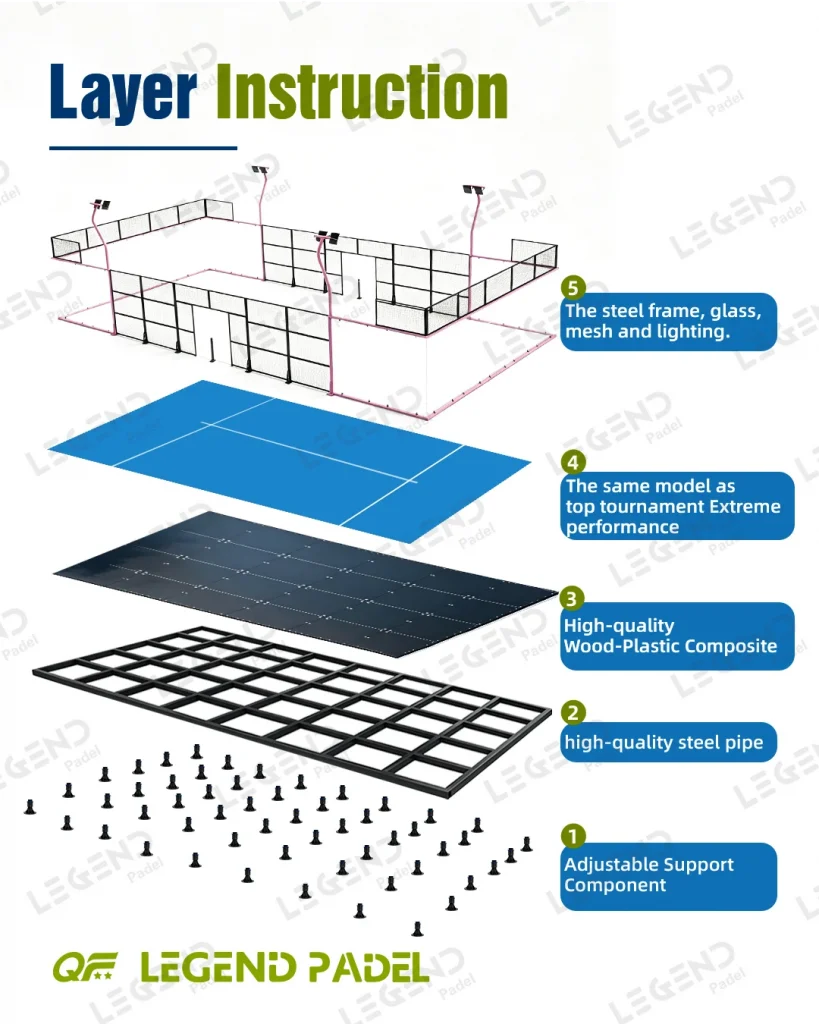
A padel court modular foundation is a structured base system that uses standardized modules and adjustable supports to create a level and stable court platform. In this configuration, the foundation consists of 30 modular steel frames, 304 stainless steel fasteners, and a 140 x 20 mm solid plastic board surface.
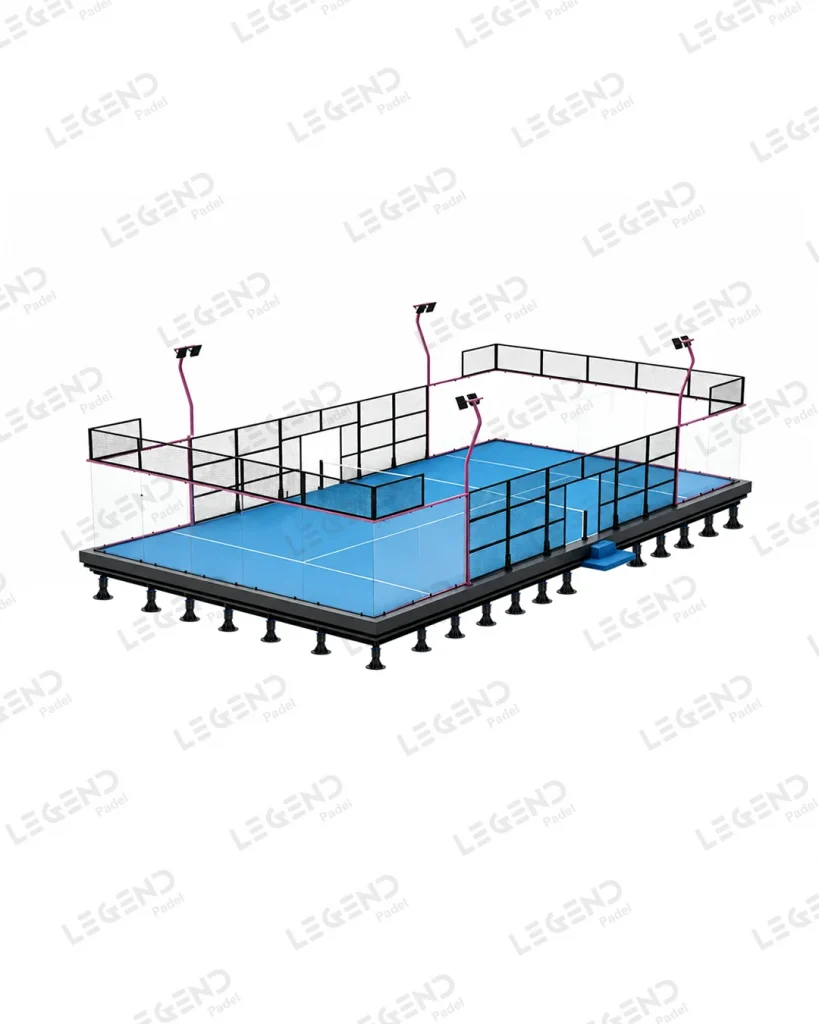
LEGEND SPORTS provides a padel court modular foundation solution designed for uneven and sloped terrain. The system features 150–800 mm adjustable support feet, a modular steel foundation structure, and a solid plastic board surface to meet project-specific installation requirements.
How Modular Assembly Differs From Conventional Site Preparation
The adjustable height range is essential because installation sites are rarely perfectly level. With 150–800 mm adjustable support feet, the foundation can adapt to ground elevation variations and provide a stable base before court installation begins.
This is the key difference from traditional site preparation methods: the modular system focuses on flexible assembly and precise leveling, reducing dependence on extensive ground modification while creating a reliable foundation for padel court construction.
When Does a Padel Court Modular Foundation Make More Sense?
Sloped and Uneven Outdoor Sites
This solution makes the most sense on sloped and uneven outdoor sites. When a site already has a visible height difference, the buyer can evaluate whether a modular padel court foundation is more practical than starting with heavier civil work.
Existing Commercial and Sports Spaces
It also fits existing commercial and sports spaces where the ground plan is already fixed. Hotels, resorts, sports clubs, and commercial developments often want a court placed into an active site without turning the whole area into a long civil project. The approved product scope also lists uneven outdoor sites, sloped areas, existing spaces with elevation differences, and flexible sports projects.
Hotels, Resorts, and Flexible Sports Projects
Hotels, resorts, and flexible sports projects usually value speed of coordination and predictable site planning. A modular foundation gives those projects a practical way to keep the court decision tied to the actual site instead of forcing the site to behave like a brand-new slab.
What Should Buyers Compare Before Choosing a Modular Foundation?
Adjustment Capacity and Site Elevation Differences
Adjustment capacity should be the first factor buyers evaluate. If a foundation cannot accommodate the actual elevation differences of the site, achieving a properly level court platform can still be challenging. The 150–800 mm adjustable support-foot range provides a clear reference point for project planning and installation requirements.
Structural Stability and Court Compatibility
Structural stability and court compatibility are equally important considerations. The modular steel framework is built with defined tube specifications, while the system is designed as a standard solution for the QF-BQ04 Padel Court and can be customized for other court models. This provides a reliable foundation structure while maintaining compatibility with different court sizes and project requirements.
Transportation, Assembly, and Future Project Flexibility
Transportation, assembly efficiency, and future adaptability should also be considered. Compared with a fully site-built foundation, the 30 modular frames are easier to plan, transport, and install. For projects requiring flexible layouts or phased expansion, the modular design approach can be just as valuable as the available leveling range.
How Does a Modular Foundation Change the Padel Court Installation Process?
Site Assessment and Foundation Planning
The process starts with site assessment and foundation planning. Project details, site condition, court quantity, and intended model should be confirmed before the foundation design is locked in.
Module Positioning, Adjustment, and Leveling
Then the modules are positioned, adjusted, and leveled. Because each support foot can be set within its range, the team can work through elevation differences step by step rather than treating the site as a single flat slab. Once the base is level, court installation and final alignment become more predictable.
Court Installation and Final Alignment
The approved installation workflow is simple: share project details, evaluate the site and foundation requirements, develop a customized foundation design, manufacture and quality-control the foundation components, then deliver the modular components and provide installation support.
For a process view of how site readiness affects delivery and assembly, our Step-by-Step Process for Constructing a Padel Tennis Single Court article is a useful companion.
Is a Modular Padel Court Foundation Suitable for Projects in Germany?
Evaluating Existing Sites Before Major Ground Preparation
For Germany, the key question is not only whether the court fits, but whether the site should be prepared in a more efficient way. Existing sites often deserve a close look before major ground preparation begins, especially when elevation differences or access constraints already exist.
Matching the Foundation Solution to Local Project Conditions
The right decision is usually a project-condition decision. If the site needs a level playing platform but does not justify heavy civil work, a modular foundation can be a practical way to match the foundation solution to local conditions. That is why Germany is a useful market lens for this topic: the buyer is comparing site complexity, installation logic, and project flexibility at the same time.
For broader Germany-specific planning context, see our How to Build the Perfect Padel Court in Germany guide.
FAQ
Q: What is a Padel Court Modular Foundation?
A: It is a modular steel foundation system that helps create a level padel court platform on uneven or sloped ground.
Q: Can a Padel Court Modular Foundation be installed on uneven ground?
A: Yes. The product is designed for uneven ground and uses 150-800 mm adjustable support feet to compensate for elevation differences.
Q: How does a Padel Court Modular Foundation level a sloped site?
A: It levels the site by adjusting the individual support feet until the modular foundation forms a level court platform.
Q: Is a Padel Court Modular Foundation suitable for outdoor projects?
A: Yes. The approved application scenarios include uneven outdoor sites, sloped areas, and flexible sports projects.
Q: How do I choose a Padel Court Modular Foundation for an existing site?
A: Compare the actual elevation difference, the structural match with the court model, the assembly and transportation plan, and the flexibility you may need later.