

The worldwide sports scene is changing quickly. Racket sports are leading this shift. People like investors, club managers, and fans always seek fresh ways to earn good money. Creating a solid padel court goes beyond just offering a play area. It now means giving players a full, top-notch experience. As we approach 2026, grasping key market shifts and tech progress is vital for any indoor or outdoor setup.
How is the Global Padel Court Market Evolving Toward 2026?
The Surge in Global Participation and Olympic Ambitions
This game has moved past its start as a simple hobby. It has become a serious worldwide event. Fresh global studies show millions of regular players around the world. The main aim of the International Padel Federation is to get the sport into the 2032 Brisbane Olympics. This move to full professionalism calls for stricter rules in the court building. Projects must focus on firm safety, exact ball bounce, and ease for players.

Identifying High-Growth Regions: Beyond Europe and South America
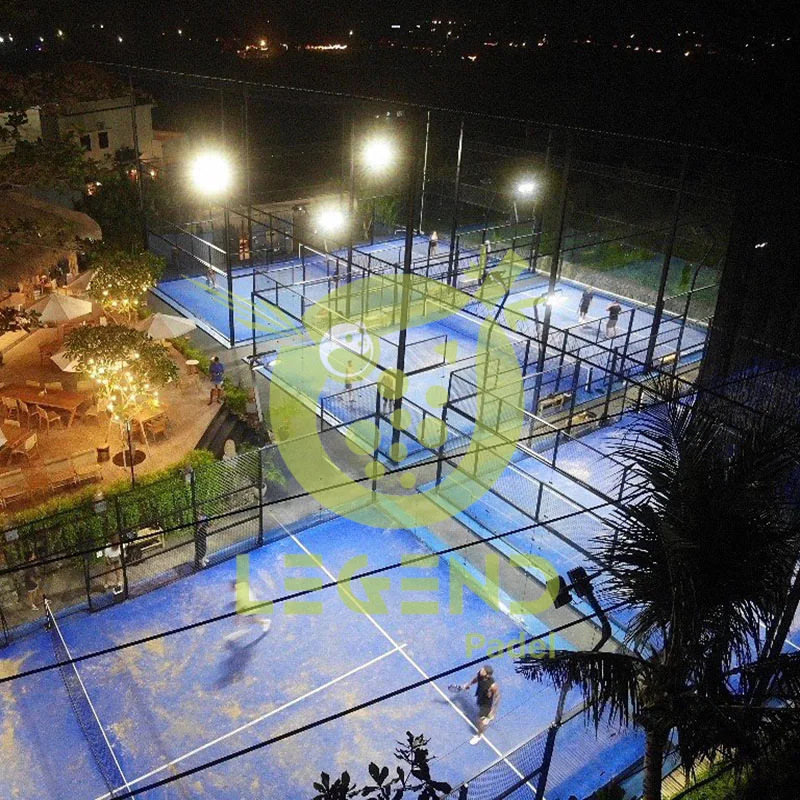
While Spain and Argentina have historically dominated the market, the real investment opportunities for 2026 lie in emerging territories. Regions across the Asia-Pacific and the Middle East are experiencing explosive growth. Singapore, for instance, has positioned itself as a high-end global laboratory for premium club experiences, while nations like Indonesia are accelerating their professionalization. Investors in these high-growth regions require sophisticated structural solutions that can withstand varying climates while delivering an elite aesthetic appeal.
What Are the Top Innovation Trends in Indoor Padel Court Construction?
Transforming Urban Spaces: The Warehouse and Industrial Conversion Boom
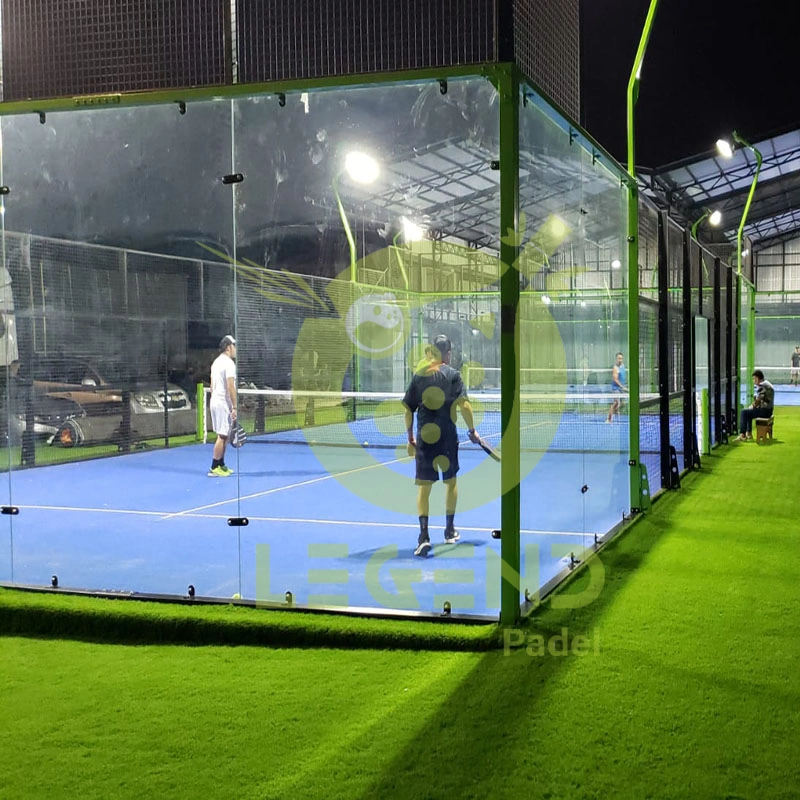
Big cities often lack open land. This makes space a big issue. A key pattern for 2026 is turning old warehouses and factory sites into indoor centers with several courts. For such tricky space shifts, the Classic Padel Court PD01B works best. Its flexible setup fits easily into current buildings. It boosts court numbers without cutting safety or strength in busy spots.
Climate-Controlled Environments for Year-Round Revenue Optimization
Bad weather poses a real threat to club owners. An indoor padel court building lets investors secure income all year. These spots stay safe from rain, harsh heat, or strong winds. New indoor sites include special lights and air systems. For these protected areas, owners pick frames that fight indoor dampness. Hot-dip galvanized steel frames keep things in top shape. This way, managers can aim for full bookings instead of fixing worn parts.
Why is Digitalization the Next Frontier for Padel Court Operators?
Smart Infrastructure: From Automated Access to AI-Powered Scoring
Modern players expect a seamless, tech-enabled experience from the moment they book their match. In 2026, facilities are integrating digital ecosystems that control lighting, court access, and even climate settings via smartphone apps. Furthermore, the integration of AI-powered scoring and instant replay cameras is becoming standard. These smart integrations not only elevate the player experience but also significantly reduce the overhead costs associated with manual club management.
Enhancing the Spectator Experience for Global Broadcasting
Big channels like BeIN Sports now hold rights for world tours. So, a court’s look matters a lot for views. The 2026 season brings fresh scoring to draw in fans. This needs clear sightlines for crowds and cameras. The Extreme Super Panoramic Padel Court-PD06 fits this perfectly. It has no pillars at the back or sides for full open views. Walls are usually made of tempered glass. When added to the simple frame, it catches every fast play for broadcasts worldwide.
Designing the Future Padel Court: Aesthetic and Structural Excellence
The Dominance of Panoramic Glass Structures for Unmatched Visibility
Top clubs have set a new style rule. It avoids thick, blocking frames for good. Both players and watchers seek an open, light feeling. In current builds, walls are usually made of tempered glass. This comes in 10mm or 12mm thickness. It keeps players safe and gives the right ball bounce. Paired with strong, rust-proof mesh, the court turns into a bold focal point. It lifts the whole upscale vibe of the sports site.
Tailored Branding: High-Performance Turf and Bespoke Color Palettes
In a tough market, clubs need a clear image to shine. Standard designs no longer work. The Premium Panoramic Padel Court-PD05 gives owners many choices. All parts can match the brand’s style fully. Owners pick turf shades like bold blue or bright red. They also add special coatings to the metal parts. This creates a one-of-a-kind sports spot. It fits the crowd and encourages shares on social media.
Maximizing ROI: Strategic Considerations for New Padel Club Projects
Selecting Durable Materials to Minimize Long-Term Maintenance Costs
Making money depends on less downtime and lower upkeep bills. Good building uses strong rust-proof and weather-proof steps. These include zinc primers and fine coatings. The key is making sure the metal and thick tempered glass handle daily hard hits. By choosing top materials at the start, owners lengthen the building’s life. This brings steady income and better gains overall.

Multi-Functional Facility Planning for Diverse Revenue Streams
Top projects in 2026 avoid depending only on court fees. Smart backers plan full social areas. They add viewing spots, eateries, and shops near the courts. This setup keeps players longer. It also gets them to spend more. Such full planning turns a basic sports place into a fine lifestyle hub.
Partnering with LEGEND SPORTS for Your 2026 Global Project
17 Years of Engineering Excellence and Global Export Expertise
Handling global sports builds takes a trusted maker. LEGEND SPORTS offers 17 years of focused research and building skills. A group of more than 30 top engineers supports it. The firm has sent high-quality builds to over 60 nations on six continents. It earns praise for top safety and fresh ideas in structure.
Comprehensive One-Stop Solutions for International Investors
From the first 3D plans to the last shipping, LEGEND SPORTS gives a smooth full service. Each market has its own needs, and the plant meets them with custom work. If you want one fancy open court for a resort or a large set for a factory change, the skilled group makes your idea a reality. They do it fast and with good returns.
FAQ
Q: What factors should be considered when building an indoor padel court?
A: For an indoor plan, focus on best space use, enough roof height for high shots, and non-glare LED lights. Plus, picking a tough option like the Classic Pillar Padel Court-PD01 keeps the build steady and nice-looking in a protected setting.
Q: What materials are used for the walls of a padel court?
A: Walls are usually made of tempered glass, typically 10mm or 12mm thick. This gives ideal ball bounce and full safety. It joins with sturdy, rust-proof steel mesh for a safe and clear play area.
Q: Can the colors and branding of a padel court be customized?
A: Absolutely. Backers can ask for full custom work to fit their brand. This covers picking turf colors and adding coated finishes to the steel parts. It helps the site stand out locally.
Q: Does an outdoor padel court require a lot of maintenance?
A: Upkeep stays low with good materials. You just clean the glass often. Then, even out the sand on the fake grass. From time to time, check the lights and steel parts for the best work.
Q: Are panoramic padel courts safe for high-intensity professional tournaments?
A: Yes. Options like the Extreme Super Panoramic Padel Court-PD06 are built for pro-level action. Even without back pillars for clear views, the smart design of tempered glass and strong base frames meets the toughest global safety and play rules.